$5,300 Savings: Victoria Mandates Remote Work Rights to Cut Urban Congestion
TL;DR
- $5,300 Worker Savings: Victoria Mandates 2-Day WFH Right Amid Business Backlash. Will Victoria's new 2-day mandated work-from-home law improve worker wellbeing or disrupt business operations?
- African Youth Talent: Belgium's Fast-Track Laws Accelerate European Recruitment. How do fast-track regulatory frameworks impact the long-term career stability of young professionals moving between continents?
💰 The Two-Day Limit: Victoria's New Remote Work-From-Home Mandate
$5,300 annual savings per worker is a massive windfall 💰 roughly the cost of a luxury vacation. Victoria mandates 2 days WFH to cut urban congestion. But is rigid legislation worse than flexible company culture? Victorian employees — will this cap limit your freedom or protect your rights?
Victoria's Parliament has advanced amended Working From Home (WFH) laws through an Equal Opportunity Act amendment, legislating the right for workers to work remotely two days per week. This shift establishes a standardized framework for labor flexibility while aiming to reduce urban congestion and stabilize municipal spaces.
How does the transition operate?
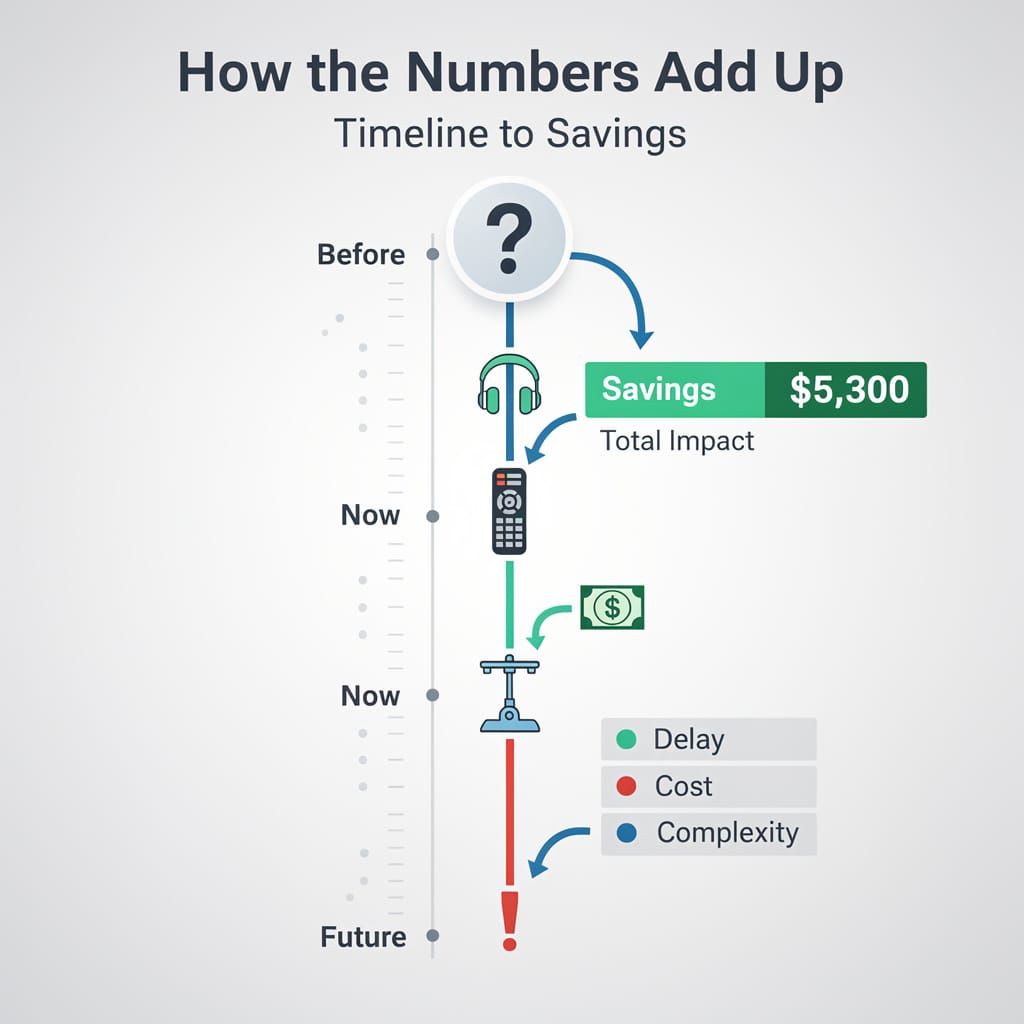
While the laws were initially set for a September 1, 2026, start date, the government has pushed full implementation to March 2027. This window enables businesses to restructure internal operations and HR systems. Premier Jacinta Allan indicates that this structured flexibility results in annual cost savings of approximately $5,300 per worker, primarily through reduced commuting expenses and lower fuel and grocery costs for families.
Compliance requirements vary by organization size. General workplaces face the March 2027 deadline, whereas businesses with fewer than 15 employees have until July 1, 2027, to implement the new rules. This staggered rollout allows smaller entities to manage the transition without immediate operational shocks.
Implementation Timeline
- July 12, 2026: Parliament advances amended WFH laws; Employment Commission releases ten-point plan.
- September 1, 2026: Original effective date for general WFH rights.
- March 2027: New enforcement deadline for most businesses.
- July 1, 2027: Compliance deadline for workplaces with fewer than 15 employees.
What are the primary frictions?
The Victorian Chamber of Commerce and other business sectors oppose the current timeline, demonstrating a causal chain between the "dangerous compression" of implementation windows and operational instability. These groups cite risks associated with urgent policy rewrites, mandatory risk assessments, and the need for manager retraining. This occurs as the broader labor market faces pressures, with business sectors arguing that no consensus exists for the mandate.
Operational Impact
- Compliance: Increased costs for HR software updates and policy restructuring.
- Productivity: Potential for short-term declines as teams recalibrate hybrid schedules.
- Retention: Potential turnover risk if flexible contracts are shifted to a rigid cap.
- Infrastructure: Declining office occupancy creates legacy risks for commercial real estate investment, though a global trend shows continued demand for premium, tech-integrated fit-outs.
Future Outlook
Projections indicate that these laws will remain active, signaling a permanent shift toward a regulated hybrid model. However, the government anticipates constitutional challenges by October 2026, as state law may conflict with Commonwealth precedence. For the labor market, this results in a mandated floor for flexibility, forcing a realignment of recruitment strategies and a redistribution of urban employment landscapes across southern metropolises.
⚽ The Talent Pipeline: Mapping the African-European Pivot
21 years old: a staggering leap from South Africa to Belgium 🇧🇪. This rapid pipeline bypasses typical age caps to fast-track raw talent. But does quick entry lead to immediate burnout? Emerging athletes — how do you handle sudden high-pressure pivots in your career?
The transfer of 21-year-old striker Relebohile Mofokeng from Orlando Pirates to Royal Union Saint-Gilloise on July 6, 2026, demonstrates a strategic mechanism in professional athletic recruitment. Driven by the recommendation of Coach Hugo Broos—who finalized South Africa's 26-player World Cup squad on May 24, 2026—the move aligns with a trend where European clubs target emerging African talent to fill roster gaps efficiently.
How do regulatory frameworks accelerate growth?
Belgium's fast-track entry laws remove traditional age-cap limitations, enabling players to bypass bureaucratic bottlenecks often found in other European leagues. This regulatory environment results in a shorter window between signing and debut, allowing raw talent to integrate into high-performance systems faster than local league rules permit.
However, the transition phase reveals a causal chain between environmental shifts and immediate performance dips. Mofokeng’s initial reporting indicates difficulty adapting to foreign conditions and a physical condition that lagged behind the training schedule, contributing to lower-than-projected match minutes in early outings.
Integration Timeline
- July 2026: Initial transfer and entry into the academy development program.
- Q3 2026: Recovery from illness and cultural adaptation phase.
- Late Summer 2026: Projected resumption of regular senior duties and stabilization of form.
Systemic Impacts
- Player: Immediate external pressure combined with rapid internal promotion paths.
- Southern African Clubs: Retain creative freedom and operational agility by avoiding high overhead fees.
- European Clubs: Secure low-cost talent pipelines while avoiding visa-related delays.
- Financials: Increased stadium attendance due to youth interest; however, ownership profit margins remain thin until resale values exceed initial acquisition fees.
This pathway indicates a sustainable model for skill acceleration. By utilizing Belgium as a gateway, African athletes access top-tier coaching and infrastructure. This trend is further validated by the June 7, 2026, £21.5 million transfer of Zadok Yohanna to Brighton Hove Albion, signaling a macro shift toward rapid investment in African youth and a corresponding need for expanded football academies in Nigeria to support such talent. As long as medical clearances hold and European qualifiers remain stable, this recruitment pattern projects a repeat cycle within the next eight months.



Comments ()