UK Salmonella Clusters Reach 622 Cases; Multi-Supplier Egg Imports Under Review
UK agencies say the three Salmonella clusters trace to eggs from multiple importers, not one batch. Genetic similarity suggests a shared source, but the full import chain is still open.

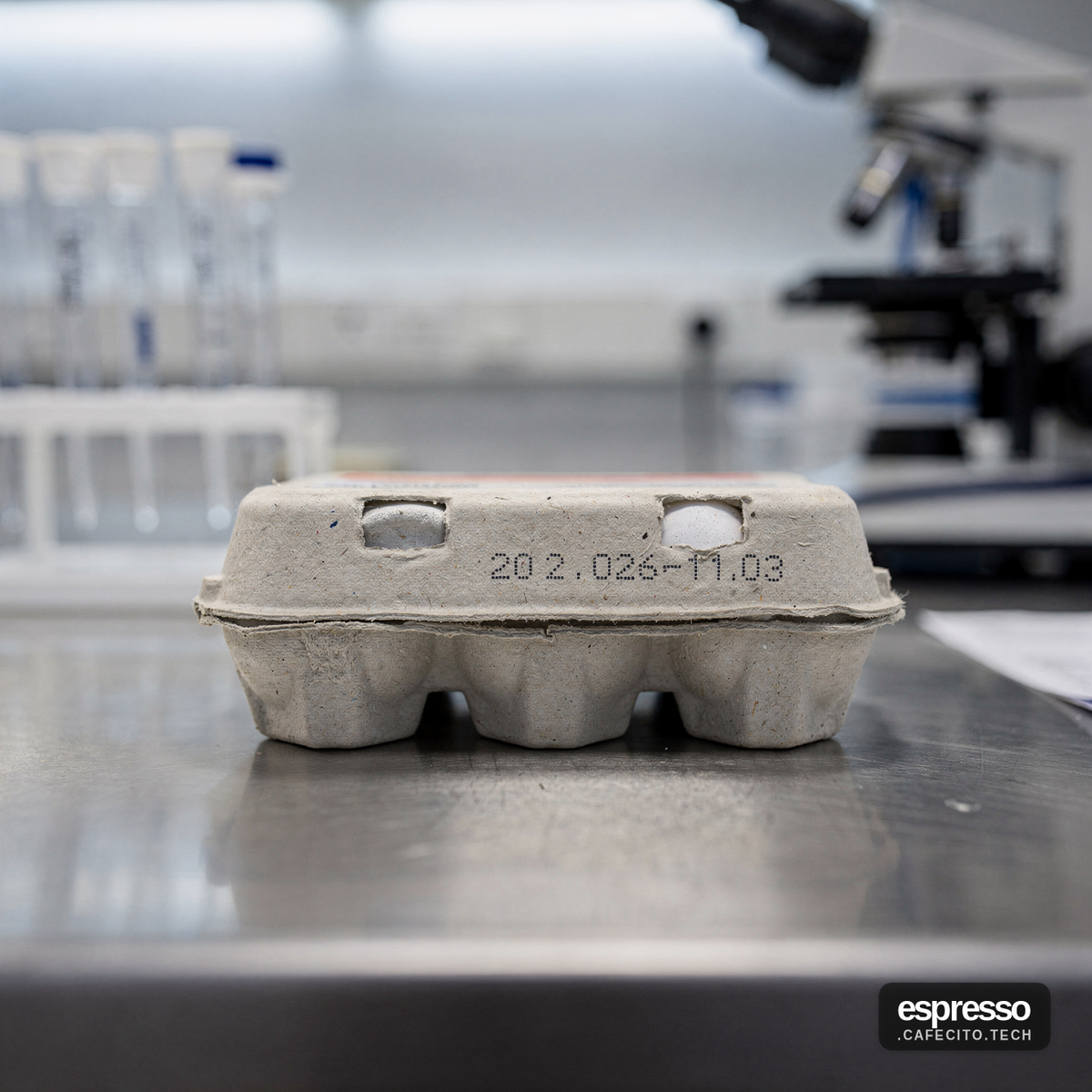
The UK Health Security Agency, Food Standards Agency, and Animal and Plant Health Agency have consolidated their Salmonella Enteritidis response into a three-cluster investigation totaling 622 confirmed cases as of 25 September 2026. Cross-border spread has been recorded in Belgium, France, Germany, the Netherlands, Austria, and Denmark. Two deaths are confirmed across the clusters, and hospitalizations total 76.
The analytical shift from a single contaminated egg batch to multiple imported sources is the key development. Earlier UKHSA reporting traced contamination to Ukrainian producer Yasensvit under Ovostar Union. The newer multi-cluster account identifies imported eggs from multiple suppliers and food preparation at restaurants, cafés, and takeaways as transmission routes. Genetic similarity across cases points to a shared source, but the supply chain is wider than the original single-batch finding indicated.
Three clusters, one shared source signal
The clusters differ in scope and duration but share the bacterial strain:
- First cluster (Aug–Sept 2026): 391 cases, 1 death, 45 hospitalizations
- Second cluster (May–Sept 2026): 189 cases in England, 24 hospitalizations
- Third cluster (Jan–Aug 2026): 42 cases, 1 death, 7 hospitalizations
Sample dates reach back to August 2025. The affected age range spans under one to 90 years, with median ages around 29–32 depending on cluster. The 76 hospital admissions (45 + 24 + 7) are the measured capacity signal; the two deaths remain the confirmed fatality count.
How the bacteria reach people
Salmonella Enteritidis typically reaches consumers through undercooked or raw products of animal origin. The current exposure pathway extends beyond household cooking: over 170 sick individuals were interviewed, and 143 reported eating food prepared outside the home before symptom onset. Investigations linked 47 cases to 11 businesses, with 24 people infected through egg-containing dishes. Two major egg importers are under investigation, and cross-contamination during food handling is a stated concern. The trigger is the contaminated egg supply; the amplifier is preparation and handling at small businesses where cross-contamination risk is higher. Genetic clustering supports a shared source but does not yet prove a single common batch across all three clusters.
Cyclospora remains a separate, unattributed signal
A parallel surveillance thread tracks 135 Cyclospora cases in England from April through September 2026, above the 87 recorded for all of 2025 and 124 for 2024. No cause has been attributed to that increase. It remains distinct from the Salmonella clusters in both pathogen and transmission pathway, but its upward trajectory relative to the two prior years is the observable benchmark.
What the response has and has not yet established
UKHSA, FSA, APHA, and European partners including RIVM and ECDC are running coordinated surveillance. Targeted sampling of the two identified importers, alongside continued national and ECDC monitoring, is the next observable test. What the consolidated evidence does not yet establish is a single common egg batch across all three clusters; the multi-supplier finding leaves the full import chain open. Until the case count from targeted sampling stabilises, the outbreak remains open.