Palestine Action Ban Faces Supreme Court Test
A ban on Palestine Action, proscribed in 2025, drove 3,630 of 3,867 UK terrorism arrests last year. The Supreme Court will rule in Q4 2026 whether the ban's ECHR flaws invalidate that enforcement.


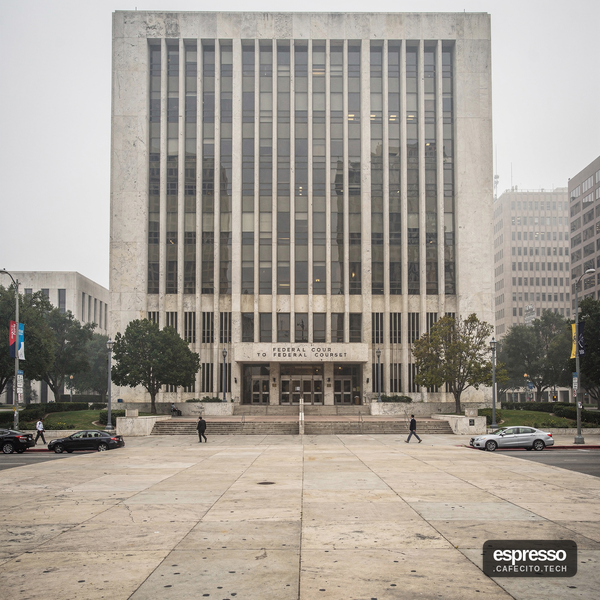
The UK Court of Appeal confirmed Palestine Action's terrorist status on 7 July 2026, upholding a proscription that has generated over 700 criminal cases. The final say now sits with the Supreme Court, with judgment expected in Q4 2026.
The number that reframes everything: 3,867 terrorism-related arrests in the year ending June 2026, a 1,553% jump from 234 the prior year. The New Office data attributes 94% of those — 3,630 arrests — to support for Palestine Action. That is not a protest movement; it is a mass legal exposure event.
The Mechanism: One Ban, Many Catchments
The proscription makes membership or support a criminal offence under the Terrorism Act, carrying a maximum 14-year sentence. The ban took full force in July 2025 after parliamentary approval under Keir Starmer's Labour government. The Court of Appeal's reasoning described the organization as "covert" and "avoiding detection," framing that broadens who enforcement can reach.
704 arrests since the ban produced a charge. 634 of those charges fell under Section 12 or Section 13 of the Terrorism Act 2000 — the supporting-association and membership provisions. The catchment extends beyond the named group: arrests included elderly and disabled people holding placards reading "I oppose genocide. I support Palestine Action." A tribunal review is underway for Professor Ghassan Abu Sittah, and the Medical Practitioners Tribunal Service is examining his professorship.
The analytical gap: two lower courts have already flagged legal flaws — the High Court found the ban unlawful and discriminatory under the European Convention on Human Rights, then the Court of Appeal reversed — yet enforcement continues on the back of the Court of Appeal's 7 July ruling. That is the mechanism at work. A ban in administrative stasis while the Supreme Court considers whether the stasis is itself lawful.
The Collateral Layer and the US Dimension
Faber, the publisher, pulled Sally Rooney's books from UK shelves on the strength of her public support for Palestine Action. A novelist's catalogue held hostage by a designation aimed at a protest organization. That is the association logic of the ban, not a separate political act.
Across the Atlantic, the US Treasury under Scott Bessent designated Palestine Action a Specially Designated Global Terrorist under Bush-era Executive Order 13224. Co-founders Richard Barnard and Huda Ammori face lifetime US entry bans. Americans are blocked from providing funds, goods, or services to the group. That is a parallel enforcement track with its own legal standing, running alongside the UK court process.
What's Pending and Why It Matters
The Supreme Court's judgment is the operative milestone. If it upholds the ban, 3,867 arrests and 634-plus charges stand as de facto precedent, and the collateral effects — publishers, venues, professional tribunals — keep compounding. If it reverses, the same legal logic that swallowed a novelist's catalogue gets unwound in the same motion.
Prosecutions are already extending into 2027: Sophie Bolt and Alex Kenny face charges in February, Dr. Rahmeh Aladwan's trial commences in March. Until the Supreme Court rules, none of that is suspended. The ban remains in force, the cases sit in limbo, and the 3,630-detention population is technically unexonerated.