📉 UK borrowing costs hit 30-year high as Treasury runs out of fiscal room
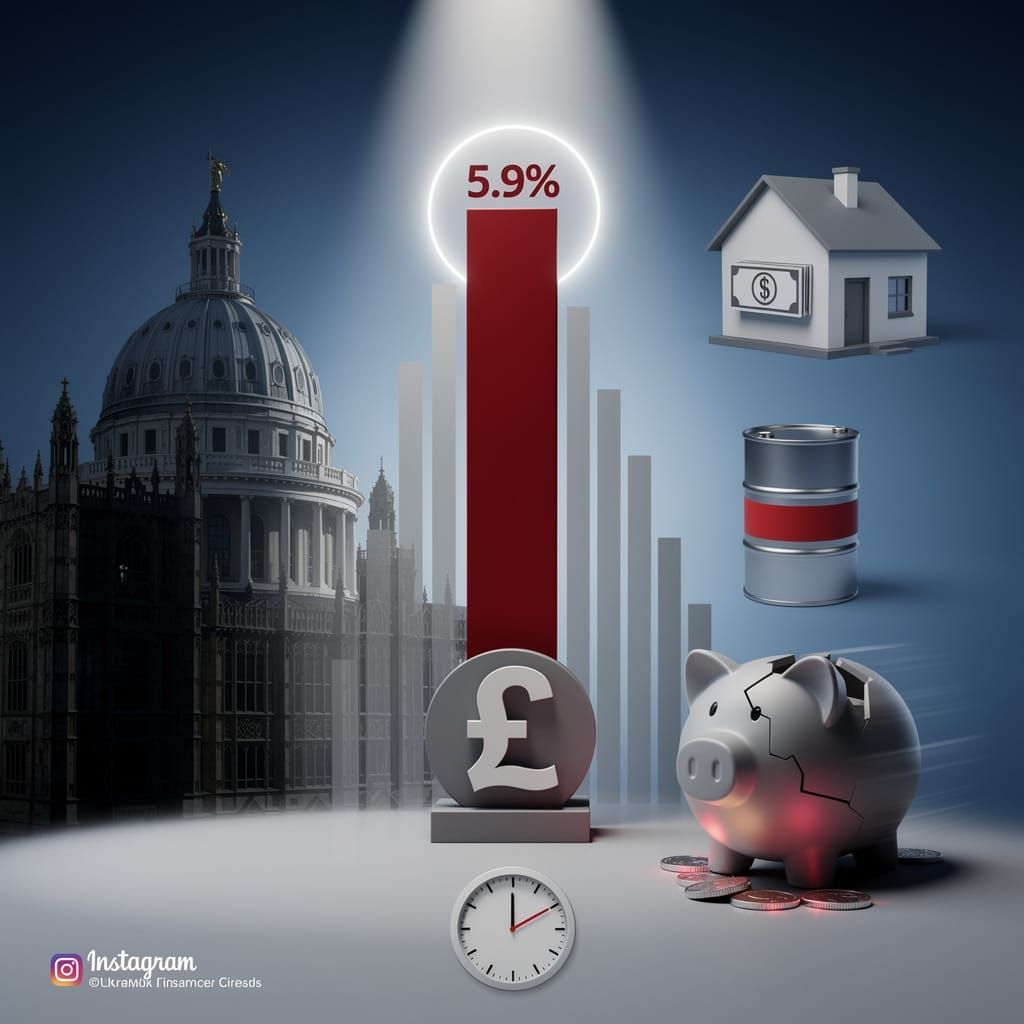
UK borrowing costs hit a 30-year high with gilt yields breaching 5.9% on September 8. Every basis point on debt above 100% of GDP costs £2.3bn extra annually. June interest payments alone: £11.7bn — more than defence spending 📉 Treasury says no spending cuts planned. Markets don't believe it. Foreign gilt holdings dropped to 24.7% from 28.3% in 8 months. The "fiscal headroom" is gone. What exactly is the plan for October's budget?
A Fiscal Headroom Mirage
British sovereign-bond yields breached 5.9% on September 8, 2026 — the highest level in three decades. The arithmetic is brutal. Every basis-point increase on a national debt above 100% of GDP pushes annual interest payments up by roughly £2.3 billion. At current yields, the UK government now spends more on debt servicing than on defence, with interest payments hitting £11.7 billion in a single month — June 2026 — alone.
And yet, the Treasury's official position remains: no immediate spending cuts are planned.
This is not strategic patience. It is institutional paralysis.
The Deficit Is Already Eating the Future
- April 2026 recorded borrowing at its highest level since the pandemic, hitting £23.3 billion in a single month and exceeding all official forecasts by £5.6 billion.
- June 2026: Borrowing fell to £16 billion — a marginal improvement the Treasury called "good news" — yet central government debt interest still consumed £11.7 billion, up 54% year-on-year. Ruth Gregory of Capital Economics warned fragility persists. The relief is cosmetic.
- The fiscal headroom — the Chancellor's buffer against reality — has evaporated. The remaining £9 billion is already consumed by higher-than-forecast welfare caseloads and fuel-cost subsidies.
- The government's own "15.5" fiscal rule (cutting the structural deficit by £15.5 billion annually) now requires cuts so steep that they would trigger a contraction in public-sector GDP of roughly 1.2% — enough to tip the UK into recession.
- National debt crossed £3 trillion in August 2026. The Office for National Statistics provisionally reported £2,984.9 billion at end of July, meaning every UK adult now owes £52,000 as their share. Lord Redwood called the trajectory "runaway government spending since the previous administration."
Housing: Where the Yield Pain Landline
Rising gilt yields do not stay inside the bond market. Mortgage lenders repriced instantly:
- Two-year fixed-rate mortgages now average 6.4%, up from 4.8% in January 2026.
- Households rolling off fixed-term agreements in October face monthly payment increases of £320–£470, depending on loan size.
- Mortgage approvals fell 22% in August alone — the steepest single-month drop since the 2008 crisis.
Impact: An additional 380,000 households are now projected to fall into negative equity by March 2027 if yields remain above 5.5%.
The Energy-Shock Bind
Iran-Western conflict disruptions have pushed Brent crude to ~$95 per barrel and European gas to a three-year high. The UK, with limited gas storage and a grid still dependent on combined-cycle gas turbines for 38% of power, cannot absorb this without retail price increases. Price-cap adjustments in October 2026 will add £180 to the average annual household bill.
This forces the Chancellor into a corner:
Public spending side: Protect households via subsidies → deficit widens → yields rise → borrowing costs climb further → subsidy costs increase → loop repeats.
Tax side: Raise VAT or income tax → consumer spending collapses → retail sales data (already down 1.2% year-on-year) reverses further → corporate earnings fall → tax receipts decline → deficit widens.
The October Budget: Already Cooked
The October 2026 budget is less a policy document and more a confession. Every plausible path leads to a deterioration of at least one key metric:
- Deficit reduction (15.5 target): Impossible without a 7% real cut to health and defence simultaneously — politically unviable and practically dangerous given that the Defence Investment Plan already reveals a £13.5 billion shortfall between declared needs and available funds. The government has committed £15 billion in fresh annual defence financing over six years, yet the gap persists.
- Borrowing costs: The Debt Management Office issued a 30-year bond on September 8 at 0.75 basis points above the 2055 gilt reference — the highest yield on new debt in nearly three decades. At current yields, annual interest on new debt alone will exceed £14 billion. The government is already paying an estimated £6 billion extra per year in debt interest compared to pre-crisis forecasts. By 2030, debt interest spending is projected to surge to £137 billion.
- Growth: The Office for Budget Responsibility's latest forecast projects 1.1% GDP growth for 2027 — insufficient to stabilise the debt-to-GDP ratio, which hit 95.1% in June 2026 and is heading toward 105%.
The Deeper Problem: No One Believes the Trajectory
Foreign holdings of UK gilts dropped to 24.7% in August 2026, down from 28.3% in December 2025. The Bank of England's quantitative tightening continues, removing its own buyer from the market. The buyers who remain are demanding a premium for duration risk that the UK's political system appears unable to price correctly.
Dan Coatsworth, investment analyst at AJ Bell, put the picture in context: "UK gilt yields jumped over 4.5 per cent as investors priced in three interest rate hikes from the Bank of England over the next two years — driven by prolonged Iran war concerns and inflation threatening to peak above 4%."
The market is not confused. It has run the numbers.
What Comes Next
The timeline is unforgiving:
- October 2026: Budget announcement. If the government chooses spending cuts over tax rises, expect a 0.5–0.7% GDP hit by Q1 2027. The proposed 20% tax auto-deduction from state pensions has already triggered political backlash.
- January 2027: First wave of negative-equity effects in housing market data.
- March 2027: IMF Article IV consultation — the UK's fiscal position will face formal external censure if the deficit exceeds 5% of GDP.
- May 2027: HMRC begins automatic data collection from 52 jurisdictions under the OECD Cryptoasset Reporting Framework, squeezing another revenue channel — though not enough to close the gap.
- Mid-2027: If yields stay above 5.5%, the Bank of England will be forced to choose between inflation control and financial stability — it cannot hold both.
The Chancellor speaks of "tough choices." The truth is that the choices have already expired. What remains is damage management.



Comments ()