Judge Blocks Trump-Era Rule Limiting International Student Stays to Four Years
A U.S. judge has blocked a Trump-era rule that would have capped F-1 and J-1 student stays at four years, keeping the current duration-of-status system in place for about 2.1 million students.

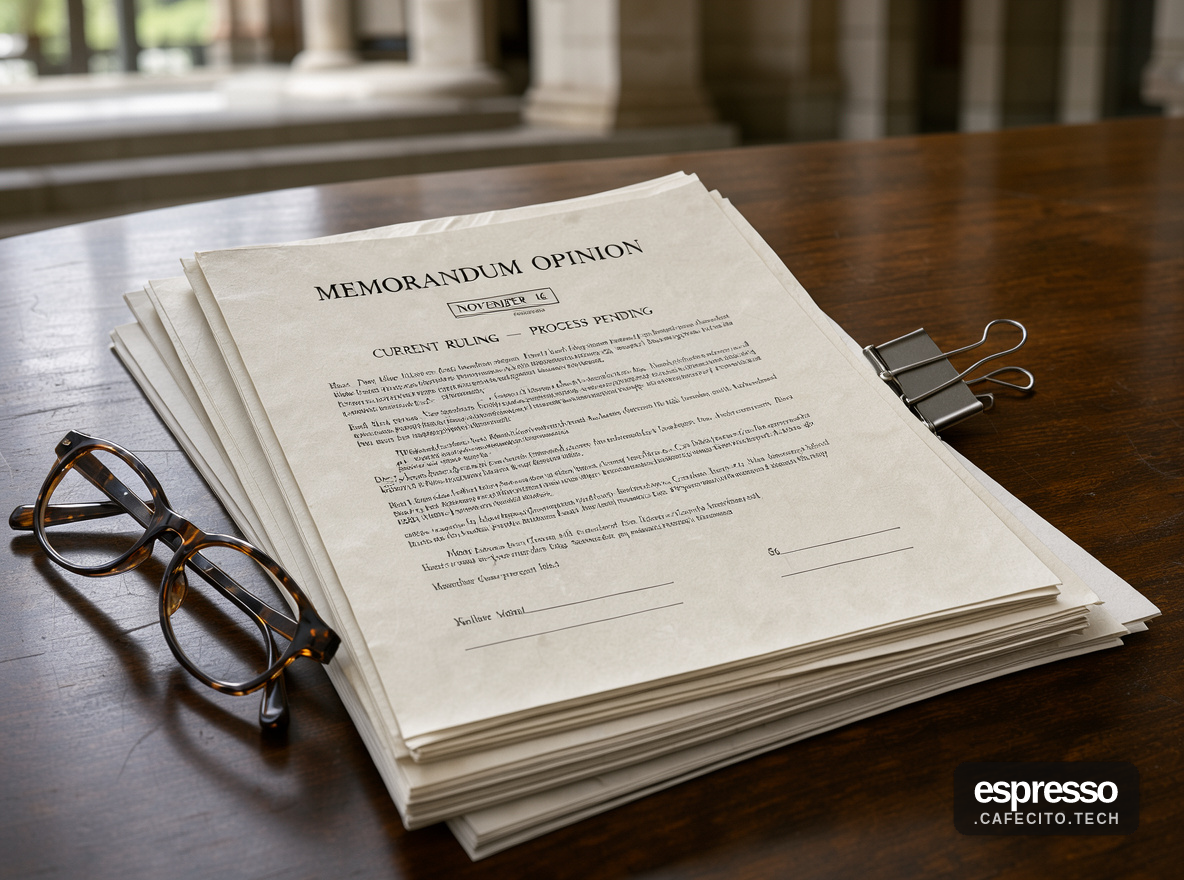
A U.S. District Judge has thrown out a Trump-era rule that would have forced international students to leave the country after four years, keeping the longstanding “duration of status” system in place for roughly 1.6 million F‑1 holders and 500,000 J‑1 holders. The November 16 decision comes after universities, unions, and advocacy groups sued, arguing the policy was arbitrary and failed to meet legal standards. By vacating the rule, the court has shielded graduate programs and research pipelines from the compliance costs and enrollment disruptions the administration had threatened.
What the rule would have changed
The DHS rule, finalized in July 2026, would have swapped the long‑standing “duration of status” model for fixed admission periods: F‑1 and J‑1 students could stay at most four years plus a 30‑day grace period, while I‑visa journalists would be limited to 240 days. Under the existing system, students remain in the U.S. as long as they maintain academic progress. The administration said the change aimed to reduce visa overstays and address national security, but plaintiffs pointed out that the rule lacked a clear link to those goals and imposed heavy compliance burdens.
| Visa category | Current system (duration of status) | Blocked rule (fixed caps) |
|---|---|---|
| F‑1 students | Indefinite while enrolled | Max 4 years + 30‑day grace |
| J‑1 visitors | Indefinite while enrolled | Max 4 years + 30‑day grace |
| I‑journalists | Up to 5 years (varied) | Max 240 days |
Who felt the risk
Universities warned that the rule could trigger steep enrollment declines, budget deficits, and program closures. The Presidents’ Alliance, representing more than 600 institutions, estimated annual compliance costs of about $443 million and argued the policy would disproportionately affect graduate and doctoral students who need more than four years to complete degrees. International students in STEM fields faced the prospect of forced early departures or the need to file costly extension applications. The court’s decision provides immediate relief to those currently in the pipeline, though the broader legal battle over the rule’s fate is not over.
Outlook and next steps
The ruling blocks the rule’s implementation, but DHS has signaled it will appeal. The case is now before the U.S. Court of Appeals, with a status conference scheduled for October 2, 2026. While the injunction preserves the current duration‑of‑status framework for now, universities and student groups will need to monitor future court rulings and any potential legislative countermeasures. If the rule is ultimately reinstated, it could significantly reshape international student mobility and the U.S. higher‑education landscape, but until then, the existing system remains operative.