Back‑to‑Back Cyclones Test Andhra Pradesh’s Recovery Capacity
A new cyclone (Akvan) is intensifying in the Bay of Bengal and is forecast to hit Andhra Pradesh around November 20, even as the state repairs damage from Cyclone Murasu less than two weeks earlier. The back‑to‑back storms are straining resources and raising concerns about whether water and power…

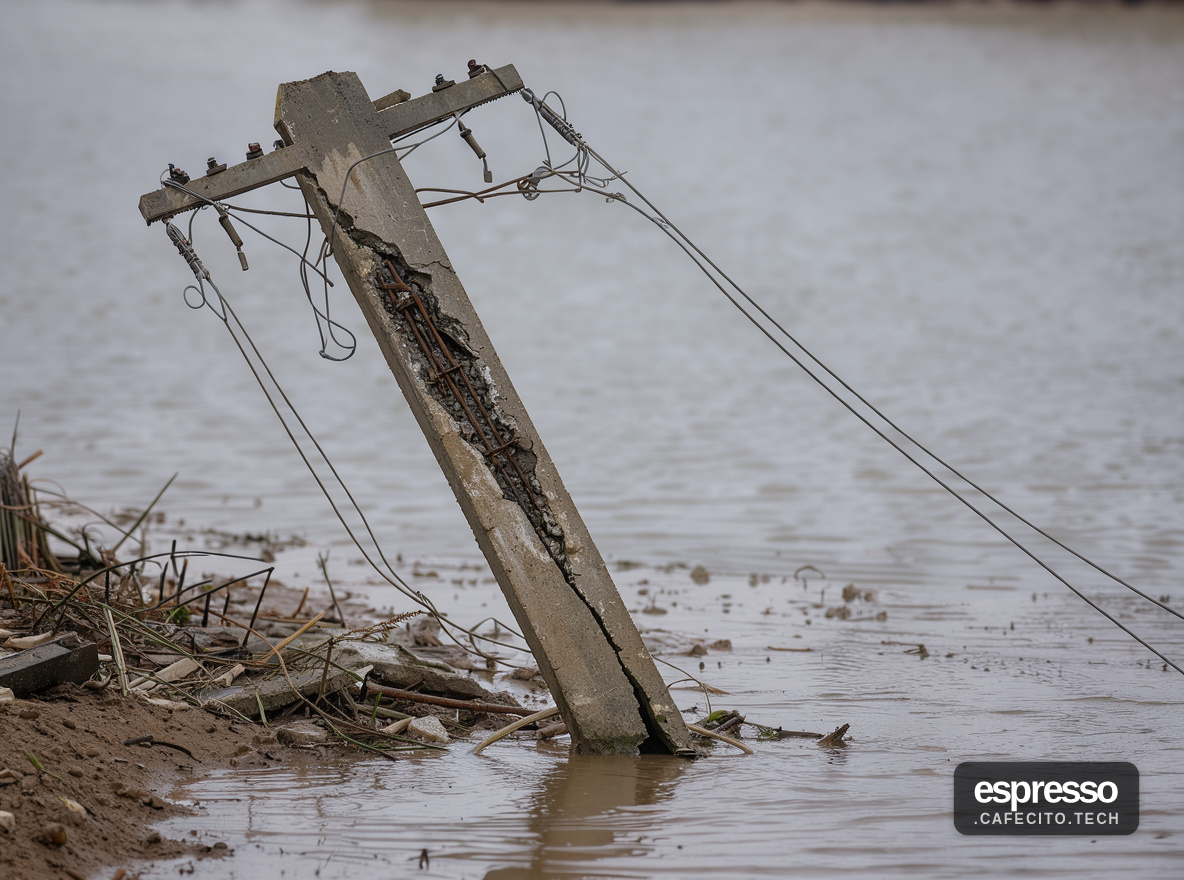
A fresh cyclone is intensifying in the Bay of Bengal and is forecast to cross Andhra Pradesh’s coast around November 20, while the state is still repairing damage from Cyclone Murasu that hit less than two weeks ago. The back‑to‑back storms are stretching local resources and raising questions about how quickly water and power can be restored after another surge of displaced people.
Mechanics
Akvan began as a deep depression in the Bay of Bengal and has intensified into a very severe cyclonic storm. Forecast models show it tracking northwest toward the Nellore‑Tuni corridor with sustained winds of 120–130 km/h and gusts up to 145 km/h, along with heavy rain of up to about 30 cm over the next couple of days. If the track holds, coastal districts in Andhra Pradesh and southern Odisha will see the brunt of the storm. The storm is not linked to Murasu’s damage; it is a separate system that has been developing over the same basin.
Impact
The combination of strong winds and extreme rain threatens several lifeline systems. In Andhra Pradesh, districts such as East and West Godavari, Krishna, NTR, and Guntur are on the highest‑risk list for flooding and infrastructure damage. In Odisha, red alerts have been issued for landslides and flash floods in Ganjam, Gajapati, Rayagada, Koraput, and Malkangiri. Murasu left behind damaged roads, breached irrigation sources, and electricity poles that still need repair; the storm’s timing is especially worrying because the underlying systems may not be able to absorb another shock without delays.
Response and outlook
Both Andhra Pradesh and Odisha are ramping up response capacity. Odisha has deployed ODRAF teams and is preparing to move up to 200,000 residents to shelters. Andhra Pradesh has activated 290 cyclone shelters and reports over 84,000 people already relocated. Mobile health units, generators for hospitals and water utilities, and stockpiles of oral rehydration salts (ORS) and anti‑diarrheal medicines are being pre‑positioned. However, the recent damage from Murasu has already strained road access and power reliability, which will likely slow down the delivery of relief supplies and the restoration of utilities once Akvan passes.
If Akvan follows its current track, the immediate priority is safeguarding lives through evacuation and protecting critical facilities with backup power. The longer‑term challenge will be restoring water and power supplies, clearing flood‑affected roads, and supporting agricultural recovery. Continued monitoring is needed to see whether the storm weakens faster than expected or stalls over the coast, which could extend the period of exposure for affected communities. The bigger question, I think, is whether the region can rebuild resilient infrastructure faster than the next cyclone arrives.