Turkey crane collapse at steel plant kills at least 18 workers, triggers investigation and protests
A crane collapse at a steel plant in western Turkey killed at least 18 workers during a shift change. Authorities launched a parliamentary investigation while courts imposed a publication ban, and unions called for safety reforms and executive resignations.

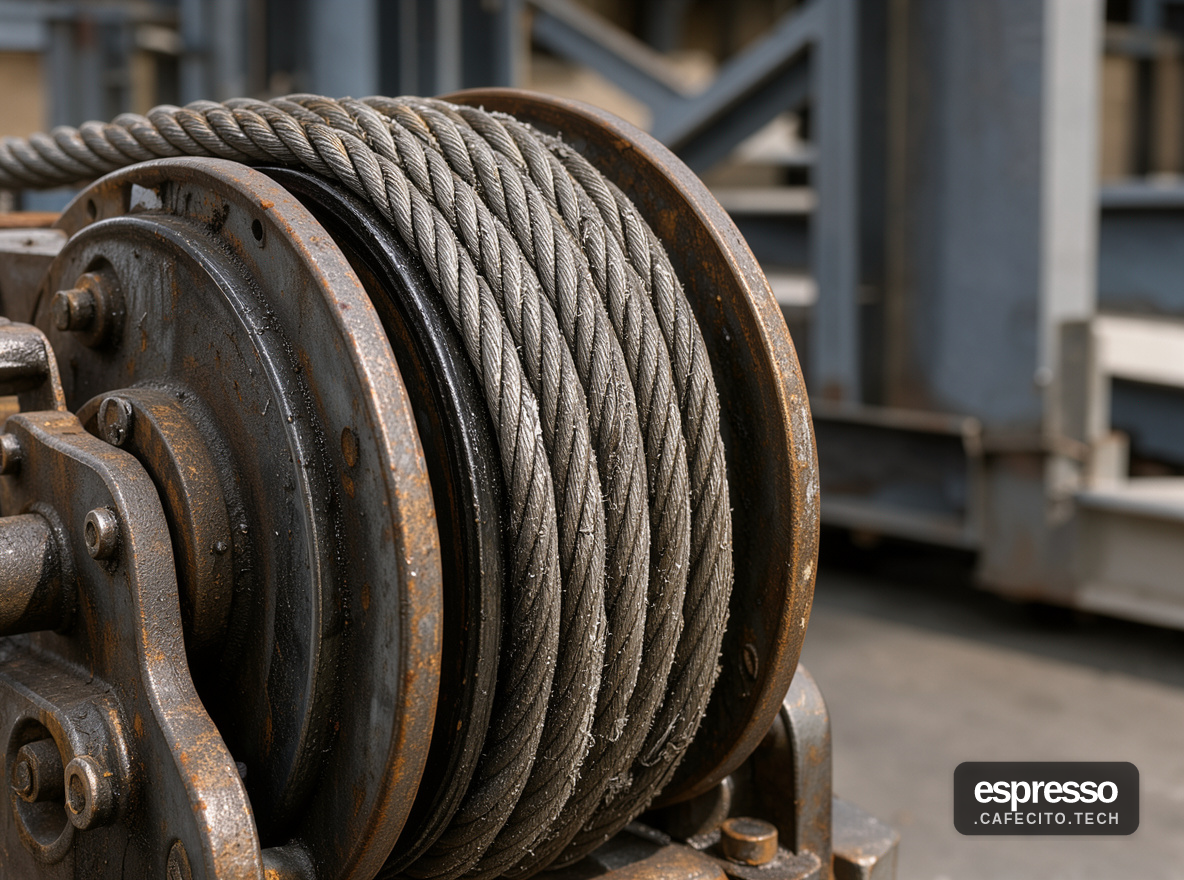
A crane collapse at a steel plant in western Turkey turned a shift change into a disaster, killing at least 18 workers and injuring a dozen more. The explosion at the HABAŞ plant in Aliaga, İzmir, has sparked protests, parliamentary inquiries, and demands for accountability. What the incident reveals is less about a single accident and more about whether existing safeguards are strong enough to protect workers when profit pressures and staffing cuts collide with dangerous industrial environments.
How the Blast Happened
The sequence of events starts with a crane that “broke loose” and fell into an electric arc furnace during a shift change, according to multiple reports. The collision ignited an explosion that engulfed part of the plant in fire and trapped workers under debris. Rescue teams are still clearing the site, and the death toll has risen from the initial reports of 10 or 16 to at least 18 as more bodies are recovered and identification continues.
Crucially, the incident occurred during a shift change while workers were replacing a boiler, not a routine maintenance window. That timing may have increased the number of workers present and the complexity of rescue efforts. The plant’s owner, HABAS, says maintenance was underway, but union leaders argue the conditions were already unsafe. One union leader called it a “profit-driven” accident that could have been prevented with stricter oversight.
Why the Toll Keeps Rising
What stands out to me is how quickly the death toll climbed. Initial reports from TurkishMinute and other outlets listed 10 deaths and 15 hospitalized. Later coverage by DW and BBC reported 16 killed and 13 injured. By the time the story was updated again, the count had reached 18, with more workers still trapped or unaccounted for. That jump tells us at least two things: the initial estimates were conservative, and the physical damage was severe enough to delay full recovery.
We also know that two workers’ bodies had to be identified later, which suggests that the blast destroyed personal effects and documentation. Families, already grieving, faced additional delays in confirming the fate of loved ones. This prolongs the emotional and administrative fallout beyond the immediate emergency response.
What Comes Next
Authorities have moved quickly on the political front. The government has launched a parliamentary investigation, and police have detained the plant’s chairman and other officials. Activists are demanding the resignation of the labor minister and the prosecution of plant owners. At the same time, independent inspection bodies are being proposed to avoid the conflicts of interest that unions say already exist.
Media coverage is being tightly controlled. Reports describe a “publication ban” issued by courts while the investigation proceeds, which is a specific legal restriction on publishing certain case details, not a general media blackout. The broader picture is one of escalating unrest. Union-led protests are planned across several cities, and the Confederation of Progressive Trade Unions and the Confederation of Public Employees’ Trade Unions are mobilizing workers around demands for safety reforms and executive resignations.
A Wider Pattern of Danger
The tragedy at HABAŞ does not exist in a vacuum. Another report from the International Trade Union Confederation notes that 193 workers died in Turkey in October 2026, across sectors including agriculture, construction, transportation, and maritime work. The Stockholm Centre for Freedom highlights crushing incidents and collapses as leading causes, and it points to a broader trend of lax enforcement and weak oversight.
If we look at the drivers listed for the HABAŞ blast—unsafe working conditions, profit-driven decisions, and inadequate inspections—it fits into a pattern where cost-cutting and staffing pressures appear to override safety protocols. That pattern is what unions are trying to draw attention to with their current protests.
Conditional Outlook
The most immediate milestone is the completion of the parliamentary investigation and the release of a full technical report. Until then, we can’t say with certainty what specifically caused the crane to break loose or whether a maintenance schedule was rushed. What we do know is that the blast has already forced a political response and a series of demands that will shape Turkey’s industrial safety landscape for the foreseeable future. Whether those reforms materialize into real protection for workers remains to be seen.