Mass General Brigham nurses strike over staffing, wages, and benefits
Mass General Brigham nurses rejected a contract lacking wage and staffing demands, setting a strike for Nov. 12 that may force the hospital to rely on temporary staff and delay care.

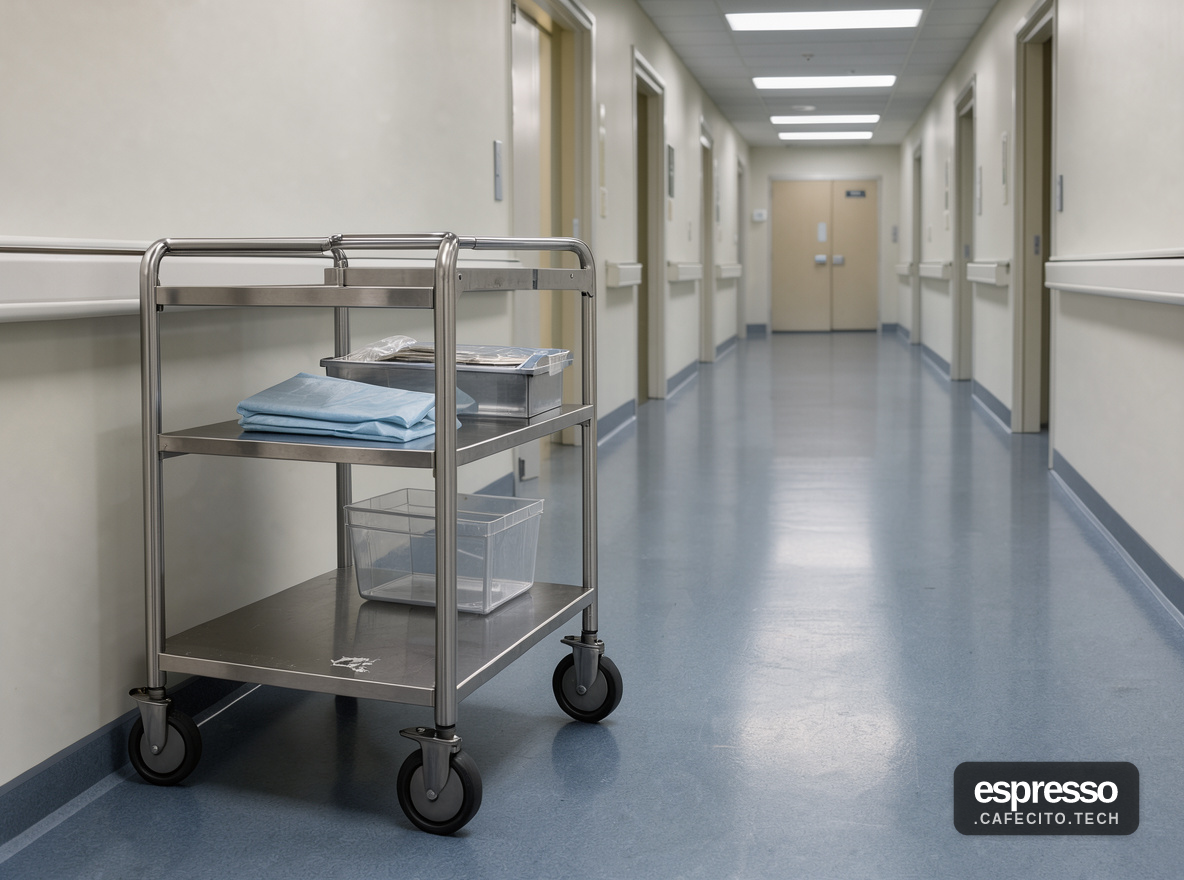
Mass General Brigham’s nurses voted in September to authorize an open-ended strike, and after rejecting the hospital’s latest “last, best and final” offer in late October, the union set a start date of November 12. The Massachusetts Nurses Association represents about 4,000 nurses, and the upcoming walkout threatens to keep beds empty until a new agreement is reached.
Why the bargaining stalled
The union rejected the hospital’s October contract proposal because it included only a cost-of-living adjustment, not the higher wages, more affordable health insurance options and limits on temporary travel nurses that nurses are seeking. The evidence shows a vote to reject and a strike authorization, but I can’t tell from the reporting whether the gap is about the size of the raise, the structure of benefits, or both. The hospital’s offer reportedly didn’t address their core demands, according to the union.
How a strike could reshape care
If the walkout proceeds, Brigham and Women’s would have to rely on temporary staff and reduced staffing levels. Reports mention a possible shift to per-diem or agency nurses, but I can’t verify whether enough are available or how quickly they could be hired. Patient care could be delayed, and the hospital might have to cancel or postpone non-urgent procedures. The system already has a history of using temporary nurses after past strikes, so this isn’t unprecedented, but an open-ended stoppage could stretch those arrangements thinner over time.
What’s next and what we don’t know
Both sides have said they’re open to returning to the table, but no new bargaining date is set. The union’s bargaining committee is ready to strike, and the hospital has indicated it wants to avoid a walkout. Governor Maura Healey has previously urged Mass General Brigham to reopen talks, but it’s unclear if she will intervene again. A federal mediator is scheduled to be involved, which could help restart bargaining, but the evidence doesn’t say whether that will actually happen. What I can say is that the next milestone is a new bargaining session, and whether it leads to a deal will decide whether the strike happens. Until then, the uncertainty is just how long patient care could be disrupted.