Rio’s mpox cases surge as Brazil buys up to 25M vaccine doses
Rio de Janeiro’s mpox case count hit a yearly high in November, prompting a federal purchase of up to 25 million vaccine doses. Officials are reserving shots for high‑risk groups as winter approaches.

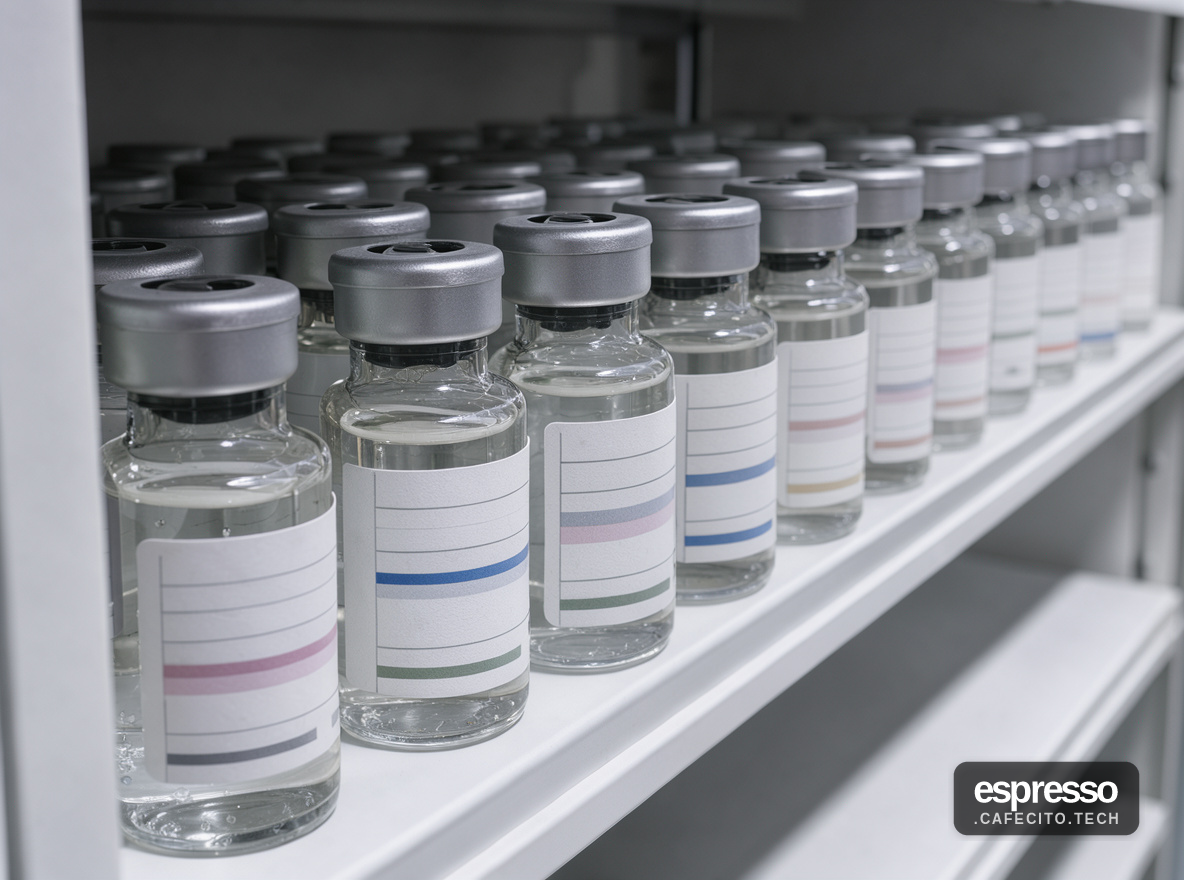
A surge of mpox infections in Rio de Janeiro has pushed the city to its highest case count this year, while the federal government announced a large purchase of vaccine doses. The spike has revived an outbreak that had been mostly under control, and authorities are racing to limit spread before the winter months bring more contact‑heavy gatherings.
The Ministry of Health’s announcement on November 8 that Brazil would buy up to 25 million mpox vaccine doses via the Pan‑American Health Organization came just days after Rio confirmed 396 cases and one death in November. The state’s health secretariat has reopened vaccination sites for adults over 18 living with HIV/AIDS and people with low CD4 counts, targeting those most at risk. With global vaccine production limited, the focus is on high‑risk groups rather than a mass campaign.
How the outbreak is moving
Mpox spreads through close physical contact, including skin‑to‑skin contact with lesions, respiratory droplets, and contaminated objects. In Rio, most cases are linked to direct contact, and public health officials say transmission is accelerating in neighborhoods where people congregate closely. The city’s confirmed cases jumped from 119 in all of 2025 to 211 by November 1, then to 396 by November 17.
Why this matters
The first mpox death in Brazil this year was recorded in Rio on November 14. Authorities linked the death to a co‑morbid condition, but the case has increased public concern. Rio’s health department has said the death underscores the importance of reaching vulnerable groups. At the same time, São Paulo state has reported 388 cases, making it the second hardest‑hit area in the country.
What’s next
Vaccine distribution will depend on how quickly the additional doses arrive and how they are allocated. Health officials have said that, following WHO guidance, doses are being reserved for people with higher risk of exposure, such as people living with HIV/AIDS, immunocompromised individuals, and those with direct contact with confirmed or suspected cases. The ministry has also said that if supply allows, doses may be extended to people using PrEP. I’m not sure how quickly the 25‑million‑dose purchase will translate into shots on the ground, but the next few weeks will show whether the expanded stock can keep pace with the rising cases.