Britain and EU agree youth mobility and food standards, but UK stays out of single market
Britain and the EU have agreed to a youth mobility scheme and harmonised food standards, but the UK remains outside the single market and implementation starts in 2028.

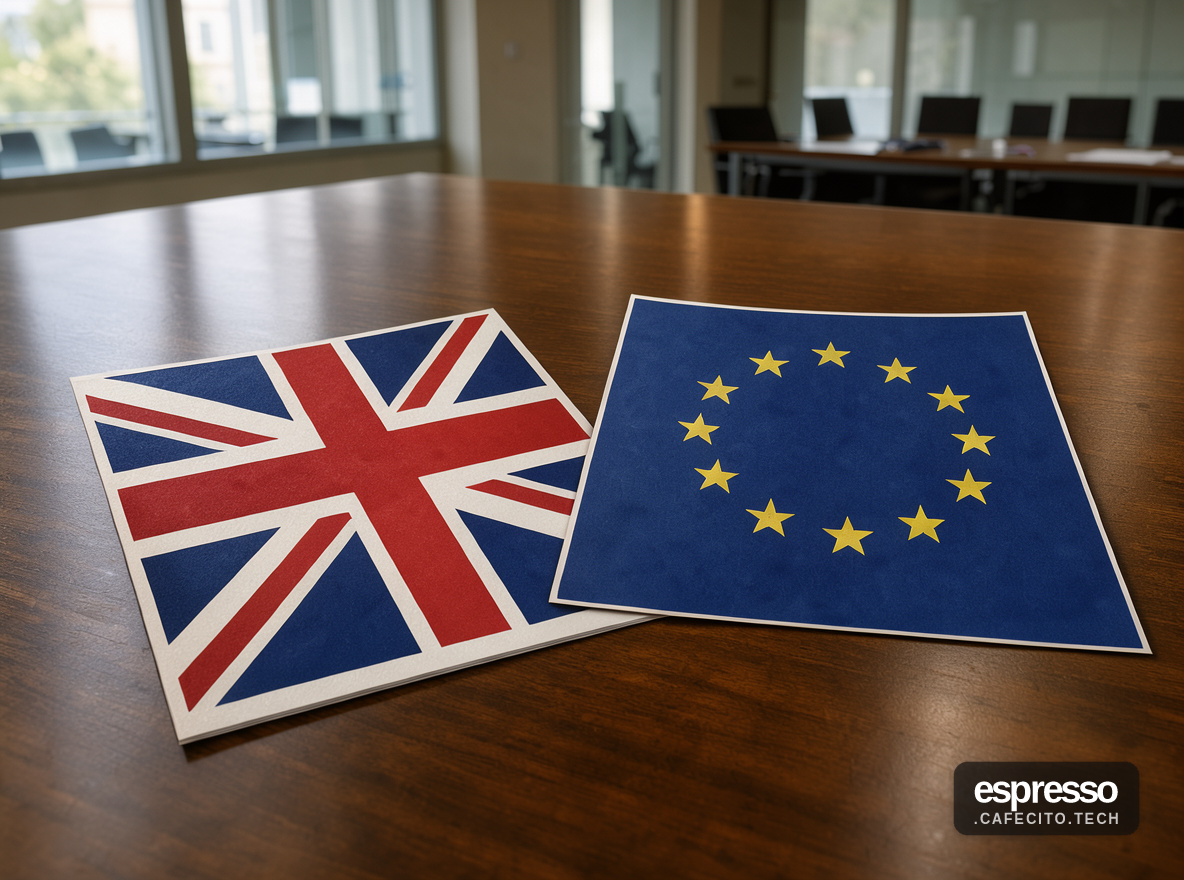
Ten years after the Brexit vote, Britain and the EU have signed a package of trade and mobility accords that reduce some post‑Brexit frictions. The agreement restores a youth mobility scheme, harmonises standards for food and agricultural products, and links carbon‑pricing systems. It does not return the UK to the single market or customs union, so the structural separation remains, but the deals are the first tangible steps toward closer economic coordination.
Mechanics of the reset
The UK and EU have agreed to a reciprocal youth mobility scheme, which lets young people work and study across borders. The deal also removes some sanitary and phytosanitary (SPS) checks for agricultural imports and aligns emissions‑trading rules. These measures lower administrative costs for exporters and reduce paperwork for traders, but they stop short of full membership or a customs union. The accord is being presented as a “reset” rather than a re‑entry, and implementation begins in January 2028, with some economic benefits only expected from January 2030.
Impact on citizens and markets
For ordinary people, the most visible change is the youth mobility program, which is expected to increase cross‑border travel and work opportunities for roughly 100,000 young people. For businesses, especially in agriculture, manufacturing and tourism, the reduction in border checks and linked carbon markets should cut compliance costs and open new export markets. However, the UK remains outside EU procurement programs and many industrial policy funds, so the upside is limited to specific sectors rather than a broad economic recovery.
Political obstacles and outlook
The biggest hurdle is domestic, not Brussels. The agreement has drawn criticism from some Conservatives who view it as a reversal of the 2016 vote, while Labour figures remain cautious about reopening a constitutional question. Former Prime Minister Theresa May has publicly expressed shock at Prime Minister Andy Burnham’s intention to restart talks between Great Britain and the EU, and Reform UK has specifically called the deal a surrender. Until Parliament formally approves the deal, its implementation will depend on legislative processes and political stability, which could shift quickly depending on internal party dynamics.
Timeline of key steps
- 2026‑11‑20: EU‑UK summit finalises trade and mobility deal in Brussels.
- 2026‑11‑20: Andy Burnham presents options including full membership or associate status by December 17.
- 2028‑01: Implementation of youth mobility scheme and SPS harmonisation begins.
- 2030‑01: Full economic effects of linked carbon markets and reduced trade barriers are expected to materialise.
If Parliament passes the deal and the UK government maintains stable leadership, the mobility and trade measures could become a lasting framework for limited cooperation. However, any shift in domestic politics or a change in leadership could delay or reshape these arrangements. Until the pact is ratified and operational, Britain’s relationship with the EU will remain a series of incremental adjustments rather than a definitive reversal of Brexit.