Bisleri faces FSSAI sanctions over bromate and PAH contamination; company disputes findings
An Indian regulator flagged a Bisleri bottled water batch for exceeding bromate limits and later confirmed PAH contamination. The company disputes the results and is conducting additional testing, while consumers question whether the product is safe to drink.

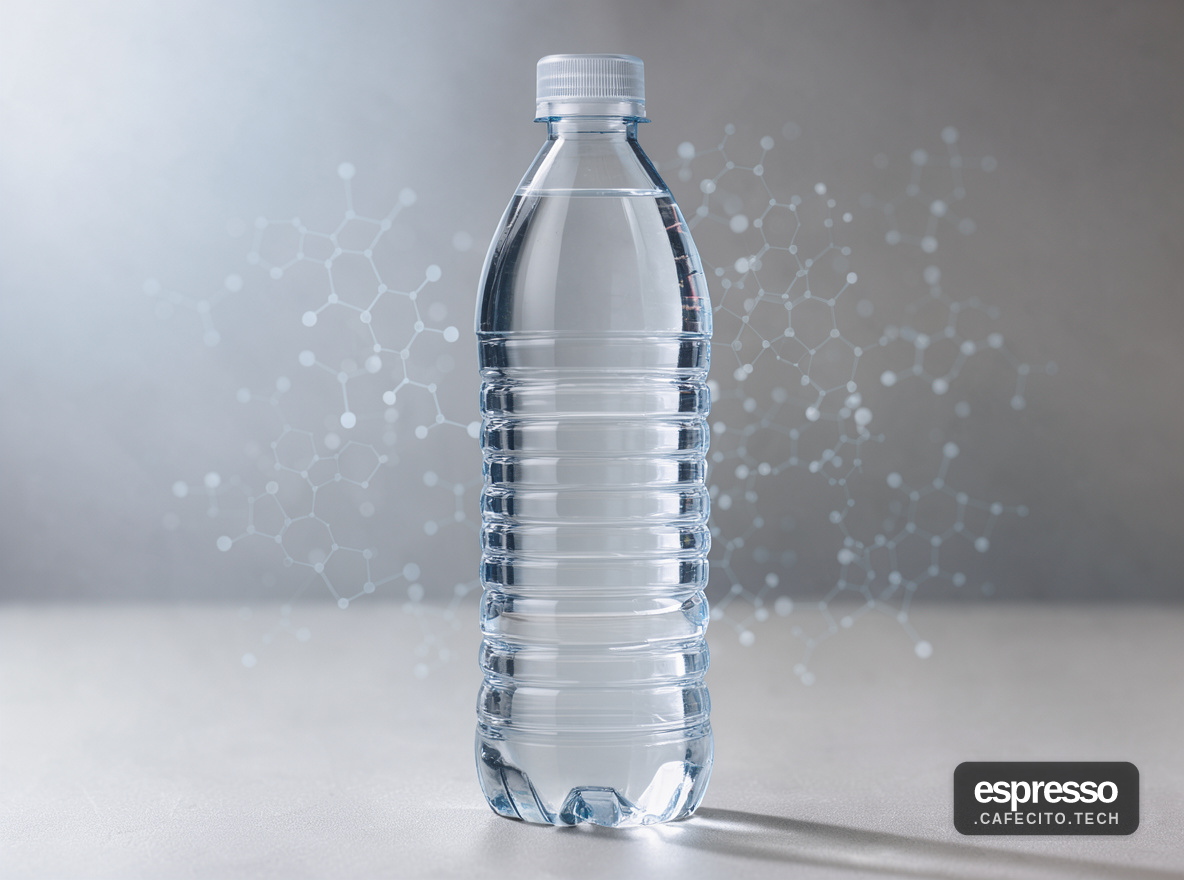
Bottled water giant Bisleri is in the spotlight after regulators flagged a September 2025 batch for bromate levels that appear to breach Indian safety limits, triggering a dispute over testing accuracy and whether the product is fit for consumption. The episode highlights how a single analytical result can ripple through a supply chain and trust network, especially when independent labs and the company’s own statements conflict.
How bromate gets into bottled water
Bromate can form when an oxidant such as ozone reacts with naturally occurring bromide in raw water. The Food Safety and Standards Authority of India (FSSAI) sets a strict limit for bromate in packaged drinking water. When a sample from a Bisleri batch manufactured in September 2025 was tested and found to exceed that limit, regulators opened an investigation. Bisleri denies the result, saying the sample was flawed, and has appealed the finding.
What the evidence shows
- One sample flagged: The FSSAI’s initial test on a Bisleri batch found bromate above the legal threshold. The company’s appeal argues that the measurement was inconsistent with later third‑party testing.
- Discrepancy in testing: Independent labs later reported the same batch contained not only excess bromate but also polycyclic aromatic hydrocarbons (PAHs), both of which violate safety standards. This dual finding has intensified regulatory scrutiny.
- Company position: Bisleri International and its parent company have publicly stated that the water remains safe for consumption and that they have received no formal notice of prosecution. They also claim they are coordinating further testing through official channels.
What happens next
- Ongoing testing: Bisleri has said it will conduct additional testing and coordinate with regulators to resolve the dispute.
- Regulatory response: The FSSAI’s move to prosecute follows the discovery of a batch that failed the bromate test and later confirmed PAH contamination. The authority has also expanded testing to other brands’ packaged water, using external labs for verification.
- Consumer confidence: The controversy is already affecting brand trust, as consumers and media highlight the risk of relying on a single lab’s result when appeals and second‑party testing produce conflicting data.
Timeline of key events
| Date | Event |
|---|---|
| September 2025 | Batch of Bisleri water is manufactured. |
| 2025 | FSSAI investigation reveals unsafe bromate level in the batch; company claims analysis results are flawed. |
| 2026‑11‑23 | FSSAI sanctions Bisleri for prosecution; company denies receiving a notice and says products are safe. |
| 2026‑11‑23 | Independent labs confirm bromate and PAH levels above legal limits, intensifying regulatory scrutiny. |
| 2026‑11‑23 | Bisleri announces further testing via official channels and coordination with regulators. |
If Bisleri’s additional tests confirm the initial findings and the FSSAI proceeds with prosecution, the company could face penalties and a broader recall. Conversely, if new official tests show the water complies with safety standards, the dispute may be resolved without formal sanctions, though consumer confidence could remain shaken. For now, the next clear milestone is the outcome of Bisleri’s coordinated testing and the FSSAI’s response to those results.