Army to Save $1B on Pilot Training as Cheaper Choppers Replace Lakota at Fort Rucker
TL;DR
- U.S. Army initiates Phase IV of Flight School Next program, selecting Bell and M1 Support Services to outsource helicopter pilot training
- FAA Investigates Fatal Plane Crash in Pennsylvania After Engine Failure During Training Flight
- UNSW Researchers Redesign Hydrogen Fuel Cells to Boost Power by 75%, Targeting Long-Range Aviation
🚁 $1B Savings: Fort Rucker Outsourcing to Bell or Robinson for 26-Year Pilot Pipeline
Army will pay $1 BILLION less to train 1,200 new pilots/year—Bell 505 & Robinson R66 beat $480/hr Lakota at $300/hr 🚁💸 That’s 26 yrs of savings equal to 3 new VA hospitals. Fort Rucker’s sky is now a boardroom—will Alabama jobs fly or dive?
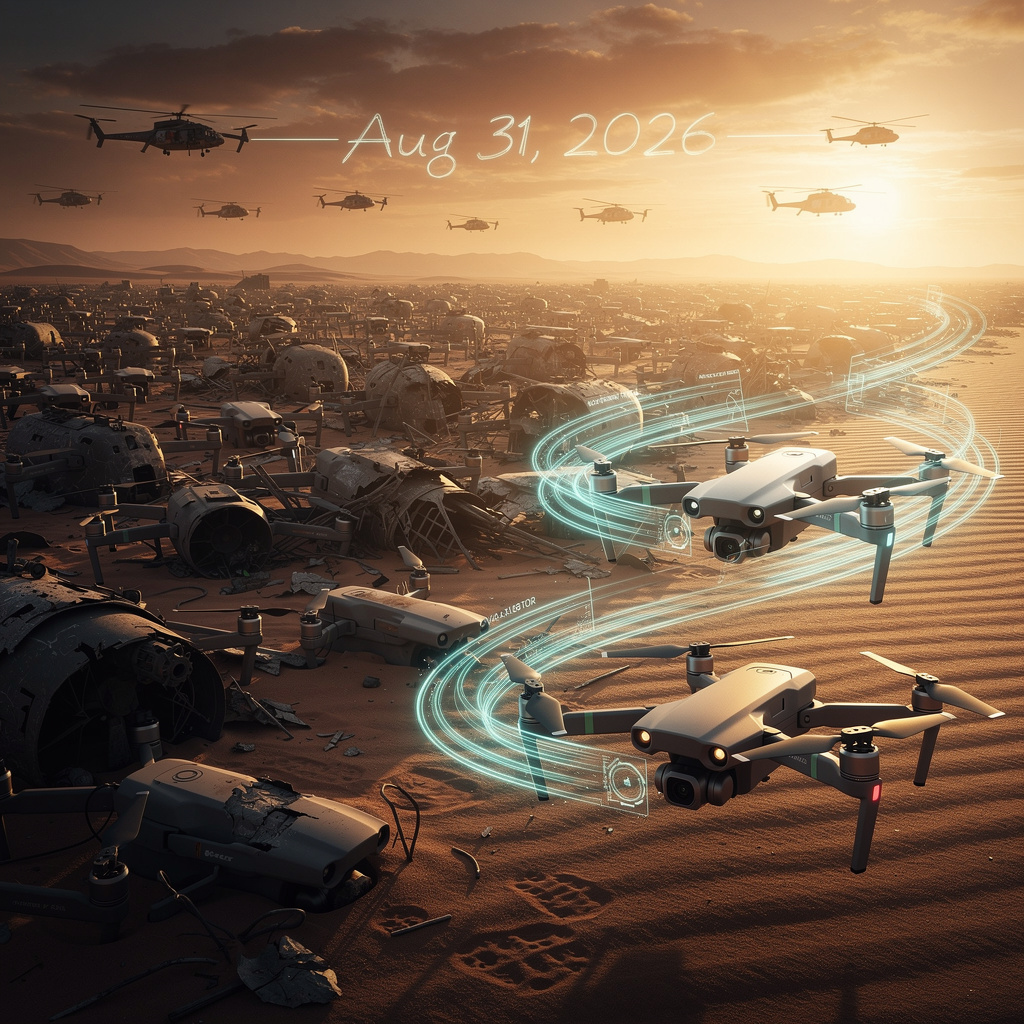
Fort Rucker, Alabama, is quietly swapping olive-drab Lakotas for two sleek civilian machines. On 7-8 April the Army tapped Bell (Bell 505) and M1 Support (Robinson R66) to prove they can run the entire Initial Entry Rotary-Wing course by September. The winner signs a 26-year deal worth roughly $1 billion and trains every new Army pilot—about 1,000 each year—on airframes the contractors own, fuel, and maintain.
How the numbers line up
- Flight-hour cost: Bell 505 ≈ $300, Robinson R66 ≈ $280, UH-72A Lakota ≈ $480.
- Annual throughput per airframe: Bell 505 ≈ 150 hrs, Robinson R66 ≈ 130 hrs, Lakota ≈ 120 hrs.
- Fleet math: To graduate 1,200 pilots the Army needs only 60–70 contractor helicopters versus 100 aging Lakotas.
Impacts at a glance
- Budget: $150–200 million saved over the first decade—enough to buy 20 AH-64E attack helicopters.
- Standardization: One trainer type per contractor erases mixed-fleet logistics.
- Industrial base: Lockheed Martin is out; Bell or M1 gains a captive long-term customer.
- Risk: Contractor default could stall the pipeline; Army keeps a 10-airframe Lakota reserve until pass rates exceed 90 %.
Oversight & pushback
A joint Army-GAO cell will track every sortie via a secure cloud feed. Congress, mindful of the 5 % annual pilot attrition, inserted milestone-payment clauses and quarterly safety audits. Critics warn that outsourcing erodes uniformed instructor expertise; the Army counters that “train-the-trainer” clauses embed sergeants in each civilian squadron.
Outlook
- Sep 2026: Down-select after 400-hour demo; contract award.
- Q1 2027: First 50 pilots train on contractor aircraft; Lakota retirements accelerate.
- FY 2028: 1,200 pilots per year, 100 % contractor-run; savings banked for ARW trainer upgrade.
- 2030-32: If savings hold, Marines may copy the model for tilt-rotor pipeline.
Bottom line
Replacing a 20-year-old military fleet with off-the-shelf helicopters slices 40 % from the training bill while feeding the rotorcraft industry a predictable 26-year order book. Success will make Fort Rucker the template for a new Pentagon habit: buying flying hours, not hardware.
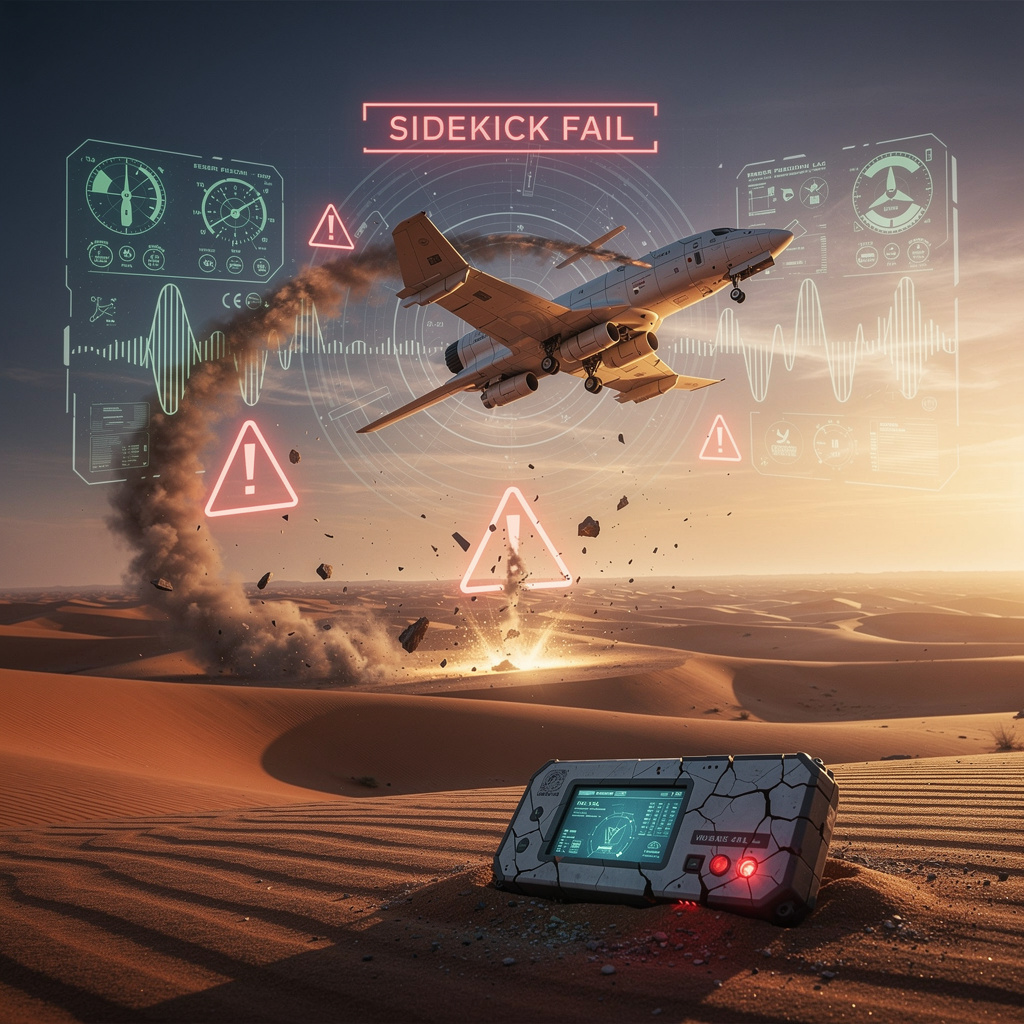
😱 3rd Philly Engine-Out in a Week: 2,300-lb Trainer Crashes, Pilot Critical
2,300-lb trainer falls from sky after engine dies—only 90 sec to pick a rooftop or river 😱. That’s 3 Philly-area engine failures in 7 days. Pilots & neighborhoods pay the price—should single-engine schools still fly over packed cities?
Philadelphia flight instructor Daniel Eckert, 65, had 90 seconds to react after his single-engine trainer lost power at pattern altitude on 8 Apr 2026. He aimed for a gap between rowhouses near Torresdale; a tree stopped the 2,300-lb aircraft and left him with a shattered leg, arm and skull. The FAA/NTSB probe now asks why three Pennsylvania training flights have suffered engine failure in seven days.
How 90 seconds became the fatal margin
At 1,500 ft above the Delaware River, a light trainer glides roughly 1.5 miles. Urban Northeast Philly offers almost no clear turf inside that radius. Investigators calculate that an immediate 180° turn back to the airport succeeds about 80 % of the time—if the pilot decides in under one second. Eckert’s delay, likely only a few seconds, forced an off-field landing with impact energy equal to a 35-mph car crash.
What the numbers already show
- Engine age: 2021 airframe, but maintenance logs withheld; prior April crashes involved 1995 and 2001 powerplants.
- Ops tempo: Fly Legacy Aviation logs 30 daily sorties—high cycle count can accelerate wear.
- Injury profile: 3 fractures + skull trauma → high probability of lifelong disability; cost to health system ≈ $1 million.
Where the rule book stalls
Current FAR Part 91 allows single-engine trainers to fly over dense neighborhoods at only 1,000 ft, with no requirement for real-time engine-monitoring devices. The NTSB wants that floor raised to 2,500 ft and trend monitors mandated; industry groups counter that fuel burn and fleet replacement could push hourly rates up 12 %.
Short-term / long-term outlook
- Q2 2026: Teardown, AD possible, temporary stand-down of identical engine models.
- 2027: If AD issued, expect 10–15 % insurance hike for single-engine trainers; schools may add 200 twin-engine aircraft to U.S. fleet.
- 2028: Proposed glide-distance rule could shift 40 % of Philly-area training traffic to rural fields, cutting exposure by 250,000 urban over-flights yearly.
Until regulators close the altitude-and-monitoring gap, every low-level lesson over the city remains a 90-second gamble with the laws of gravity—and the patience of gravity never changes.
🛫 75% Power Jump: UNSW Micro-Channels Push Hydrogen Planes 200 km Further
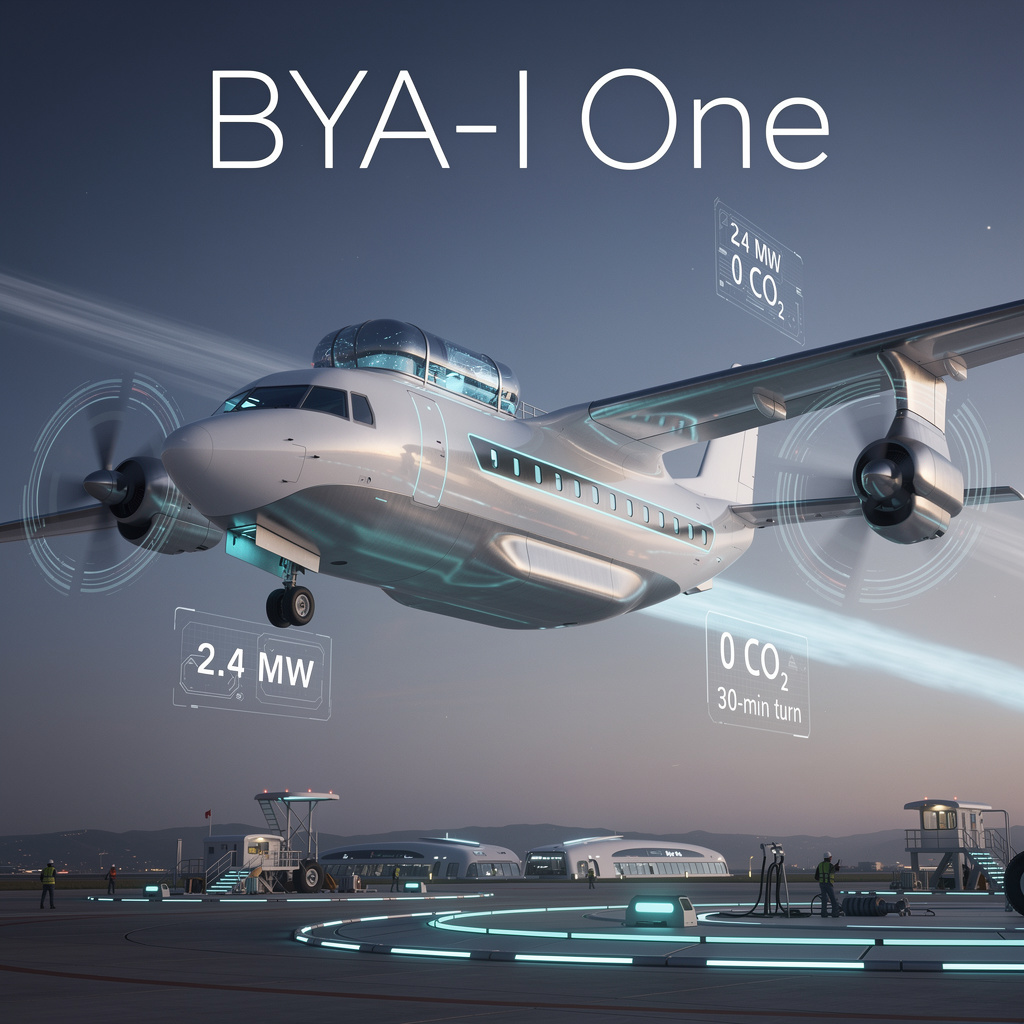
75% more power, zero extra platinum: UNSW’s hair-thin fuel-cell channels lift a 2-ton plane from 2h → 3.5h flight on the same hydrogen tank 🛫 That’s an extra 200 km clean range for rural routes—ready for take-off before 2030?
UNSW engineers have etched 100-micron water drains inside a standard fuel-cell membrane, pushing power density to 1.75 kW kg⁻¹—enough to stretch a two-seat trainer’s endurance from two hours to three-and-a-half without adding hydrogen or platinum. Published yesterday in Applied Catalysis B, the tweak costs nothing in materials and keeps the 58 % conversion efficiency intact.
How micro-channels outsmart flooding
The lattice of 100 µm channels and ribs acts like an internal gutter, whisking liquid water and gas away from the catalyst. By stopping the “wet-blanket” effect that chokes conventional cells, the active area stays drier and delivers 75 % more electrons under standard 80 °C, 1 atm conditions. No extra catalyst, no thicker stack—just faster drainage.
What the gain means in the air
- Range: A 2-ton, 19-seat commuter gains ~200 km, turning Sydney–Canberra into a non-stop, zero-emission hop.
- Payload: A 150 kg test-bed UAV flew five steady hours; freight drones could soon carry 30 kg 300 km on a single 350 bar tank.
- Emissions: Bench tests recorded nil CO₂, NOₓ or soot—equivalent to grounding 250 cars for every 1,000 h of regional service.
Where the rivals stand
- Weight: US FUELEAP SOFCs need cryogenic hydrogen tanks, adding ~400 kg to a 5-ton airframe; UNSF keeps standard gas cylinders.
- Cost: UNSW retains $12 kW⁻¹ PEM pricing; SOFC stacks run $18–20 kW⁻¹ before insulation and reformer.
- Certification: PEM pathway already exists; SOFCs await new high-temperature safety rules.
Gaps still to close
- Durability: Micro-ribs have survived only 2,000 thermal cycles; aviation rules ask for 5,000.
- Yield: Laser-drilling 1 million channels per 250 cm² plate must hit 99 % perfection to avoid $2 kW⁻¹ scrap penalties.
- Supply: Australia’s green-hydrogen pipeline aims for 35 kt yr⁻¹ by 2028—enough for just 300 regional aircraft.
Timetable to take-off
- Q4 2026: 5,000-h endurance test ends; CASA pre-certification dossier filed.
- H2 2027: First airline demo flights (two undisclosed Aussie carriers) with retrofitted 20 kW stacks.
- 2028–2029: Roll-to-roll laser etching scales to 10 MW yr⁻¹; unit cost locked at ≤ $12 kW⁻¹.
- 2032: 30 % of Australia’s 19-seat fleet converted, cutting regional-aviation CO₂ by 0.4 Mt yr⁻¹—comparable to deleting the annual output of 55,000 homes.
Bottom line
A handful of microscopic gutters may be the cheapest runway yet to zero-carbon regional skies. If the coming durability boxes are ticked, boarding a hydrogen-propelled commuter flight before the decade closes moves from aspiration to itinerary.
In Other News
- Airbus Begins A380 Refurbishment with New Club Suites and First-Class Seats, Targeting 2027 Completion
Comments ()