😱 $1B-a-Day War: Hegseth Probed for Pre-Strike Defense ETF Gambit
TL;DR
- Senate Democrats Demand Investigation into Defense Secretary Hegseth Over Alleged Insider Trading Before Iran War
- FBI secretly labels FOIA requesters as 'vexsome,' creating taxpayer blacklist and violating transparency law
😱 $1B-a-Day War: Hegseth Probed for Pre-Strike Defense ETF Gambit
$1 BILLION-a-day war & the Defense chief’s broker tried to front-run it 😱—that’s like betting on the coin toss AFTER you’ve seen the flip. Trade never cleared, but the stink lingers. Troops & Iranian kids paid the price while someone shopped for ETF ticker $IDEF. Your move: should ANY cabinet member be allowed to own single stocks while commanding bombs?
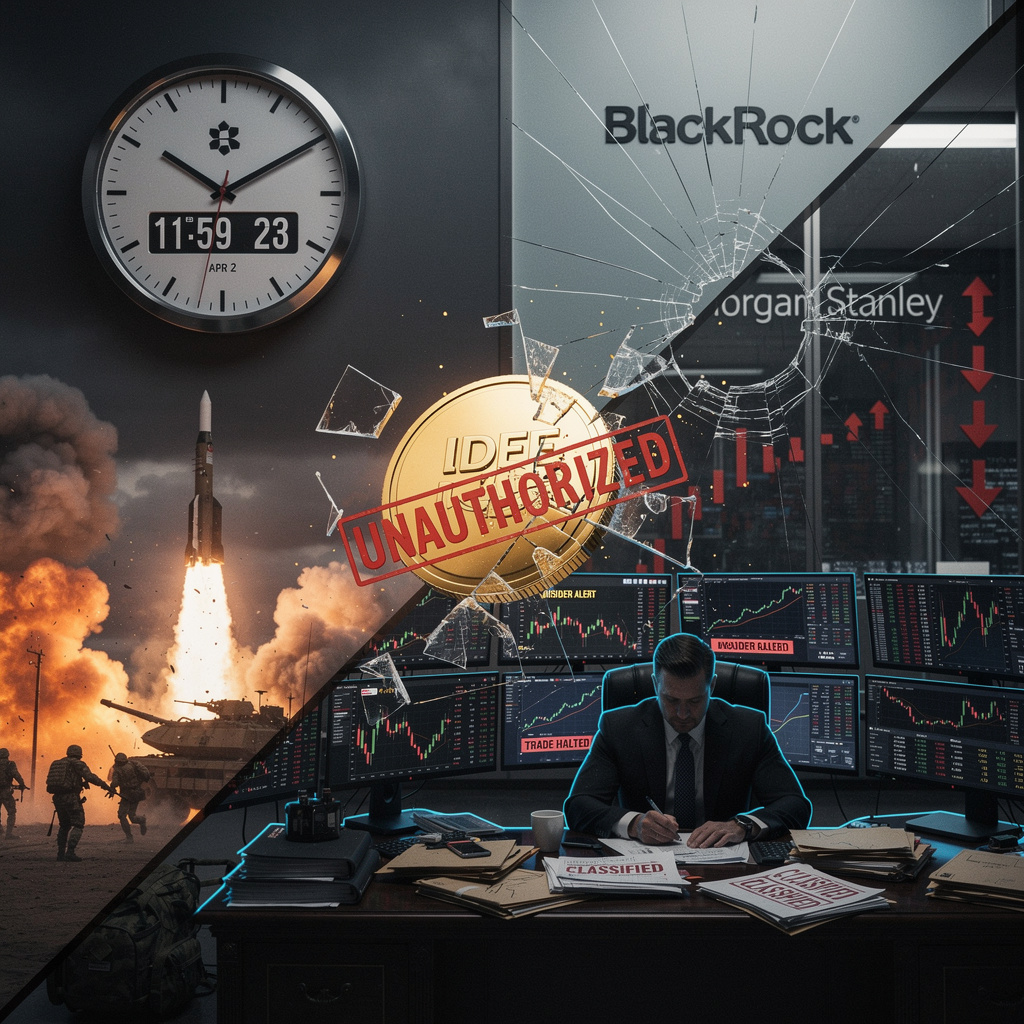
On 28 February the first Tomahawk left the tube; by 2 April five Senate Democrats had fired off letters asking whether Defense Secretary Pete Hegseth tried to buy the jackpot ticket—an eight-figure order for the Defense Industrials ETF (ticker IDEF, $3.2B pool) that landed inside BlackRock 48 h after he received classified briefings on “Operation Epic Fury.” BlackRock flagged it “unauthorized,” Morgan Stanley never filled it, and no shares changed hands. Still, the calendar alone is enough to trigger 18 CFR 263.203 and the STOCK Act.
How the trade almost happened
- Hegseth’s broker pings BlackRock & Morgan Stanley: “multi-million-dollar IDEF, execute before the op.”
- 28 Feb: war starts, daily burn >$1B, defense stocks pop 12-18 %.
- 2 Apr: Senate letters demand e-mails, phone logs, fund records.
Impacts—what one almost-click can do
Trust: >1 600 Iranian civilians dead, 13 U.S. troops KIA → market-timing rumor eclipses mission narrative.
Ethics rules: attempted front-run, even unfilled, still violates “no participation” clause → referral to DOJ Public Integrity.
Market: IDEF constituents (LMT, NOC, GD) gained $28B cap in a week; any whiff of insider flow invites clawback risk.
Congressional bandwidth: procurement hearings pushed to mid-April, delaying $200B supplemental request.
Response & gaps
- Warren–Duckworth bloc subpoena-ready; Kennedy (R-LA) signed on → rare bipartisan armor.
- No executed trade = weak criminal threshold; civil penalty ceiling $1M per violation if Congress upgrades statute.
- Pentagon lacks real-time brokerage alerts; proposal: blind-trust mandate for all Senate-confirmed civilians.
Outlook
- 0–90 days: subpoenas by May, DOJ notice of investigation, Hegseth trading freeze.
- 6–12 months: if substantiated, civil fines + STOCK Act rewrite; projected 8-12 % drop in abnormal defense-stock volatility around classified briefings.
- 18–24 months: template expands to Ukraine, Venezuela contingencies; ETFs demand compliance certs before share creation.
The episode shows that in Washington the house always wins—unless Congress rigs the game first.
🕵️ FBI ‘Vexsome’ Tag Adds Decade to FOIA Replies, Lawsuit Says
🚨 10 YEARS of stalling: FBI quietly tags nosy citizens “vexsome” & buries their FOIA pleas—same wait as 2 presidential terms! 📂🕰️ Your tax $$$ fund a secret blacklist that slows public records to a crawl. Journalists + watchdogs feel it first—ever tried prying docs from an agency that’s already labeled YOU annoying? 🇺🇸
Turns out the Bureau keeps a hush-hush tag for people who file too many public-records requests. Journalists, watchdogs, even ordinary taxpayers who dare to ask what their own government is up to get branded “vexsome.” That label quietly shoves their Freedom-of-Information Act (FOIA) pleas to the back of a very long line—sometimes for a decade—without ever telling them why.
How does the secret stamp work?
Inside the J. Edgar Hoover Building, analysts drop the “vexsome” flag into the case file. Once it’s there, the request is no longer judged on whether the law allows release; it’s judged on who asked. Statutory deadlines evaporate, exemptions multiply, and “no responsive records” becomes the default reply—even when documents plainly exist. Cato Institute’s freshly filed suit (02-Apr-2026) aims to force the Bureau to cough up the rulebook it claims doesn’t exist.
What happens when curiosity is criminalized?
- Press freedom: a ten-year stonewall on one reporter’s folder → sources dry up, stories die.
- Public purse: staff hours spent hiding papers → roughly $2 million a year in wasted labor, by agency cost averages.
- Democratic health: secret lists chill 300,000 yearly requests → citizens quit asking, and accountability withers.
Any pushback?
Congress is rumbling; Judiciary chair Grassley loves a good oversight scrap. Meanwhile, Cato wants an injunction by winter and a full scrub of the tag nationwide. The FBI, for now, is pleading “glitch, what glitch?”
What’s next?
- Fall 2026: court could freeze the label; expect a compliance dump of memos and a sheepish body-count of flagged requesters.
- 2027: if Cato wins, the Bureau scraps “vexsome,” swaps to exemption-only triage, and invites DOJ audits every September.
- 2028: Capitol Hill may cement the fix, writing an explicit ban on requester-based blacklists into FOIA itself—complete with fines big enough to make any agency flinch.
Bottom line: when your own tax dollars pay for both the stamp that says “annoying” and the ink that hides the file, transparency isn’t just broken—it’s inverted. If the courts hand the public a win, the FBI will have to learn a novel trick: answering questions without first asking who’s doing the asking.
In Other News
- Federal judge halts Trump’s $400M White House ballroom project pending Congressional approval
- U.S. Military Fires 850+ Tomahawk Missiles in One Month Against Iran, Depleting Stockpiles
- Trump Administration Faces Backlash as Iran War Costs Exceed $1 Billion Daily, Kills 1,600+ Civilians
- Trump fires Attorney General Pam Bondi amid Epstein files controversy and DOJ turmoil

Comments ()