India Fires 100+ Missiles, No Nukes: Precision Punishment — But Stockpiles Are Running Low

TL;DR
- Unionized workers increasingly vote Republican, with 40% backing Trump in 2024 despite labor’s declining political influence
- India launches Operation Sindoor with cruise, ballistic, and hypersonic missiles against Pakistan, escalating regional tensions amid nuclear deterrence
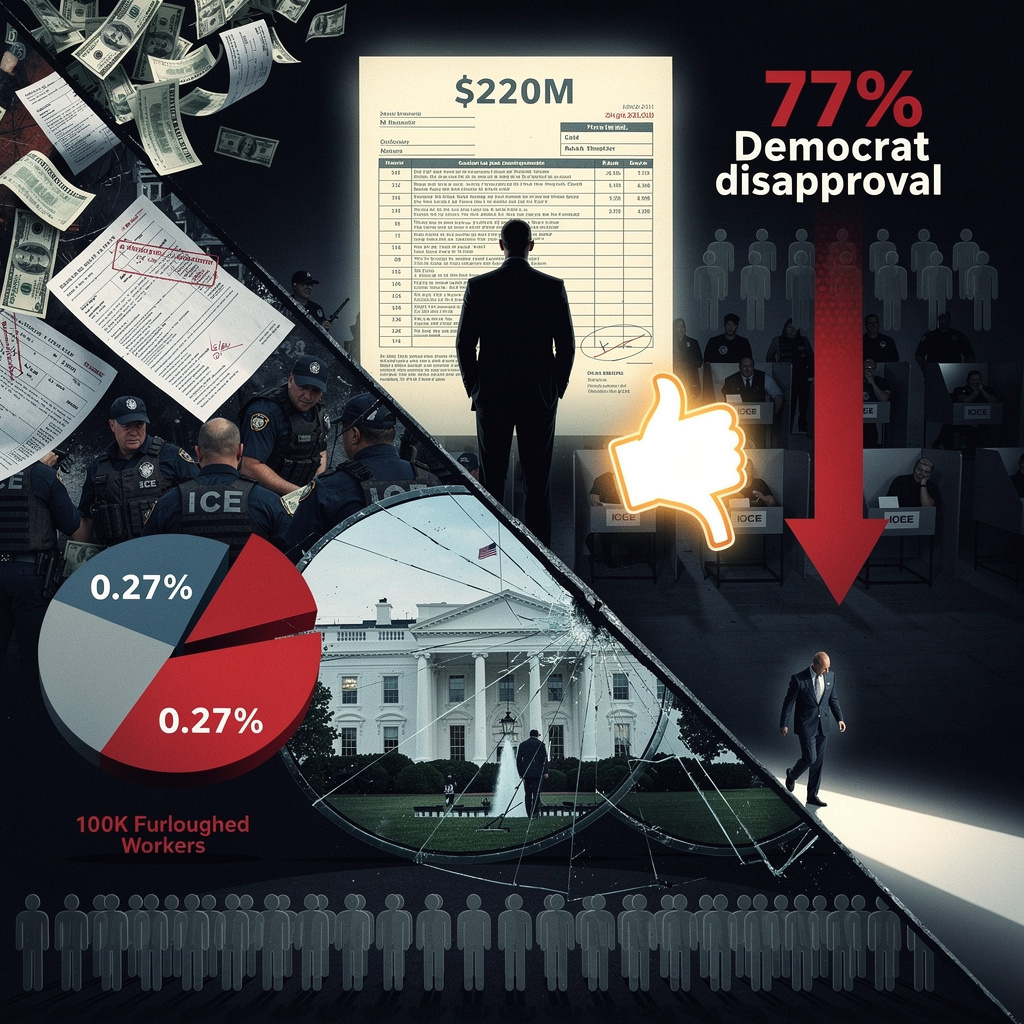
- Pentagon spent $225M on furniture in 2025 amid $93B September spending spree, sparking congressional scrutiny
🤯 16.5M Workers Have Union Contracts — But Only 5.9% Are Members: The Paradox Powering Trump’s Union Support
Only 5.9% of private workers are unionized — less than 1 in 17. Yet 16.5M still have contracts. 🤯 Meanwhile, 40% of union voters picked Trump. NLRB is down 100 staff. Elections dropped 30%. But in NJ & Alaska? Union candidates win 75-80% of races. So… why are we still betting on donations instead of door-knocking? — What’s your state doing right?
Forty percent of card-carrying union members punched the Trump ticket last November. That’s not a rounding error; it’s a picket-line rebellion inside the house of labor itself. Meanwhile, unions now cover only one in ten American workers, and their once-fat political checkbook has shriveled to less than a penny of every federal campaign dollar. Yet in New Jersey they still win three-quarters of the races they enter. Explain that, Sherlock.
How did the muscle melt away?
- Density: Private-sector unions down to 5.9 %—think of a 400-seat theater with 24 occupied.
- Dollars: Labor-PAC share of Dem donations slid from 15 % in the ’90s to <1 % today.
- Doors closed: Union elections dropped 30 % last year; 82,000 workers voted, 42 % fewer than in 2024.
- Desks empty: The NLRB shed 100 staffers, the referee limping off the field while the game speeds up.
So why aren’t they losing every fight?
- Ballots: In Jersey, 1,300 races over 25 years → union label wins >75 %.
- Backlash states: Alaska, 8 of 12 union candidates triumphed (2023-25).
- Bargaining tables: 16.5 million workers—more than the population of Pennsylvania—still work under union contracts, the highest share since 2009.
What happens next?
- 2026-28: Expect 35-45 % of union members to stay Republican unless a recession blames the boss again.
- 2029-35: If the 60 million “I’d join tomorrow” workers actually sign cards, density could rebound past 12 % and Democrats get their wingman back; if not, GOP economic nationalism becomes labor’s new normal.
Bottom line
The hard hat used to be blue; now it’s purple. Unless unions turn warm feelings into dues-paying members—and fast—their political clout will keep shrinking even when their endorsements still win local races. For both parties, the message is the same: the working class isn’t yours by default anymore; you have to earn it, one paycheck at a time.
🚀 Hundreds of Missiles, No Nukes: India’s Precision Punishment Strikes Pakistan—Stockpiles at Risk
Hundreds of missiles. Zero nukes. 🚀 India just fired a storm of Agni-Vs, BrahMos, and Israeli drones at Pakistan—without crossing the nuclear line. This isn’t war. It’s precision punishment. And the catch? Their cruise missile stockpiles are already running low. Who’s next to panic-buy missiles: Iran? Pakistan? Or your neighborhood air defense unit?
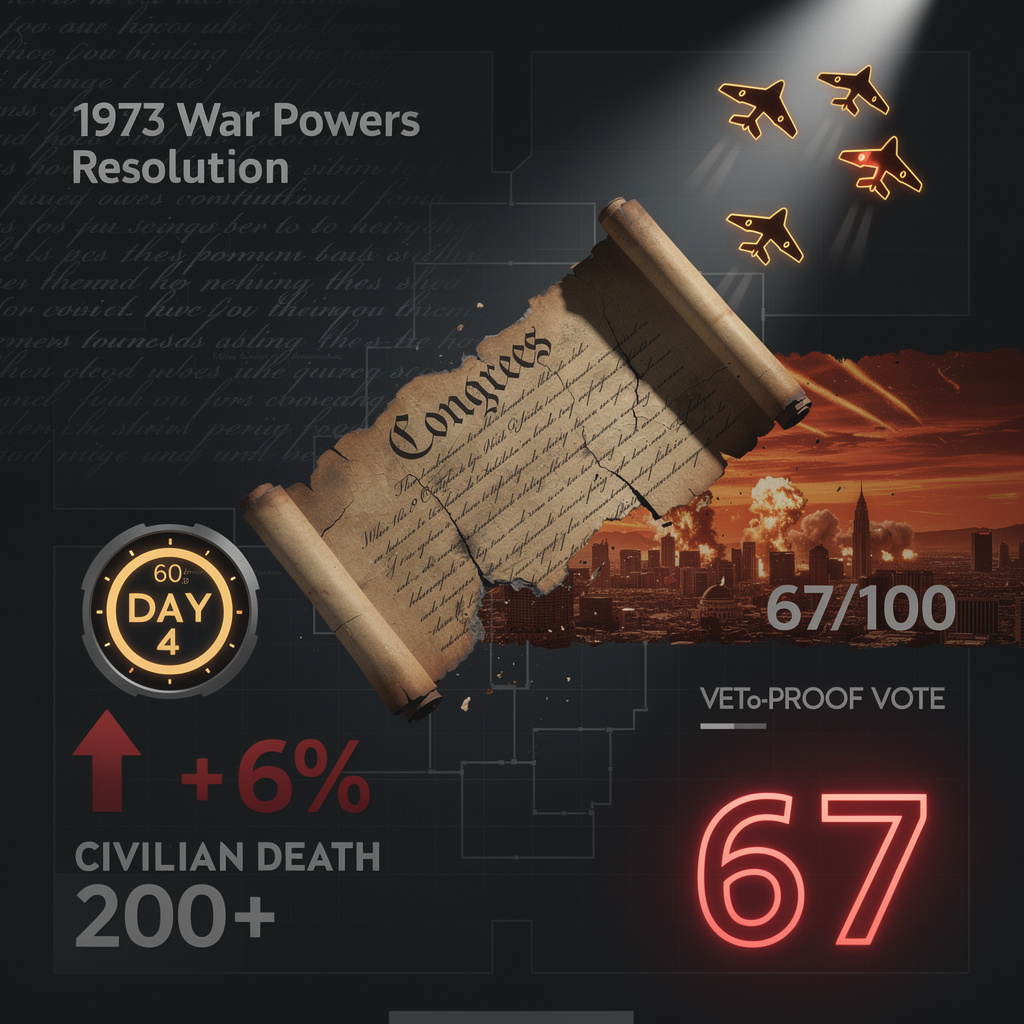
At 03:14 IST today, India flicked the “punish-not-obliterate” switch. Hundreds of cruise missiles, a fistful of hypersonic prototypes and a cloud of Israeli Harop “suicide drones” screamed across the Radcliffe Line in the first 90 minutes of Operation Sindoor. No nukes, no tank columns—just 250- to 8 000-km reach, 300-kg conventional warheads and a brand-new doctrine: hurt, don’t escalate.
How does this work?
Think of it as a three-tier fireworks rack.
- Bottom shelf: 250-km Prithvi SS-150s and 300-km BrahMos cruise missiles—cheap, plentiful, runway-busters.
- Middle shelf: 1 200–5 000-km Agni-I/II/IIIs—nuclear-ready but today carrying 500-kg concrete crackers to C-4 bunkers in Rawalpindi.
- Top shelf: 8 000-km Agni-V ICBMs and a still-wet prototype hypersonic glider that kisses space before dive-bombing at Mach 10.
Israeli Harop drones loiter like angry wasps, hunting radar vans once the first boom opens the door.
What broke, what didn’t
- Airpower: four PAF runways cratered → fighter sorties down 60 % before lunch.
- Logistics: Kot Lakhpat rail hub hit → 200 freight wagons stranded, Lahore supply line throttled.
- Command nets: two telecom towers toppled → Islamabad’s military hotlines blinked for 47 minutes.
- Indian stockpile: only 120 BrahMos built last year; at this burn rate, shelves empty in 14 days.
- Escalation thermostat: still intact—no nukes, but Pakistan’s nuclear reserves are now on a hair-trigger even your dentist could set off.
What happens next?
- This week: Delhi will reload naval tubes; expect second-wave cruise strikes on fuel depots.
- Next month: if shells run low, India may bolt conventional packs onto Agni-V, pushing range to 8 000 km—psychologically nuclear-adjacent.
- Six months out: Islamabad fast-tracks Chinese DF-17 look-alikes; price tag: $3 bn that Pakistan’s IMF diet can’t stomach.
The takeaway
Sindoor isn’t war, it’s a billboard: “We can slap you from Mumbai to Mazar-i-Sharif without leaving the sofa.” The catch? Billboards need electricity, and India’s missile pantry isn’t wired for a long campaign. If the lights stay on, South Asia just traded massed armies for a delivery app of death—tap, swipe, kaboom.
💸 $50B Spent in 5 Days: Pentagon’s Furniture Frenzy in DC Sparks RECEIPTS Act Push
$50B in 5 days. 🤯 That’s not a budget—it’s a fiscal firehose. The Pentagon spent $225M on furniture last month—enough to buy 3,750 $60K Herman Miller chairs… and 18,750 fruit-basket stands. Why? ‘Use-it-or-lose-it’ rules turn December into Black Friday for desks. Who pays? Troops waiting for new radar systems. Should Congress let agencies turn budget deadlines into shopping sprees?
Last September, while most of us were hunting Labor-Day mattress sales, the Defense Department went full “add-to-cart” and dropped $225 million on furniture—the biggest splurge since 2014. Think 60 grand for Herman Miller thrones (yes, the ones your startup CEO brags about) and $12,000 fruit-basket stands that literally hold grapes for generals. All told, the DoD burned $93 billion in 30 days, half of it in the final five-day fiscal panic we call “use-it-or-lose-it.” That’s $10 billion per day, or enough to buy every active-duty service member a new iPhone—every single morning.
How did we get here?
Simple: federal money expires at midnight on Sept. 30. If the Pentagon doesn’t spend it, Congress claws it back. Result? A 54 % last-minute tsunami of contracts—$50 billion in 120 hours—that turns procurement officers into Black-Friday shoppers on espresso. Furniture just happens to be the shiniest, easiest cart-filler; it doesn’t explode, it doesn’t need flight clearance, and it ships fast.
What did we get for the money?
- Budget optics: 0.24 % of September’s tab, but 100 % meme-worthy.
- Operational readiness: zero tanks upgraded, zero code patched.
- Oversight momentum: Senator Joni Ernst’s RECEIPTS Act, demanding receipts (literally) for every check.
- Transparency gap: $6.6 billion quietly shipped to foreign governments—more than the entire annual budget of the Army Corps of Engineers.
What happens next?
- This summer: first congressional hearing; expect slideshows of $60,000 chairs under disco-ball lighting.
- 2027: if RECEIPTS passes, every purchase over $5,000 gets a public Instagram—#DefenseDeals.
- 2030: multi-year budgets smooth the spike; furniture caps at $60 million per quarter—still enough for 1,200 nice chairs, just not 1,200 iconic ones.
Bottom line: the Pentagon isn’t auditioning for MTV Cribs. It’s trapped in a budget game that rewards September speed over strategic speed. Fix the calendar, and maybe next year the only thing getting stuffed will be turkeys, not procurement quotas.

Comments ()