Guatemala Declares 30-Day State of Siege After Deadly Prison Uprising: Security Triumph or Democratic Erosion?
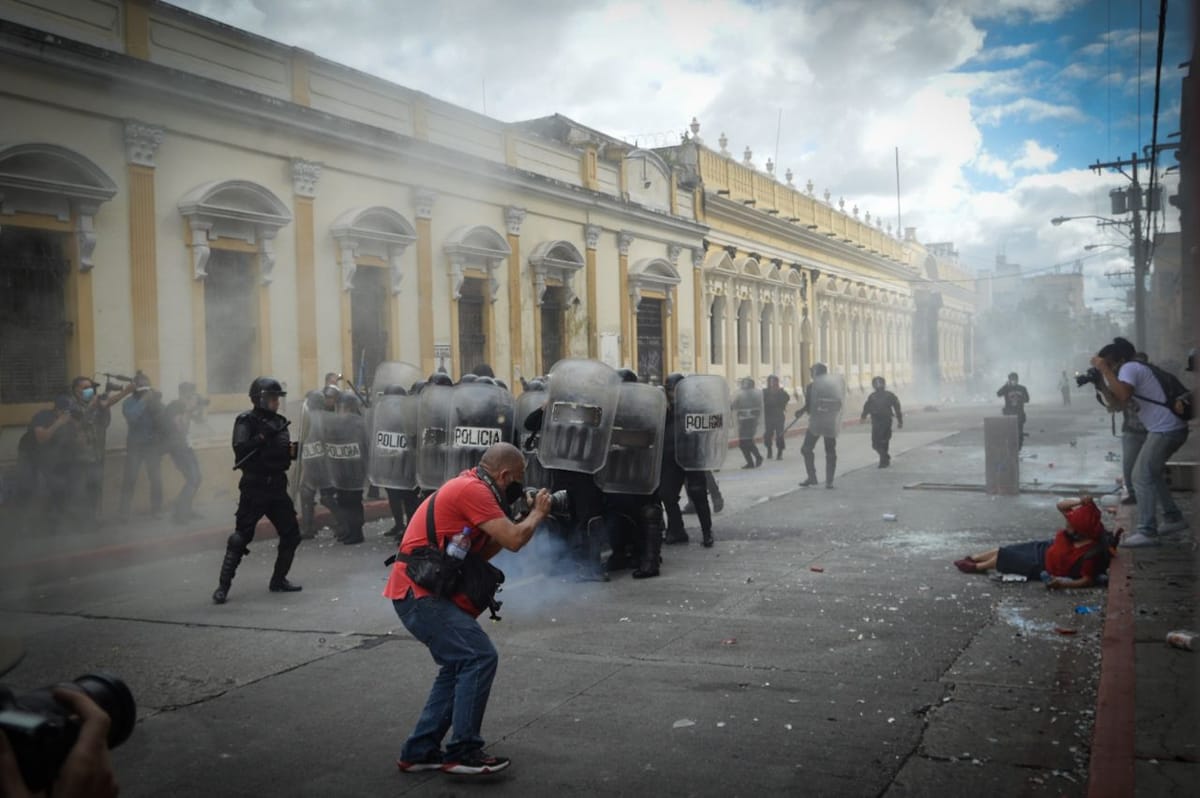
Guatemala's 30-day state of siege follows a prison uprising that killed 8 officers & took 46 hostages. Barrio 18 is an FTO. But suspending civil liberties? Human rights groups demand oversight. #Guatemala #StateOfSiege #Barrio18 #HumanRights #CentralAmerica
On January 19–20, 2026, coordinated prison uprisings by Barrio 18 gang members in Guatemala killed eight National Civil Police officers, wounded ten, and took 46 hostages—setting a new record for casualties and hostage numbers in a single incident. Within 90 minutes, government forces regained control. President Bernardo Arévalo responded with Decree No. 2026-01-S: a 30-day nationwide state of siege suspending assembly and movement rights, and authorizing detention without judicial warrant.
The legal basis is clear: Barrio 18 was designated a Foreign Terrorist Organization (FTO) by the U.S. State Department in September 2025 and by Guatemala’s Congress in October 2025. This enabled expanded police powers under national counterterrorism statutes. The decree also mandates the immediate transfer of high-ranking gang leaders—including Aldo "The Wolf" Duppie—from maximum-security prisons to lower-risk facilities, revoking privileges that enabled operational control from within.
Opposing views are stark. The government frames the siege as necessary to prevent a "nationwide wave of gang-driven violence," citing the 2026 police fatality rate (8 in one day, up from a prior high of 5 in March 2025). Opposition parties, including Encuentro por Guatemala, warn the suspension of civil liberties risks institutionalizing authoritarian practices. Human Rights Watch and Amnesty International have called for independent oversight, noting that 1,200+ detentions are projected under the no-court-order provision.
Regionally, Mexico, El Salvador, and Honduras have intensified border patrols. The U.S. Embassy lifted its "shelter-in-place" advisory after 24 hours but continues to assess FTO-related security cooperation.
- 46 hostages taken (2019–2022 average: 12 per incident)
- 30-day siege: longest since 2019’s 21-day crackdown
- 8 police deaths: highest single-day loss in 2026
- Projected detentions: +1,200 under emergency powers
Isolated retaliatory attacks (3–5 expected), potential IACHR complaints, and intensified cross-border intelligence sharing. Transparency in gang-leader relocation criteria and community engagement in high-risk zones are critical to prevent civilian harm.
Stakeholders must balance immediate security needs with legal accountability. Without independent monitoring, the state of siege risks becoming a precedent—not a response.
In Other News
- Bangladesh Election Fears Mount as 5,753 Looted Firearms Remain Unaccounted for Ahead of Feb 12 Vote
- European Parliament Approves Mercosur Trade Deal Amid Record Low Attendance and Centrist Boycott
- Trump Administration Appeals Court Order Protecting Minneapolis Protesters, Seeks Relief from Eighth Circuit
- Federal Judge Restricts ICE Agents from Using Force Against Peaceful Protesters in Minneapolis

Comments ()