NVIDIA Denies RTX 5070 Ti EOL Amid DRAM Crisis, Meta Shuts Horizon Workrooms as Enterprises Flock to Windows 11 Remote Desktop
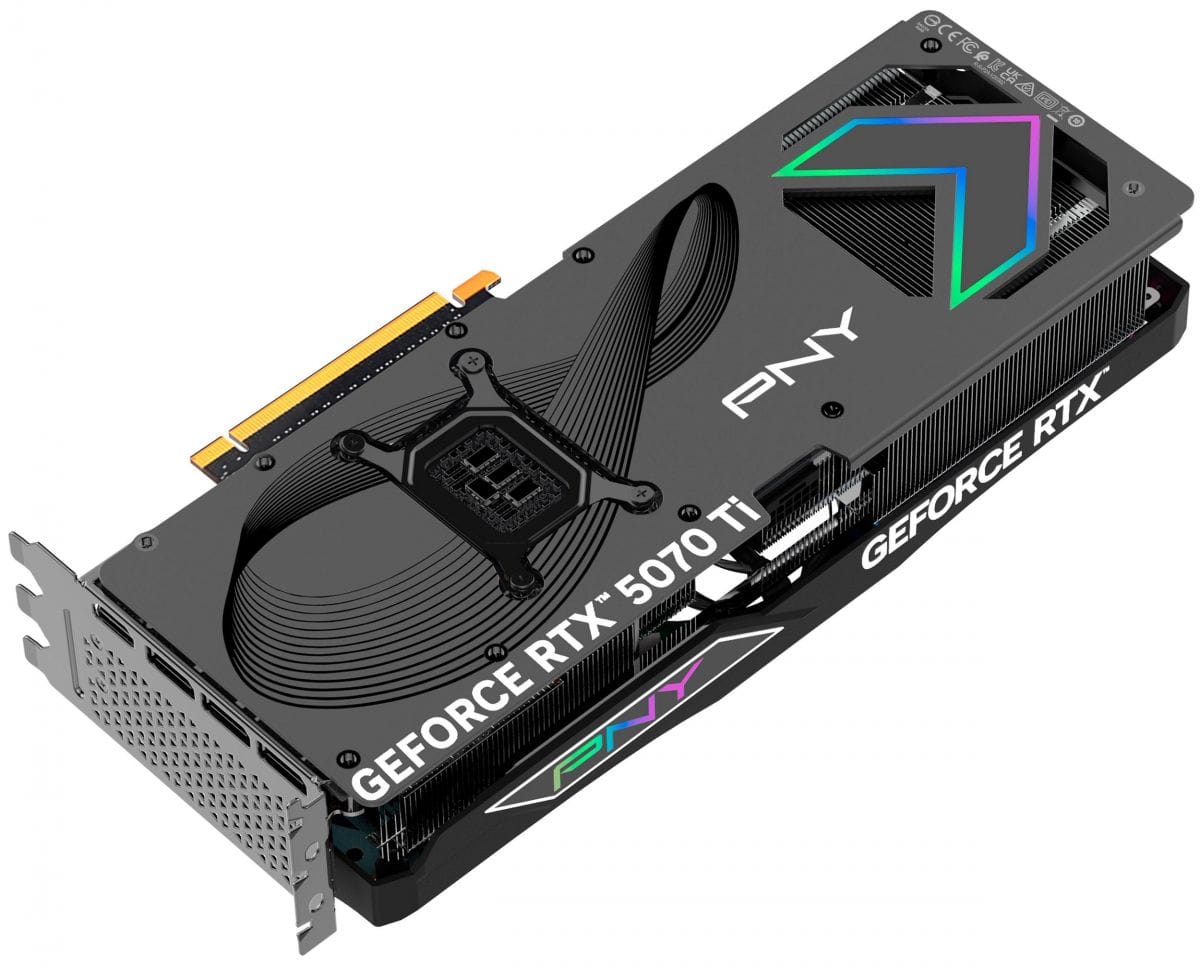
DRAM shortages force NVIDIA to deprioritize RTX 5070 Ti production—yet it’s NOT discontinued. Meanwhile, Meta axed Horizon Workrooms as enterprises migrate to Windows 11 Remote Desktop for lower cost, better security & multi-monitor support. The future of compute isn’t just faster chips—it’s smarter allocation. #NVIDIA #Meta #Windows11 #DRAMshortage #AIhardware #GPUsupply #EnterpriseTech
NVIDIA Denies RTX 5070 Ti EOL as DRAM Shortages Force GPU Production Shifts
No. NVIDIA explicitly denied End-of-Life status for the RTX 5070 Ti on Jan 15, 2026, attributing supply constraints to DRAM shortages, not product retirement. ASUS clarified on Jan 16 that its production pause reflects VRAM availability fluctuations, not discontinuation.
What’s causing the shortage?
DRAM prices surged ≈400% since October 2025, driven by AI data-center demand. NVIDIA’s internal 2026 plan cuts mid-range GPU output by 40% and AIB shipments by 15–20%. The RTX 5070 Ti (16GB GDDR7) consumes disproportionate memory resources compared to the 8GB RTX 5060/5060 Ti, which NVIDIA now prioritizes.
What’s the retail impact?
Retailers report inventory caps of ≤5 units per model. Secondary market prices for the RTX 5070 Ti range from $1,200–$1,500 vs. $749 MSRP. Spot prices for 16GB GDDR5 DRAM rose 450% in Q4 2025. NVIDIA has stopped bundling VRAM with GPUs for AIB partners, forcing partners to source memory independently.
What’s next?
- Q1 2026: Inventory volatility persists; premiums remain >50% above MSRP.
- Q2 2026: DRAM prices may drop 10–15% as AI demand stabilizes; NVIDIA could ease shipment restrictions.
- Q3 2026: RTX 5070 Ti production may resume at 20–30% of 2025 levels if VRAM supply improves.
- Late 2026: Focus shifts to Rubin-architecture RTX 60-series, making the 5070 Ti a legacy SKU.
Strategic implications
NVIDIA’s priority is allocating scarce GDDR7 memory to AI workloads. Consumer GPU production is being deprioritized, not retired. AIBs like ASUS must secure alternative memory sources. Retailers should implement dynamic pricing alerts to curb resale arbitrage. NVIDIA should publish a quarterly VRAM allocation roadmap to reduce market speculation.
Key data points
- DRAM price increase: ≈400% (Oct 2025–Jan 2026)
- Mid-range GPU output cut: -40% (NVIDIA internal)
- AIB shipment reduction: -15% to -20%
- Retail order cap: ≤5 units per SKU
- MSRP vs. resale: $749 vs. $1,200–$1,500
Meta Shuts Down Horizon Workrooms as Enterprises Shift to Windows 11 Remote Desktop for Cost and Control
Meta will terminate Horizon Workrooms on 16 Feb 2026, ending support for 1M enterprise seats. The decision follows sustained feature regression: the virtual whiteboard was removed in summer 2024, and multi-monitor support was reduced to single-display mode. Concurrently, Reality Labs cut 1,000 FTEs, signaling strategic retreat from enterprise VR.
Microsoft’s Windows 11 Remote Desktop (W11-RD) on Quest 3 now matches—and exceeds—Workrooms’ core enterprise use cases. Since mid-2025, W11-RD supports ultrawide 21:9 displays and up to three external monitors, replicating the multi-screen workflows previously exclusive to VR environments. Latency remains under 50ms over LAN/Wi-Fi, meeting enterprise performance thresholds.
What Are the Financial and Security Implications?
- Licensing cost: Workrooms charged $12/user/month; W11-RD with Windows 11 Enterprise E3/E5 costs $8/user/month (33% savings).
- Security: W11-RD integrates with Azure AD Conditional Access, Intune policy enforcement, Network Level Authentication (NLA), and TLS-encrypted RDP—capabilities absent in Meta’s proprietary system.
- Reliability: Microsoft’s KB5074109 patch (13 Jan 2026) resolved 2,500+ monthly AVD authentication failures, boosting session success rates to >99%.
How Will Migration Proceed?
A phased approach is recommended:
- Inventory: Map current Workrooms deployments (headset models, user counts).
- Pilot: Test W11-RD on 10% of users (≥10k seats) to validate multi-monitor performance.
- Harden: Enforce Intune policies for NLA, TLS, and device compliance.
- Patch: Deploy KB5074109 and W11-RD client v2.3 universally.
- Migrate: Transfer whiteboard files and Teams recordings to OneDrive for Business.
- Decommission: Disable Workrooms endpoints post-16 Feb 2026.
Projected adoption: 30–40% of former Workrooms seats (300k–400k users) will transition within 12 months. Enterprises will avoid dual licensing costs and consolidate endpoint management under existing Windows infrastructure.
What’s the Bottom Line?
Horizon Workrooms failed to deliver sustained enterprise value. Windows 11 Remote Desktop, now fully capable and natively integrated, offers superior cost efficiency, security, and scalability—without requiring VR hardware. The migration is not a shift to a new tool—it’s a return to a more mature, enterprise-grade platform.


Comments ()