Alaska and Delta Retire A330s; Wing Delivers Drones to 40M Walmart Shoppers
TL;DR
- Saab delivers 17 JAS Gripen E/F fighters to Colombia and secures SEK 200B backlog amid NATO expansion
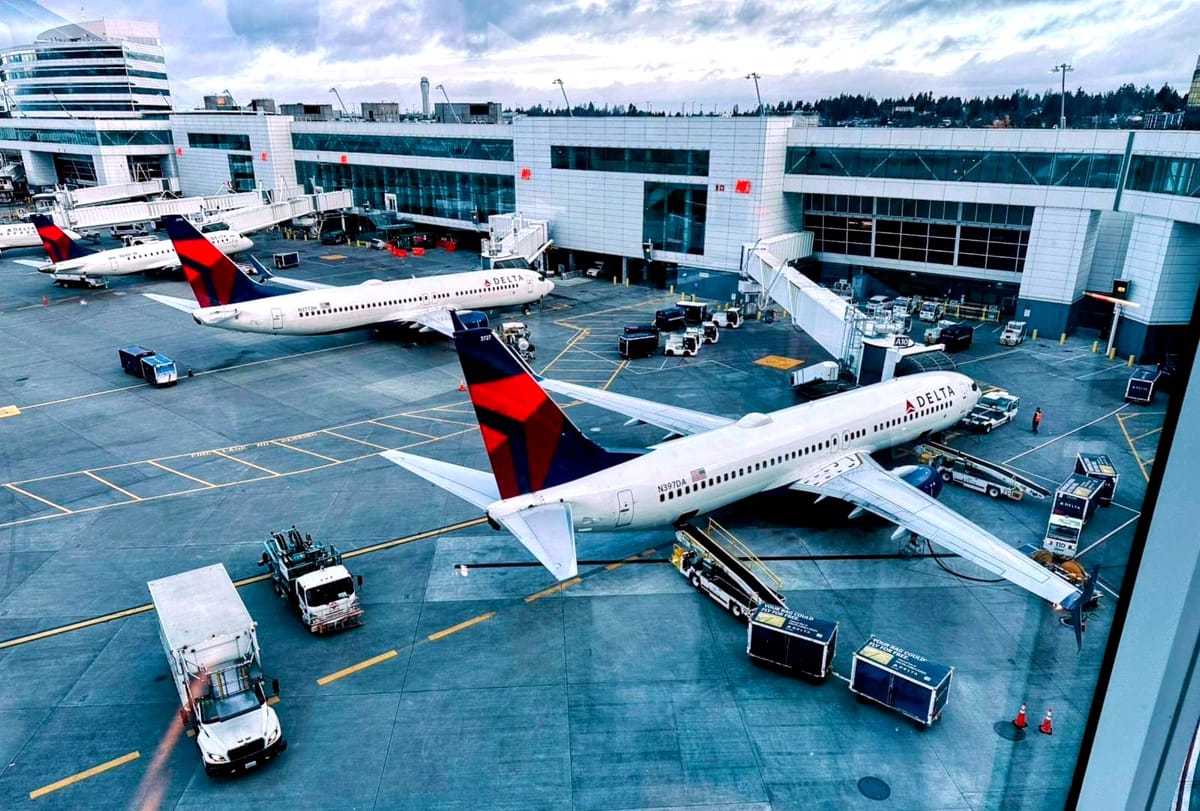
- Delta and Alaska Airlines complete 2024 merger, retiring Airbus A330s as fleet modernization accelerates
- Wing expands drone delivery network to 270 Walmart locations across U.S. by 2026 with AI-optimized logistics
- Otto Aerospace unveils Phantom 3500, a 60% more fuel-efficient business jet with 3,500nm range targeting 2030 certification
- FCC approves 7,500 additional Starlink Gen2 satellites, increasing authorized LEO constellation to 15,000 amid orbital congestion concerns
Delta and Alaska Airlines Retire A330s to Accelerate Fleet Modernization Post-Merger
Alaska Airlines retired its first A330-200 in December 2025, with all 24 aircraft scheduled for removal by 2027. Delta Air Lines, while not formally merging with Alaska, has aligned fleet strategy through a joint procurement forum. Neither carrier operates A330-200s for operational necessity; the phase-out is driven by merger synergies and efficiency targets.
What aircraft are replacing the A330-200s?
Alaska Airlines is replacing A330-200s with Boeing 737-MAX-10s on Pacific inter-island routes and 787-9/10s for long-haul Asia-Europe services. Delta is retiring 58 Boeing 767-300ERs by 2030 and replacing them with Airbus A350-1000s and Boeing 777-9s.
What are the operational and financial impacts?
| Metric | Delta | Alaska | Combined |
|---|---|---|---|
| Annual Fuel Cost Savings | $150M | $100M | $250M |
| CO₂ Reduction | 0.8 Mt/yr | 0.4 Mt/yr | 1.2 Mt/yr |
| Maintenance Hours Reduction | 12% | 10% | 11% avg |
| Fleet Modernization Share | 45% new wide-bodies by 2030 | 45% new narrow-bodies by 2035 | — |
How does joint procurement enhance efficiency?
The Alaska-Delta procurement forum enables bulk purchasing of 737-MAX-10s and A350-1000s, reducing acquisition costs by 3-4%. Shared training for LEAP-1B and Trent 1000 engines lowers maintenance-hour costs by approximately 12% across both fleets.
What future developments are expected?
- Full A330-200 retirement by 2027
- 767-300ER phase-out completed by 2030
- Shared spare-parts pool for LEAP-1B and Trent 1000 engines by 2028–2030
- Pacific hub slot utilization rising from 68% to over 80% by 2029
- Projected RASM uplift of 3–4% on modernized routes
Fleet modernization is now a coordinated, data-driven strategy. The retirement of older wide-bodies is not a response to obsolescence but a targeted reallocation of resources to maximize efficiency, frequency, and environmental performance across a unified network.
Wing to Deliver Drone Packages to 270 Walmart Stores by 2026 Using AI-Optimized Logistics
Approximately 40 million U.S. shoppers will be covered by Wing’s drone delivery network across 270 Walmart locations by the end of 2026. The service is currently operational in 120 pilot markets, including Atlanta, Charlotte, Los Angeles, and Miami, with 150 additional locations scheduled for 2026 expansion.
What role does AI play in the delivery network?
AI-driven logistics optimize flight paths, reducing energy consumption by 12% compared to static routing. Real-time demand forecasting and load-balancing algorithms smooth peak-hour demand, enabling consistent sub-30-minute delivery times. The system integrates with Walmart’s checkout platforms, triggering autonomous dispatches for eligible items.
Is the service free for consumers?
Yes, drone delivery is currently free for consumers through 2026. Monetization is planned post-2026 through subscription tiers and per-order fees. Internal pilots are testing a "Drone-Prime" subscription model offering unlimited sub-30-minute deliveries for a flat monthly fee.
How is the rollout structured?
The expansion follows a staged approach: 120 pilot stores (2023–2025), followed by 150 additional locations in 2026. This phased rollout allows validation of safety, demand patterns, and operational efficiency before scaling. Coverage spans major metropolitan areas and over 100 secondary markets, reducing regional demand volatility.
What are the regulatory and supply chain risks?
Wing operates under FAA Part 107 compliance. U.S.-built drones face no new national-security restrictions, per FCC and DoD determinations in early 2026. Battery component supply chains remain a risk due to reliance on Chinese materials, but domestic assembly and U.S. battery partnerships mitigate exposure.
How does this impact Walmart’s competitive position?
The network strengthens Walmart’s omnichannel strategy by closing the last-mile gap for high-frequency, low-value orders. Delivery data feeds into Walmart’s inventory forecasting, reducing out-of-stock events. The scale of 270 locations creates a defensible moat, outpacing Amazon Prime Air’s limited pilots and raising entry barriers for competitors.
What comes after 2026?
By 2027, Walmart plans to introduce dynamic pricing for peak-hour deliveries and expand the network to 300+ stores, including the Midwest and Pacific Northwest. Integration with Walmart Marketplace will enable third-party seller deliveries. By 2028, Wing may commercialize its AI routing platform as a SaaS offering to other retailers like Target and Kroger.
| Year | Milestone |
|---|---|
| 2026 | 270 stores live; 40M shoppers covered; AI routing efficiency >12% improvement |
| 2027 | Subscription model launched; dynamic pricing pilots begin; network expands to 300+ stores |
| 2028 | AI logistics platform offered as SaaS to other retailers |

Comments ()