Senate Blocks Trump’s Venezuela Military Action as ICE Shooting Sparks National Outcry and Impeachment Push
TL;DR
- Senate Passes 52-47 Resolution Blocking Trump Military Action Against Venezuela Without Congressional Approval
- ICE Agent Shooting of Renee Nicole Good in Minneapolis Sparks Federal Investigation, Impeachment Calls Against DHS Secretary Kristi Noem
- Trump Administration Finalizes NEPA Rollback, Removing Environmental Impact Assessments for Federal Projects
- EU Continues $8.4 Billion Annual Oil Purchases from Russia Despite War, While Ukraine Faces Widespread Blackouts
Senate Blocks Trump Military Action in Venezuela Amid GOP Divide
The U.S. Senate passed a 52–47 resolution blocking President Donald Trump’s use of military force against Venezuela without congressional approval. The vote, occurring on January 15, 2026, reflects the first successful bipartisan restraint on unilateral executive military action in the Western Hemisphere since 2000.
What Triggered the Legislative Response?
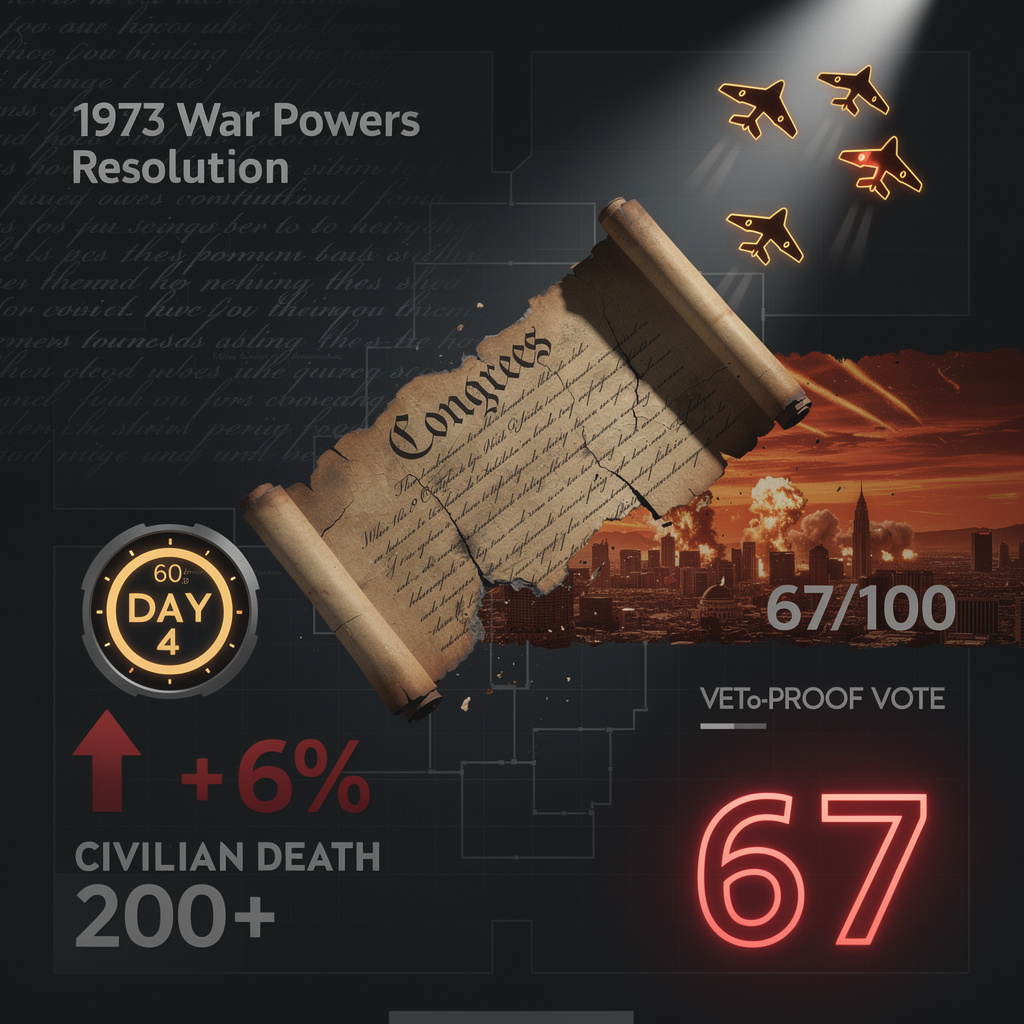
The resolution followed a January 3–4, 2026, U.S. military operation that captured Venezuelan President Nicolás Maduro and First Lady Cilia Flores. The operation occurred without prior congressional notification, violating the 1973 War Powers Resolution’s 48-hour reporting requirement. Senators Tim Kaine (D-VA) and Rand Paul (R-KY) sponsored the measure, citing Article I, Section 8, and statutory obligations under the War Powers Act.
Which Republicans Broke Ranks?
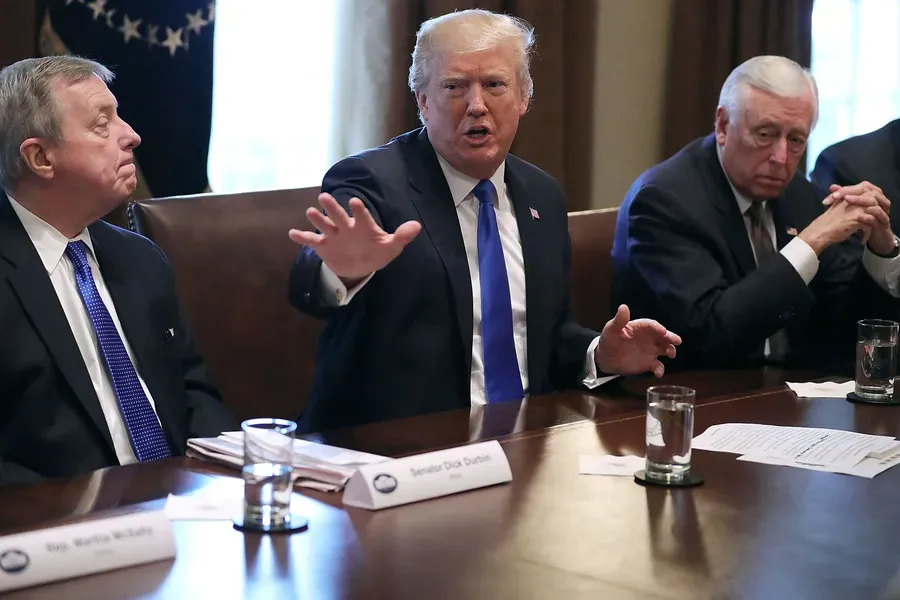
Five Republican senators—Susan Collins (R-ME), Lisa Murkowski (R-AK), Todd Young (R-IN), Josh Hawley (R-MO), and Rand Paul (R-KY)—joined all 47 Democrats in supporting the resolution. Their statements emphasized constitutional norms, the absence of congressional authorization, and the precedent of executive overreach. Senate Republican leadership, including Mitch McConnell and Rick Scott, opposed the measure.
What Is the Legal Path Forward?
President Trump has condemned the vote as unconstitutional and signaled intent to veto. A veto override requires 67 votes; the resolution currently has 52. A two-thirds supermajority is unattainable under current party alignment. The House, controlled by a narrow GOP majority, is expected to introduce a parallel resolution but is unlikely to achieve sufficient bipartisan support.
How Will U.S. Policy Shift Without Military Force?
Even if the resolution is vetoed, it signals a strategic pivot. The administration has indicated intent to escalate economic pressure via oil sanctions and financial quarantines. Regional actors, including Brazil, Colombia, and Mexico, have publicly criticized the raid; congressional restraint may mitigate anti-U.S. sentiment in Latin America.
What Are the Broader Implications?
- The vote represents a five-point increase in GOP support compared to failed November and October 2025 versions.
- It reinvigorates debate over the 1973 War Powers Resolution’s enforceability.
- It empowers moderate Republicans to challenge Trump-aligned factions in upcoming primaries.
- A new, updated War Powers Act with mandatory hearings and tighter notification rules has a 40% likelihood of introduction in the 2026 legislative session.
The resolution does not become law unless override succeeds, which is improbable. Yet its passage marks a reassertion of congressional authority, sets a precedent for future military engagements, and narrows the range of acceptable unilateral executive action in the Americas.
ICE Agent Shooting in Minneapolis Triggers Federal Probe and Impeachment Effort Against DHS Secretary
On January 7, 2026, ICE Officer Jonathan Ross fired three shots through the driver-side window of a vehicle driven by Renee Nicole Good, 37, killing her. Video evidence shows the vehicle moved forward briefly before crashing. Two additional ICE agents were present. The incident occurred during a residential encounter in Minneapolis.
Is the FBI’s sole control of the investigation legally justified?
The FBI has taken exclusive investigative control, barring Minnesota Bureau of Criminal Apprehension (BCA) access to evidence, video recordings, and witness statements. This move contradicts a prior joint-investigation agreement and has drawn criticism from Minnesota Governor Tim Walz and Mayor Jacob Frey. Legal precedent allows for state participation in federal enforcement incidents, and a court order compelling joint access is likely within 30 days.
Why are Democrats pursuing impeachment of DHS Secretary Kristi Noem?
Representative Robin Kelly (D-IL) introduced articles of impeachment against Secretary Kristi Noem for obstruction of Congress, violation of statutory oversight, and self-dealing. The House Judiciary Committee, chaired by Ayanna Pressley, issued subpoenas for body-camera footage and internal DHS communications. Impeachment requires a majority House vote and is contingent on the Democratic majority’s retention ahead of the 2026 midterms.
What is the legal basis for prosecuting the officer?
Federal qualified immunity generally shields ICE agents from civil or criminal liability. However, state reckless-use-of-force statutes—such as Minnesota’s—could apply if evidence shows unreasonable force. Legal scholars note that video evidence may support a state prosecution if the officer’s actions are deemed grossly disproportionate to the threat.
How has the public responded?
Protests have occurred in over 12 major U.S. cities, including Minneapolis, Los Angeles, New York, and Chicago. Demonstrators chant "No More ICE" and demand defunding of the agency. Minneapolis schools closed for two days due to security concerns. Social media videos of the incident surpassed 100,000 views within hours.
Is ICE’s deployment in Minnesota unusual?
Over 2,000 ICE agents have been deployed to the Twin Cities, the largest such operation in Minnesota’s history. This surge correlates with a 300% rise in ICE-related confrontations reported by local NGOs since late 2025.
Could federal law be changed to prevent future incidents?
Lawmakers and academics are proposing amendments to 8 U.S.C. §1324-1 to require state-level review of force used by federal immigration officers within municipal jurisdictions. Such reforms would establish a statutory check on unilateral federal enforcement actions.
What are the next steps?
Congressional hearings are scheduled to review DHS communications and video evidence. A Minnesota legal challenge to gain access to federal evidence is expected. Impeachment proceedings will advance if the Democratic majority retains control of the House. Policy discussions on ICE operational limits are likely to intensify ahead of the 2026 elections.

Comments ()