AI-Driven Productivity Surge Sparks Job Slowdown as Fed Prepares Rate Cuts in 2026

TL;DR
- U.S. labor productivity surges 4.9% annually in Q3 2025 as output rises 5.4% with minimal hours growth, driving record efficiency amid wage inflation slowdown
- Colorado adds 2,700 nonfarm jobs in Oct–Nov 2025 as professional services sector loses 1,500 roles, signaling mixed labor market trends
- ActivateWork hires 400 graduates since 2020 and adds 5,600 jobs in 11 months, highlighting growth in workforce development programs for middle-skill professionals
- Federal workforce shrinks by nearly 220,000 since Jan 2025 as telework hours drop 75% under new on-site mandates, prompting concerns over retention and productivity
- Canada faces looming skilled trades shortage as 700,000 workers retire by 2028, with women comprising only 7.9% of the workforce despite targeted recruitment
- Amazon rolls out manager dashboard tracking office attendance, flagging 'Zero Badgers' with under 4 hours/week on-site to enforce return-to-office compliance
U.S. Labor Productivity Surges 4.9% as AI and Capital Investment Drive Efficiency Without Hiring
Labor productivity rose 4.9% as output increased 5.4% while hours worked grew just 0.5%. The primary drivers were AI-enabled automation and higher capital intensity, reducing labor input per unit of output. Defense, aerospace, and high-tech sectors led gains through machine and software investments.
Why did wage inflation slow despite strong output?
Real hourly compensation fell 0.2%, the first decline since 2020. Wage pressures eased due to AI-induced labor displacement and reduced hiring, with private payrolls adding only 41k jobs in December 2025. Unemployment rose to 4.5%, the highest since 2021, reflecting subdued labor demand.
How are unit labor costs affected?
Unit labor costs declined 1.9%, the largest drop since 2019. This resulted from productivity gains outpacing wage growth. Lower labor costs per unit of output improved corporate margins and reduced inflationary pressure on goods and services.
What is the impact on monetary policy?
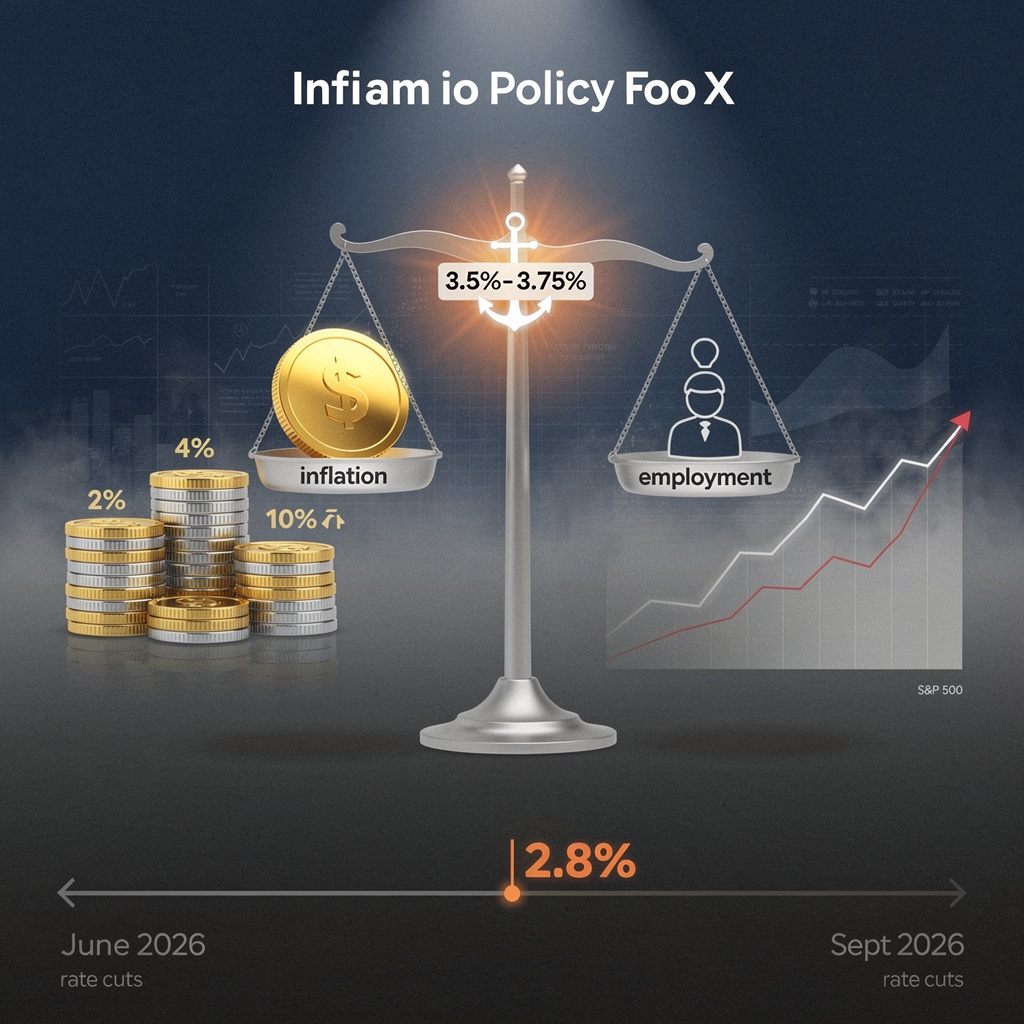
The Federal Reserve is likely to initiate a modest easing cycle in Q1–Q2 2026, with a 50–100 basis point rate cut projected. Inflation remains near 2.7–2.8%, and falling unit labor costs support a transition from restrictive to neutral policy.
How are tariffs influencing productivity?
Tariffs imposed in late 2025 increased import costs, initially dampening capital investment by 15% annually. However, firms offset these costs by accelerating automation and domestic capital adoption, sustaining productivity gains in manufacturing and logistics.
What is the outlook for 2026?
| Metric | Q4 2025 Projection | 2026 Q1–Q2 Trend |
|---|---|---|
| Labor productivity | +3.5% | Gradual decline to ~3% |
| Real hourly compensation | -0.1% | Near-flat, possible modest rise |
| Unit labor costs | -1.2% | Tapering toward zero |
| Unemployment rate | 4.5% | Stabilize at 4.4–4.5% |
| Fed rate cuts | First cut expected | Potential second cut if inflation ≤2.5% |
Productivity gains are expected to moderate as AI diffusion plateaus. Structural job displacement and policy volatility remain key risks to sustained growth.

Comments ()