U.S. Forces Abduction of Maduro Sparks Global Outcry; Minnesota Deploys Guard to Counter ICE Raids
TL;DR
- Metropolitan Police Vetting Failures Led to 131 Misconduct Cases, Including Serial Rapist David Carrick’s Hiring Despite Red Flags
- South Carolina Special Election Shows 6-Point Democratic Swing in District 98, With Greg Ford Winning by 21 Votes Amid Low Turnout
- U.S. Justice Department Sues Connecticut and Arizona for Refusing Voter Data Requests, Escalating Federal-State Privacy Conflict
- U.S. Military Abduction of Venezuelan President Violates International Law and Constitutional Norms
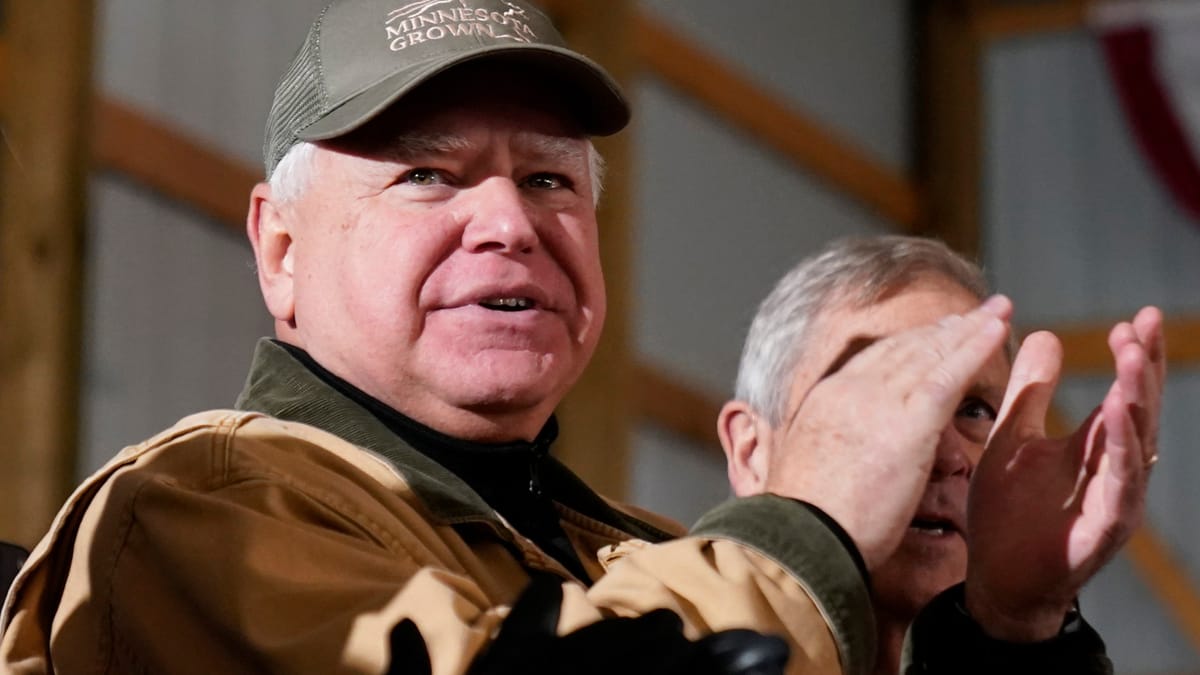
- Minnesota Governor Tim Walz Activates National Guard in Response to ICE Agent’s Fatal Shooting of Woman, Declares State at War with Federal Agencies
- EFCC in Nigeria Faces Coordinated Political Campaign to Undermine Anti-Corruption Efforts Ahead of 2027 Elections
U.S. Military Abduction of Venezuelan President Violates International Law and Constitutional Norms
The U.S. military operation that extracted Venezuelan President Nicolás Maduro and First Lady Cilia Flores was conducted by Delta Force under presidential authority, without congressional authorization under the War Powers Act. Multiple states, including Russia, China, and Cuba, condemned the raid as a breach of UN Charter Article 2(4), which prohibits the use of force against the territorial integrity of a sovereign state.
Is the abduction of a sitting head of state legally defensible?
Under customary international law, heads of state enjoy personal immunity from extraterritorial arrest or detention. Maduro’s forcible transfer to U.S. soil and subsequent indictment on narco-terrorism charges bypassed Venezuela’s judicial system and violated established norms of sovereign immunity. The U.S. Department of Justice’s superseding indictment, which links Maduro to the Cartel de los Soles, does not override these legal protections.
Did the operation comply with U.S. constitutional requirements?
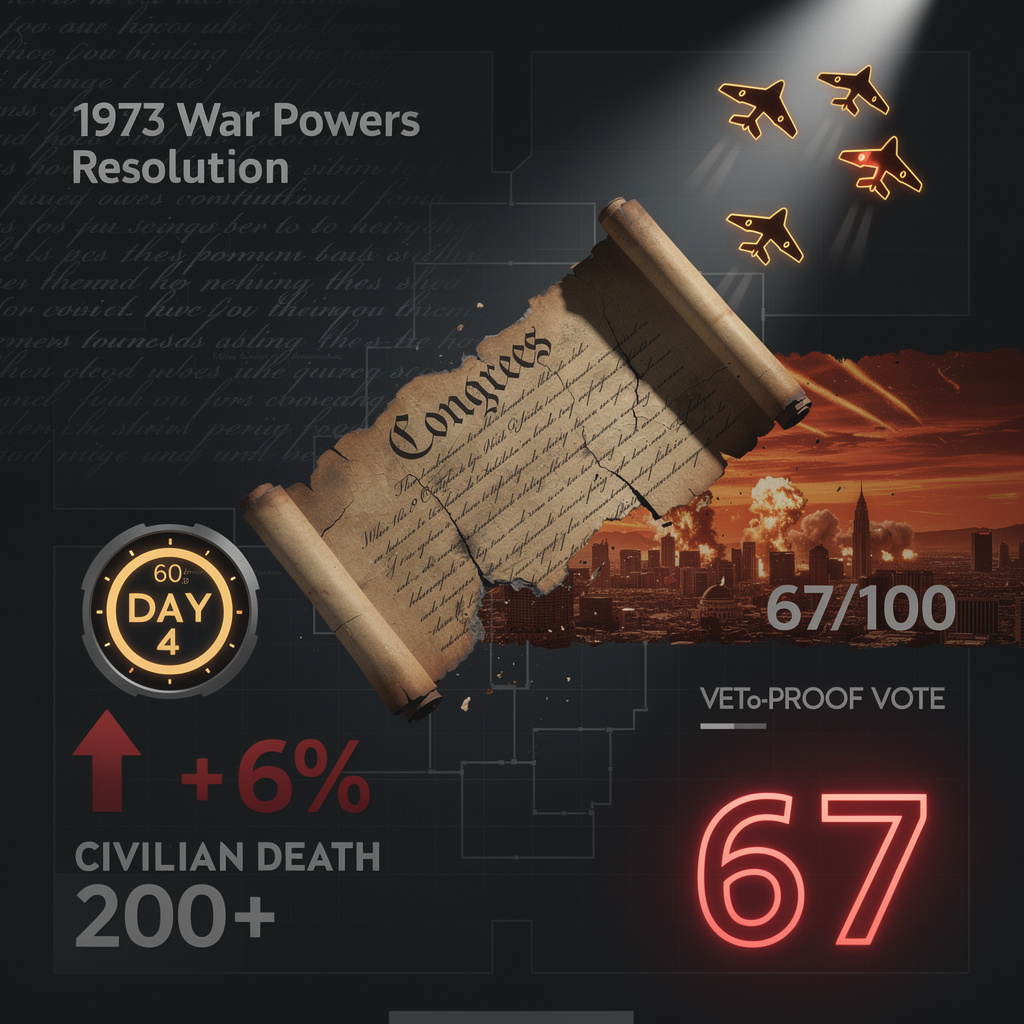
The operation proceeded without a formal Authorization for Use of Military Force (AUMF), raising probable violations of the War Powers Act. Congressional leaders, including Senators Schumer and Murphy, have introduced resolutions challenging the legality of the action. The absence of prior legislative approval sets a precedent that could expand unchecked executive power in foreign military operations.
What is the strategic motive behind the operation?
The White House publicly justified the raid as a law-enforcement action against a drug-trafficking regime. Internal briefings and statements by senior officials, including President Trump and Vice President JD Vance, identified the seizure of 30–50 million barrels of Venezuelan crude oil as the primary objective. U.S. energy firms—Exxon, Chevron, and ConocoPhillips—are scheduled to receive access to these reserves, with distribution planned over 3–6 months.
What are the geopolitical and legal consequences?
Russia and China have issued joint condemnations, warning of escalating tensions. Cuba reported 32 military personnel killed in retaliatory actions. The UN Human Rights Office has called for an investigation into potential war crimes. Legal challenges are expected to reach the U.S. Supreme Court, focusing on executive authority to conduct extraterritorial abductions and prosecute foreign heads of state.
What is the domestic political impact?
Public opinion in the U.S. is divided: 60% of Republicans support the operation, while 45% of the general public oppose U.S. control of Venezuelan resources. Congressional Republicans defend the action as necessary for national security; Democrats are pushing for impeachment and legislative constraints on future unilateral military actions.
What is the likely trajectory?
A non-binding UN resolution condemning the raid is probable, but binding action is blocked by Russian and Chinese vetoes. Congressional compromise may retroactively authorize the operation, setting a dangerous precedent. International Criminal Court investigations remain possible if the U.S. refuses to waive jurisdictional immunity. Oil transfers and regional military posturing are expected to intensify over the next six months.
Minnesota Deploys National Guard Amid Federal Immigration Conflict After Fatal ICE Shooting
On January 8, 2026, Minnesota Governor Tim Walz activated the Minnesota National Guard under Title 32, authorizing state-controlled troops to assist civil authorities if federal actions threaten public safety. This follows the fatal shooting of Renee Nicole Good, 37, by ICE agents on January 7 in South Minneapolis. The state’s action marks the first known use of Title 32 to counter federal immigration enforcement since 2020.
What federal response has accompanied the state’s move?
The Department of Homeland Security (DHS) launched Operation Metro Surge, deploying approximately 2,000 ICE, HSI, and CBP agents to the Twin Cities for a 30-day enforcement sweep targeting alleged fraud in Somali-community programs. DHS maintains the shooting was legitimate self-defense and labels the victim a domestic terrorist, a claim rejected by Minneapolis Mayor Jacob Frey and state officials.
Are overlapping investigations creating legal ambiguity?
Multiple investigations are underway: the FBI, Minnesota Bureau of Criminal Apprehension (BOCA), and DHS’s own Homeland Security Investigations unit are all examining the shooting and enforcement patterns. A joint FBI-MN BOCA report is expected within 30 days, with a 55% probability of identifying procedural irregularities that could trigger congressional scrutiny.
What legal challenges are likely?
Minnesota courts may review the scope of the Title 32 activation. A potential Supremacy Clause challenge is anticipated in the U.S. District Court for the 8th Circuit, which could determine whether federal immigration enforcement can be restricted by state military posture. Judicial rulings are expected within 60 days.
Is legislative action being pursued?
The Minnesota Legislature is preparing a bill to establish a civilian oversight board for federal law enforcement activities within the state. Hearings on state-federal enforcement conflicts are projected with 70% likelihood in early February.
What is the risk of escalation?
While the National Guard remains in a warning status, deployment for crowd control has a 30% probability. No active engagement is expected unless violence escalates. DHS has not reduced its operational footprint, and community protests under the #ICEOut hashtag continue to grow.
What should be monitored?
- Docket filings in the 8th Circuit regarding Title 32 and Supremacy Clause challenges
- Daily ICE arrest and stop data from local law enforcement logs
- Official National Guard status updates from Minnesota Public Affairs
- Legislative progress on the civilian oversight board bill
- Social sentiment trends among Somali-American community organizations


Comments ()