Ukraine Deploys 40+ Ground Drones to Neutralize Russian Cavalry as U.S. Sanctions EANSA Over Iranian Drones in Venezuela
TL;DR
- U.S. Air Force awards Boeing $2B to replace B-52 bombers' TF33 engines with Rolls-Royce F130 turbofans, extending fleet service to 2050s
- Ukraine deploys 40+ domestically produced ground drones to hold defensive lines for weeks, neutralizing Russian horse-mounted assaults with remote-controlled FPV kamikaze systems
- American Airlines expands ORD hub with 29 new destinations including Madrid, Honolulu, and Mexico City, increasing daily departures by 30% in 2026
- South Korea certifies Velis Electro as world’s first nationally regulated electric aircraft, enabling flight training applications with 60-decibel noise profile and 600kg max takeoff weight
- Boeing increases 737 MAX production to 42/month after FAA lift, targeting 47/month by mid-2026 to clear 6,000+ order backlog through 2030
- U.S. sanctions Venezuelan firm Empresa Aeronautica Nacional SA for assembling Iranian Mohajer-6 drones, escalating tensions in Caribbean as U.S. naval presence grows
Ukraine Uses 40+ Domestic Ground Drones to Sustain Defensive Lines and Neutralize Russian Cavalry
How are Ukrainian ground drones extending defensive capabilities?
Over 40 domestically produced ground drone models have been deployed across Ukrainian front-line sectors in 2026, with at least one unit maintaining autonomous control for 45 days without casualties. These platforms provide continuous fire support, integrate 12.7mm Browning M2 machine guns, and operate alongside FPV kamikaze drones to neutralize Russian horse-mounted units.
What tactical advantage do ground drones provide?
Ground drones enable static defense without infantry rotation, reducing exposure to enemy fire. The combination of persistent robotic occupation and precision FPV strikes disrupts Russian cavalry assaults, which were reintroduced to exploit open terrain gaps caused by fuel shortages. Multiple cavalry squads have been neutralized, with some units retreating or surrendering after sustained drone engagement.
How is Ukraine scaling its drone operations?
A dedicated training program, "Magyar," has recruited 10,000 new drone operators trained in remote navigation, sensor fusion, and autonomous fire control. This cadre supports the maintenance and expansion of a diverse fleet of ground drones, each optimized for reconnaissance, fire support, or breaching tasks.
What does this reveal about Ukraine’s industrial capacity?
The rapid fielding of over 40 distinct drone models indicates a mature domestic production pipeline capable of delivering new variants monthly. This contrasts with reliance on foreign suppliers and demonstrates an indigenous ability to iterate, adapt, and scale under wartime conditions.
What are the strategic implications?
Ukraine has developed a layered autonomous warfare system: ground drones secure terrain, while FPV drones deliver kinetic effects. This reduces human risk, conserves manpower, and forces adversaries to adapt. Russia’s use of cavalry highlights its tactical improvisation under resource constraints, but its vulnerability to precision autonomous systems is now evident.
What developments are expected in 2026–2027?
- Q1–Q2 2026: Expansion of ground drone deployments to additional fronts, including Pokrovsk, with introduction of automated resupply drones.
- 2026–2027: Integration of 30mm autocannons and AI-assisted target discrimination to enhance engagement range and reduce collateral damage.
- 2027+: Deployment of swarm-coordinated ground drone formations for synchronized terrain denial and offensive breaching.
The success of this program may influence global military doctrine, particularly for nations facing manpower shortages or asymmetric threats.
U.S. Sanctions Venezuelan Drone Firm as Carrier Deployment Escalates Caribbean Tensions
Why is the U.S. targeting Empresa Aeronautica Nacional SA?
The U.S. Treasury designated Empresa Aeronautica Nacional SA (EANSA) on January 1, 2026, for assembling Iranian Mohajer-6 drones. The firm is linked to a decade-long Iran-Venezuela UAV partnership. A photograph confirmed operational deployment of the Mohajer-6 at El Libertador Air Base. The drone’s 2,200-kilometer range places U.S. coastal infrastructure, including southern Florida, within potential striking distance.
How does the naval deployment relate to the sanctions?
On the same day, the USS Gerald R. Ford (CVN-78) was redirected to the Caribbean, marking the first U.S. carrier strike group presence in the region since 2020. The deployment supports a multidimensional pressure strategy: economic isolation of EANSA is paired with kinetic readiness. The carrier enables rapid response to maritime threats and signals deterrence to regional actors.
What is the connection between oil sanctions and drone funding?
On December 30, 2025, the U.S. expanded sanctions to four Venezuelan oil-sector firms and four tankers, including Nord Star and Lunar Tide. These measures target oil revenue streams that finance EANSA’s drone assembly. The linkage creates a dual-track approach: cutting off both the supply of drone components and the financial means to produce them.
How are counter-narcotics operations tied to drone proliferation concerns?
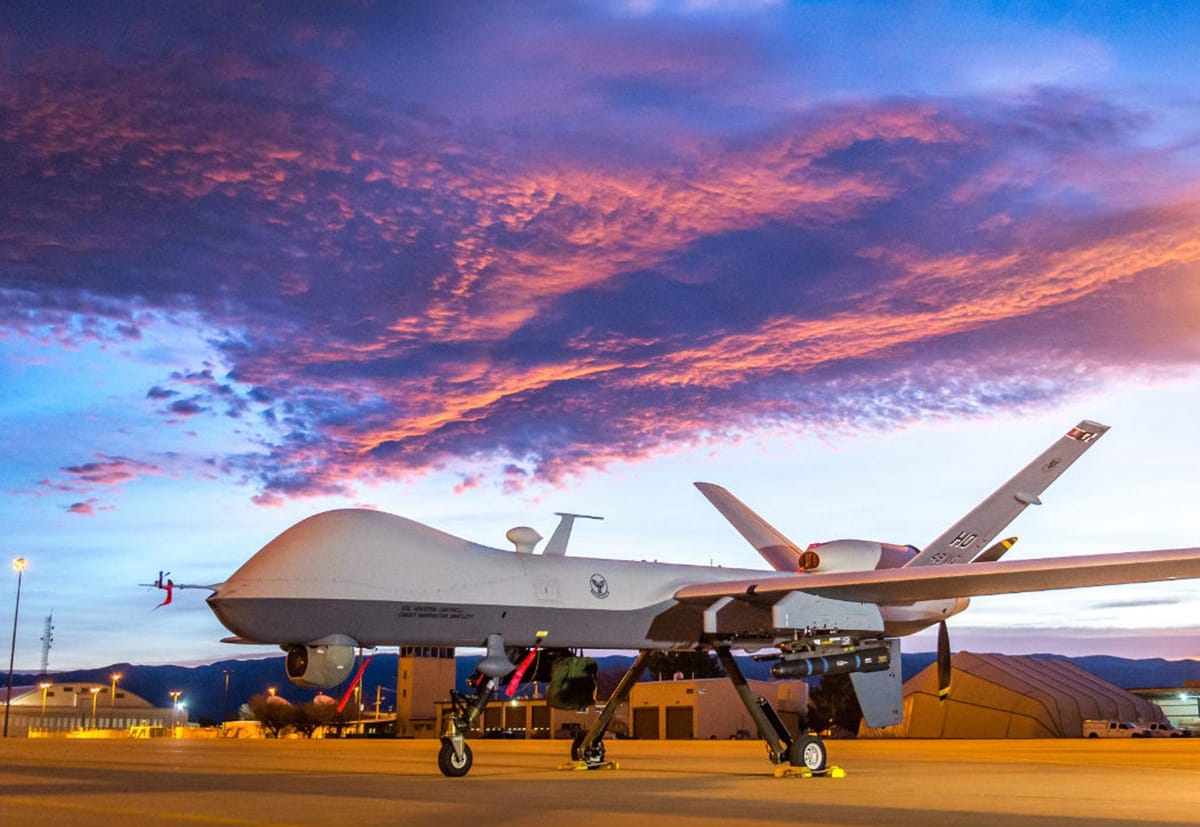
Southern Command reported 35 interdictions of drug-smuggling vessels in the Caribbean and Eastern Pacific since September 2025, resulting in over 115 deaths. U.S. assets used for these operations—such as MQ-9 Reapers—are also employed to monitor drone logistics. A December 29, 2025, CIA-reported strike on a cartel dock underscores the blending of counter-narcotics and counter-proliferation missions under a unified security framework.
What are the risks of escalation?
The U.S. is likely to increase maritime interdictions of vessels suspected of transporting drone parts or oil-funded shipments. Secondary sanctions on third-party logistics firms, particularly Chinese-linked tankers, are probable. The presence of U.S. carriers and F-35s raises the risk of incidents with non-U.S. naval forces operating near Venezuelan waters. A kinetic strike on drone facilities remains possible if sanctions fail to disrupt production.
Is diplomatic resolution possible?
A negotiated settlement is unlikely under current trajectories. While the U.S. has framed the issue within narco-terrorism to justify domestic legal authority, Iran and Venezuela show no indication of halting cooperation. Regional states like Colombia and Guyana may seek joint patrols, but no multilateral mediation has been initiated.
What is the likely outcome in the next quarter?
Incremental interdictions, targeted cyber-disruptions of EANSA’s supply chain, and secondary sanctions on logistics entities are expected. The carrier’s presence ensures U.S. operational flexibility, while economic pressure on Maduro’s regime may deepen internal instability without triggering diplomatic concessions.

Comments ()