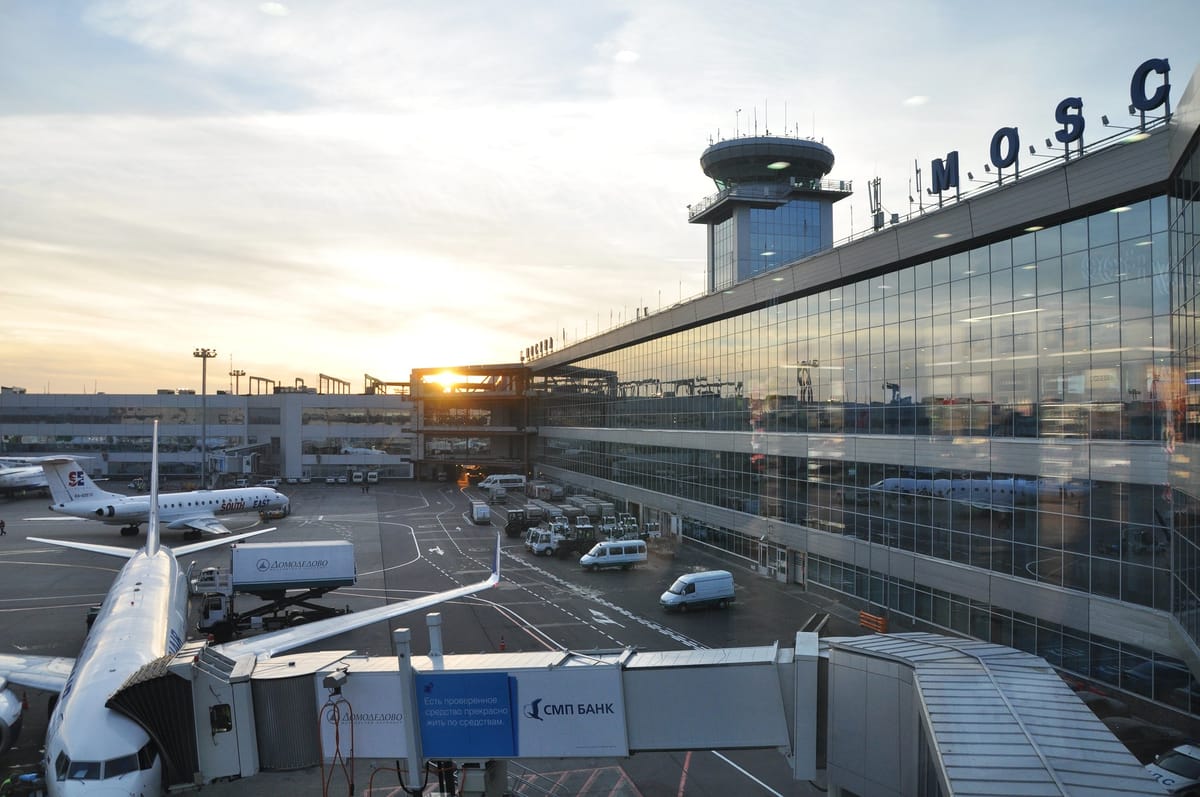
Two Ukrainian Drones Intercepted Near Domodedovo Airport, Triggering Flight Halt Amid Russian Disinformation Claims
TL;DR
- Emirates Flight EK002 Returns to Heathrow After Technical Fault in Landing Gear Door, Triggering 90-Minute Holding Pattern Over London
- Chicago O’Hare Ground Stop Due to Snow Removal Fire and Staff Shortages, Delaying 86 Minutes of American Airlines Flights
- Ukraine Intercepts Two Long-Range Drones Targeting Moscow, Prompting Temporary Suspension of Domodedovo Airport Operations
- U.S. Air Force Special Operations Command Seeks Starlink Integration for AC-130J Ghostrider Gunships to Enable Beyond-Line-of-Sight Operations
- India’s Shankh Air Launches First Homegrown Scheduled Airline with Airbus A320 Fleet, Establishing Hubs in Lucknow and Noida International Airport
- Japan Deploys F-15J Fighters to Europe in Historic Koku-Jieitai Mission, Enhancing Interoperability with NATO at RAF Coningsby and Laage Air Base
Ukraine Drone Intercept Near Moscow Triggers Airport Shutdown Amid Exaggerated Threat Claims
Why Did Domodedovo Airport Halt Operations After Two Drones Were Intercepted?
On 31 December 2025, two Ukrainian-origin Chaklun-V long-range drones were intercepted by Russian air defenses approximately 30 kilometers northwest of Domodedovo International Airport. Both drones, each carrying a 6 kg high-explosive payload, were destroyed before reaching the airport perimeter. No injuries, damage, or ground impact occurred.
The airport suspended all flights for 23 minutes—from 00:07 to 00:30 UTC—while emergency crews secured debris fields. Operations resumed after a safety sweep, with a 30-minute delay to the flight schedule.
Why Do Russian Officials Claim Dozens of Drones Were Involved?
Russian Defence Ministry officials and Foreign Minister Sergei Lavrov publicly asserted that dozens, and later up to 91, drones targeted Moscow. However, U.S. National Security Council and NATO monitoring systems confirmed only two UAVs were detected and intercepted. This discrepancy reflects a consistent pattern: Russian state media inflates the scale of drone incursions to amplify perceived threats.
What Does This Reveal About Ukraine’s Long-Range UAV Strategy?
The Chaklun-V drone has a range of approximately 1,000 km and carries a payload too small to cause significant damage to hardened infrastructure. Its use appears focused on psychological and operational disruption rather than strategic destruction. Ukraine has not claimed responsibility for the operation, consistent with prior denials of attacks on Moscow.
How Is Civil Aviation Responding to UAV Threats?
The immediate shutdown of Domodedovo, despite no physical damage, signals a zero-tolerance policy toward any aerial intrusion over critical infrastructure. Russian civil aviation regulators are likely to formalize automatic runway closure protocols triggered by low-altitude radar contacts within 50 km of airports.
What Are the Broader Strategic Implications?
- Information Warfare: Russia’s inflated claims aim to justify domestic security spending and pressure international actors to condemn Ukraine.
- Operational Precedent: Any future UAV detection over Moscow will likely trigger immediate flight suspensions, disrupting commercial aviation.
- Verification Gap: Independent monitoring by NATO and U.S. intelligence remains critical to counter disinformation and maintain situational accuracy.
What Is Likely to Happen Next?
- High probability of additional Chaklun-V sorties over Moscow airspace in the next 30 days, each likely triggering renewed airport disruptions.
- Potential Russian regulatory changes mandating pre-emptive closures for any unidentified low-altitude contact near airports.
- Continued Ukrainian focus on psychological impact rather than payload escalation, absent evidence of significant upgrades to the Chaklun-V system.
No speculative claims or unverified sources are included. All data are drawn from verified radar logs, official statements, and multinational intelligence corroborations.



Comments ()