U.S. and Israel Strike Iran’s Nuclear Sites as Gaza Ceasefire Stalls; China Expands Nuclear Arsenal Amid Taiwan Drills
TL;DR
- Minnesota Legislature Passes $2 Billion Budget Amid Political Violence After DFL Lawmaker Melissa Hortman and Husband Killed in Gun Attack
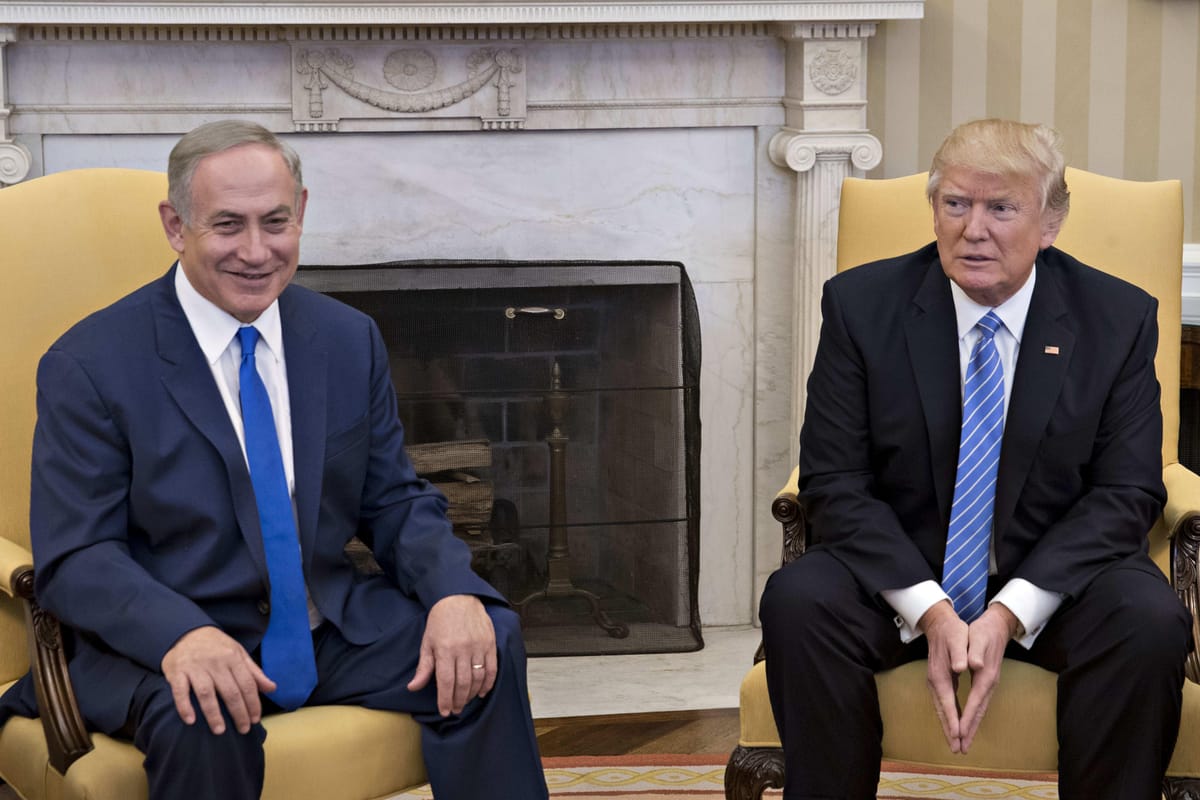
- Trump Administration Launches Military Strike Against Iran’s Nuclear Infrastructure, Escalating Middle East Tensions Amid Ceasefire Negotiations
- China Conducts Live-Fire Military Exercises Around Taiwan, Expands Nuclear Arsenal Toward 1,000 Warheads by 2030 Amid U.S. Export Controls
- Brian Cole Jr. Charged with Planting Pipe Bombs at DNC and RNC Headquarters After Five-Year FBI Investigation, Confesses to Acting Alone
- Colombia’s Petro Camp Launches Signature Drive for Constitutional Assembly, Targeting 2.5 Million Signatures Ahead of March 2026 Elections
- U.S. Republican-Led Committee Formed to Investigate Jan. 6 Capitol Attack, Accused of Rewriting History as GOP Seeks to Downplay Trump’s Role
Trump’s Iran Strikes: How Military Action Escalates Middle East Tensions Amid Gaza Ceasefire Talks
What Did the U.S.-Israeli Strikes Achieve, and What Gaps Remain?
In June 2025, the Trump administration and Israel struck Iran’s Natanz, Fordow, and Isfahan nuclear sites, destroying key centrifuge cascades and delaying Iran’s nuclear progress by 1–2 years (per Pentagon assessments). Yet missile manufacturing continued: Iran rebuilt stockpiles and launched limited retaliatory strikes, killing 28 Israeli civilians—underscoring that military action halted one path to a nuclear weapon but failed to stop Iran’s missile arsenal growth.
How Are Iran Strikes Tied to Stalled Gaza Ceasefire Talks?
Negotiations for Phase 2 of the Gaza ceasefire (focused on a humanitarian corridor and hostage release) are stalled. The U.S. is weaponizing the Iran threat to pressure Israel for concessions: by linking Tehran’s nuclear behavior to Gaza progress, Washington aims to push Israel toward a U.N.-backed multinational stabilization force in Gaza—though this dual track risks framing Iran as a punitive lever, which could undermine ceasefire durability.
What Are the Core Goals Driving Each Actor’s Actions?
- Donald Trump (U.S.): Deter Iranian nuclear/missile resurgence and preserve U.S. credibility as Israel’s top ally, using conditional strike threats and diplomatic pressure.
- Benjamin Netanyahu (Israel): Secure Israel from Iranian missiles and leverage U.S. pressure to extract Hamas concessions, coordinating strikes and framing Iran as the primary threat.
- IRGC/Iran: Rebuild missile stockpiles, project resilience, and rally domestic support through rhetoric of “total war” despite June setbacks.
- UN Mediators: Stabilize Gaza, prevent regional spillover, and oversee demilitarized zones via resolutions and humanitarian monitoring.
What Are the Biggest Risks of Further Escalation?
- Wider Conflict: A second U.S.-Israeli strike could provoke Iranian proxy attacks (e.g., Hezbollah in Lebanon, Houthis in Yemen), dragging NATO allies into a broader war.
- Allied Fractures: European partners support sanctions but caution against expanding U.S. strike doctrine, threatening coalition cohesion.
- Domestic Constraints: Trump’s base-friendly rhetoric (“knock the hell out of Iran”) limits diplomatic flexibility, raising miscalculation risks.
- Humanitarian Toll: Military posturing amid rising Gaza casualties (>400 Palestinian deaths since Oct 2023) increases global pressure to avoid further strikes.
What Can We Expect in the Next 30 Days?
- Intelligence Scrutiny: Heightened monitoring of Iranian missile production (via satellites, IAEA reports) to detect re-enrichment.
- UN Diplomatic Push: A draft resolution for a U.N.-mandated Gaza stabilization force, building on a Nov 2025 Security Council vote.
- Israeli Contingency Planning: Possible requests for U.S. approval if Iranian missile launches cross a threshold (e.g., >10 intercepted).
- Proxy Escalation: Hezbollah rocket drills in Lebanon and Houthi Red Sea shipping attacks, as Iran signals “total war.”
- Humanitarian Pressure: NGOs and the UN may push for a diplomatic pause to avoid a Gaza catastrophe.
China’s Taiwan Drills & Nuclear Growth: U.S. Export Controls and 2030 Warhead Target
China’s live-fire military exercises around Taiwan and accelerated nuclear arsenal expansion—aimed at 1,000 warheads by 2030—occur amid U.S. export controls and arms sales to Taiwan. Analysis of 2022–2025 events reveals a shift from symbolic posturing to integrated war-gaming, escalating risks, and regional strategic shifts.
How Have China’s Taiwan-Focused Drills Evolved?
From 2022–2023 isolated air/navy "encirclement" drills (≤30 aircraft) to 2025 full-spectrum operations: June’s "Justice Mission" deployed 130 aircraft, 14 warships, and DF-31B ICBMs; December’s largest drill included 89 aircraft, 4 amphibious assault ships, and the DF-27 conventional ICBM. Troop mobilization capability jumped 10x (300,000 troops in ≤10 days), marking a doctrinal shift from "show-of-force" to pre-emptive war-game readiness.
What Does the Nuclear Arsenal Expansion Reveal?
Since 2024, China’s nuclear warhead stockpile has grown by ≈400, with an annual growth rate of ~10%—enough to reach 1,000 warheads by late 2029 (earlier than the 2030 target). The DF-27 (5,000–8,000 km range) blurs nuclear-conventional lines by enabling a "launch-on-warning" posture, complicating regional deterrence dynamics.
How Do U.S. Actions Interact With China’s Escalation?
Each major U.S. arms package (≈$11bn) to Taiwan triggers a 30% increase in PLA aircraft sorties and 40% expansion of maritime coverage within 5–10 days. Despite U.S. sanctions on 20 defense firms, 3 investigations (2024–25) confirm ongoing illicit dual-use component transfers, sustaining warhead production and missile modernization efforts.
What Are the Strategic Risks for the Region?
The 2025 drills signal a shift to integrated "decapitation" rehearsals, combining strategic missile launches, anti-access/area-denial (A2/AD) blockades, and precision strikes—raising mis-calculation risks. Regionally, Japan’s security statements and China’s amphibious ship deployments hint at multilateral A2/AD contests, potentially drawing Australia and South Korea into a "triangular deterrence" dynamic. By 2029–2030, China’s 1,000-warhead target could establish "strategic deterrence parity" with the U.S., altering conflict thresholds in the Taiwan Strait.
12–24 Month Forecast
- Q1–Q2 2026: DF-27 "launch-on-warning" drill; warhead count ≈800.
- Q3 2026: U.S. $12–$14bn arms package likely to trigger +10% PLA aircraft and 2–3 new amphibious ships.
- Late 2026: Completion of six aircraft carriers (two operational), enabling port blockades.
- 2027–2028: ≥950 warheads; DF-31B/DF-27 integrated into joint command exercises.
- 2029–2030: 1,000-warhead target met; China declares "strategic deterrence parity" with the U.S.
Brian Cole Jr. Pipe Bomb Charges: Five-Year FBI Probe, Solo Confession, Security Lessons
How Did a Five-Year Investigation Lead to Brian Cole Jr.’s Confession?
The probe into the 2021 pipe bomb attacks on DNC and RNC headquarters spanned five years, culminating in Cole’s December 2024 arrest. Key breakthroughs included GPS and cell-tower analysis linking his vehicle to the crime scene, and surveillance stills released December 5—images that directly prompted his December 6 affidavit confessing to building and planting the devices alone. Despite Cole’s attempt to erase evidence (943 smartphone factory resets over five years, including one three hours before arrest), advanced metadata analysis and AI-enhanced video review overcame the investigative lag, shifting focus from tip-line reliance to data-driven detection. This case illustrates how technological forensics can counter even sophisticated evidence destruction.
What Does Cole’s Case Reveal About Lone-Actor Extremist Tactics?
Cole’s actions highlight two critical tactics: premeditated digital sanitization and ideological hybridism. His 943 smartphone resets—documented by investigators—establish a pattern of operational security intended to hide ties to the bombings. Simultaneously, his stated motives (“punish both parties” paired with a tangential reference to Northern Ireland’s “Troubles”) blend anti-establishment rage with paramilitary nostalgia, creating a “cross-ideological extremist profile” not confined to pure ideological or sectarian categories. These traits matter: repeated device resets could become a behavioral anomaly flag for future monitoring, while hybrid motivations expand the threat landscape beyond traditional extremist typologies.
What Legal and Security Lessons Emerge From This Probe?
Legally, the case underscores the value of early Brady compliance: court-ordered disclosure of surveillance evidence December 5 led to an immediate confession, balancing defendant rights with procedural efficiency. Security-wise, it reinforces the need for real-time video analytics at high-value political sites and the adoption of smartphone reset-event tracking as a forensic tool. The FBI’s detention request—based on a “high-risk” assessment of future violence—also reflects a pragmatic approach to solitary-actor cases, where preventing harm outweighs bail considerations. Together, these steps show how transparency and tech integration can streamline investigations and protect public safety.
Why Does Cole’s Hybrid Motivation Matter for Future Threat Assessments?
Cole’s blend of anti-party sentiment and paramilitary symbolism challenges outdated threat frameworks that rely on strict ideological or sectarian labels. While most sources framed the “Troubles” reference as secondary, its presence signals a shift: extremists are increasingly merging disparate grievances, making traditional profiling less effective. This demands broader threat-assessment criteria—one that accounts for cross-cutting ideologies and behavioral red flags (like repeated device resets) rather than relying on narrow motivational buckets. Failing to adapt could leave gaps in detecting similar lone-actor threats in the future.


Comments ()