US Congress probes Caribbean drone attacks on narcoterrorist vessels

TL;DR
- US Congress investigates Caribbean drone attacks targeting narcoterrorist vessels, raising legal scrutiny.
- National Guard shooting in Washington DC triggers extensive investigation and policy overhaul.
- ACUS issues transparency and fairness recommendations for federal agency investigations, prompting procedural reforms.
Congressional Scrutiny of Caribbean Drone Strikes Raises Legal Alarm
Operational Snapshot
- 2 Sep 2025 – Primary drone missile strike on a vessel tied to narcoterrorist networks; 11 designated terrorists killed, two survivors rescued.
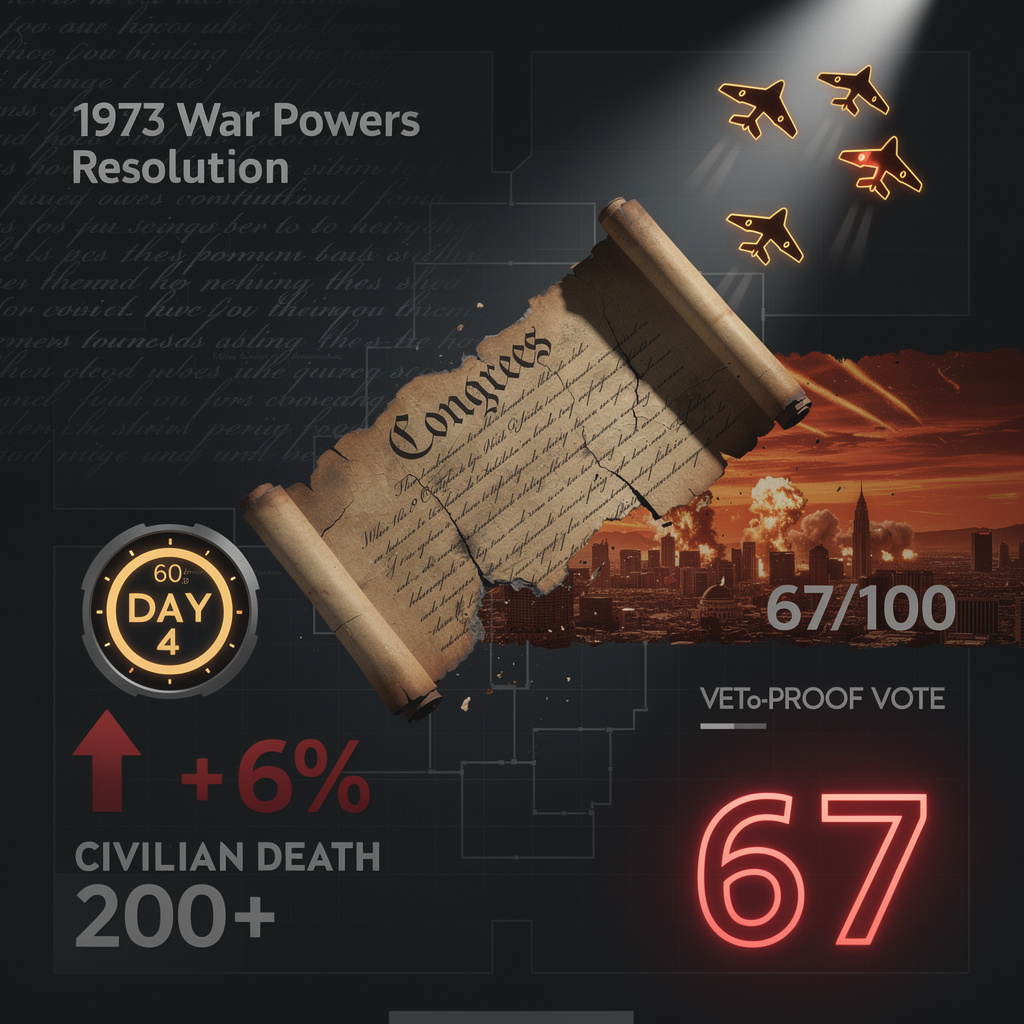
- Hours later – Secondary strike on survivors clinging to wreckage; casualty estimates rise to 70 + , bringing total fatalities to at least 83.
- Sep – Nov 2025 – Continued drone sorties in the Caribbean and eastern Pacific; no public after‑action reports released.
Legal Framework
- Domestic statute 18 U.S.C. § 2387 criminalizes orders that undermine the loyalty or morale of armed forces; “kill everybody” directives may fall within this scope.
- International humanitarian law (LOAC) requires distinction, proportionality and protection of persons hors de combat; targeting wounded survivors on a disabled vessel contravenes Article 3 of the Geneva Conventions.
- Potential war‑crime classification if intent to kill non‑combatants is established, per existing Senate commentary.
Congressional Response
- Senate Armed Services Committee (ranking member Sen. Mark Kelly) – Requested DOJ review; public hearing slated for Q1 2026.
- House Armed Services Committee (Chair Rep. Mike Rogers) – Issued joint statement and activated subpoena authority for Department of Defense records.
- Bipartisan group of six Democrats (including Rep. Seth Moulton, Sen. Tim Kaine) – Filed letters demanding accountability and warned service members about illegal orders.
- Oversight subcommittees (Chairs Rep. Mike Turner, Rep. Adam Smith) – Requested rules‑of‑engagement documentation and after‑action assessments; documents under review.
Emerging Trends
- U.S. carrier‑based drone sortie rates in the Caribbean have increased, indicating a shift toward persistent counter‑narcotics airpower.
- Policy statements from the administration emphasize airspace denial, while congressional leaders call for operational restraint, suggesting a developing policy rift.
- Current investigations may establish precedent for authorizing secondary strikes, influencing future counter‑narcotics missions.
Predictive Outlook (2026‑2027)
- Q1 2026 – Senate hearing on September 2025 strikes; possible DOJ referral.
- Q2 2026 – Release of Department of Defense after‑action reports; likely amendment of rules of engagement for secondary engagements.
- Late 2026 – Legislative proposal to codify limits on follow‑on strikes against non‑combatants in counter‑narcotics operations.
- 2027 – Potential prosecution of senior officers if evidence confirms unlawful orders.

Comments ()