VW caps EV charging to 80 percent on 104,000 cars amid overheating recalls
VW Group is capping EV charging to 80 percent on over 104,000 vehicles worldwide after a series of recalls linked to overheating and fire risk. The move forces owners to reduce usable range and halts service until batteries are inspected or replaced.

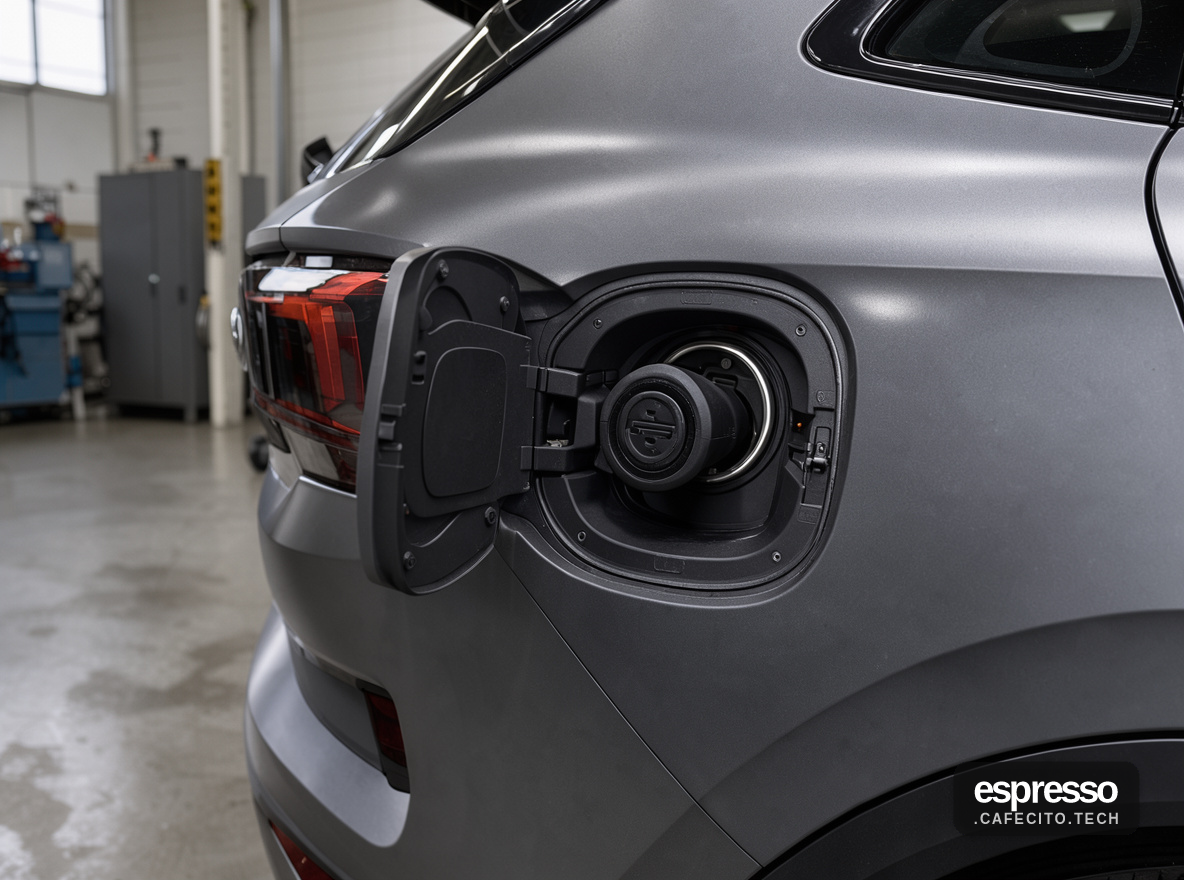
Volkswagen Group has capped charging to 80 percent on roughly 104,000 electric vehicles worldwide and is inspecting or replacing high‑voltage batteries. The move follows a series of recalls tied to overheating risk and potential fires. What stands out to me is that this isn’t just a hiccup in a few cars—it’s a broad, group‑wide intervention that forces a change in how these vehicles are used and serviced.
The recalls span ID.3, ID.4, ID.7, ID. Buzz, and Cupra Born models in the U.S. and Germany, with a separate UK recall covering about 5,000 vehicles. Letters to owners in the U.S. are dated November 27, 2026. That’s a lot of cars suddenly operating with a reduced usable range. I’d read that as a structural safety shift rather than a one‑off glitch.
How the safeguards broke
Here’s the chain I’d trace:
- Operating condition: Owners charge beyond 80 percent of the battery’s nominal capacity.
- Failed safeguard: The existing thermal‑management system is not detecting or containing the early over‑heat condition.
- Resulting effect: Cells overheat, increasing the risk of a thermal runaway event—fire, potential injury, and significant property damage.
- Human or system response: The remedy has been to cap charging at 80 percent via over‑the‑air updates, force inspections, and, in some cases, replace the entire battery pack.
- Consequence: Drivers lose up to about 70 miles of usable range, vehicles sit at dealerships or service centers, and owners face inconvenience and reduced accessibility.
What’s troubling is that the condition (charging above 80 percent) is something most EV owners do regularly to maximize range. The system should have been able to handle that safely. Instead, the safety assumption—that the battery management system would keep the pack within a safe temperature envelope—has been broken for a sizable portion of the fleet.
Scale of the recall and what it means
The scope is pretty staggering. The earliest reports mention roughly 73,000 EVs in the U.S. and Germany, and the latest tally pushes that to over 104,000 vehicles worldwide. That includes:
- ID.3, ID.4, ID.7, ID. Buzz (MPV), and Cupra Born across Europe and the U.S.
- Audi Q4 e‑tron, which has now been added to the recall list.
- Some 5,000 of these vehicles in the UK alone.
The impact is both immediate and long‑term. Immediately, owners are forced to charge to only 80 percent, which reduces effective range and means planning around shorter trips. The vehicles are essentially grounded until a fix—either a battery replacement or a verified repair—can be applied. That downtime can be weeks, depending on parts availability and dealer workload.
Longer term, the recall forces VW Group to rethink its battery‑management strategy and supply chain. If the same supplier or design is being used across multiple brands (VW, Audi, Cupra), this points to a systemic issue rather than an isolated manufacturing glitch. The fact that the same problem shows up in different markets and models suggests the root cause may be in the cell design, the pack integration, or the thermal‑management algorithm.
Response and what’s next
VW has rolled out over‑the‑air updates that enforce an 80‑percent charging cap, and written notices have been mailed to owners. The next steps are inspections, verification using VINs, and, where necessary, battery replacement. The company says the charging limit will be lifted once the batteries are certified safe, but a timeline is still unspecified.
What I’m not sure about is how long that certification will take. Battery packs are expensive and not trivial to replace, especially in volume. If the fix requires swapping cells or entire packs, supply chain bottlenecks could delay the process. On the other hand, if the issue can be addressed with a software tweak or a modified charging algorithm, the timeline might be shorter.
There’s also the question of whether the 80‑percent cap is a permanent workaround or a temporary measure. The recall documents suggest that owners will have to keep charging to 80 percent until a permanent fix is found, which means the fleet will operate at reduced range for an unknown period. That’s a significant operational hit for both drivers and the company.
A conditional outlook
The most likely next milestone is a revised charging algorithm or a battery‑pack redesign that eliminates the overheating risk. Until then, the 80‑percent cap will remain in place, and inspections will continue. If the problem is limited to a specific batch of cells or a particular production run, the recall could be narrowed over time. But if the issue is more fundamental—say, a flaw in the cell chemistry or the thermal‑management design—the recall could expand further, and the fix could take longer than current estimates suggest.
What we do know for sure is that this isn’t just a recall—it’s a structural change in how VW Group’s EVs are used and serviced. The company is essentially admitting that a large portion of its fleet cannot be trusted to charge safely at full capacity, at least until a more durable fix is in place. That’s a big deal for both VW and the broader EV market.