Colombian rebels use guided drones to kill three soldiers in Santa Rosa del Sur strike
Colombian rebels have used guided and swarming drones to attack military bases, killing at least three soldiers and wounding 47 in the Santa Rosa del Sur strike. The government is rushing countermeasures, but a new anti-drone system is months away.

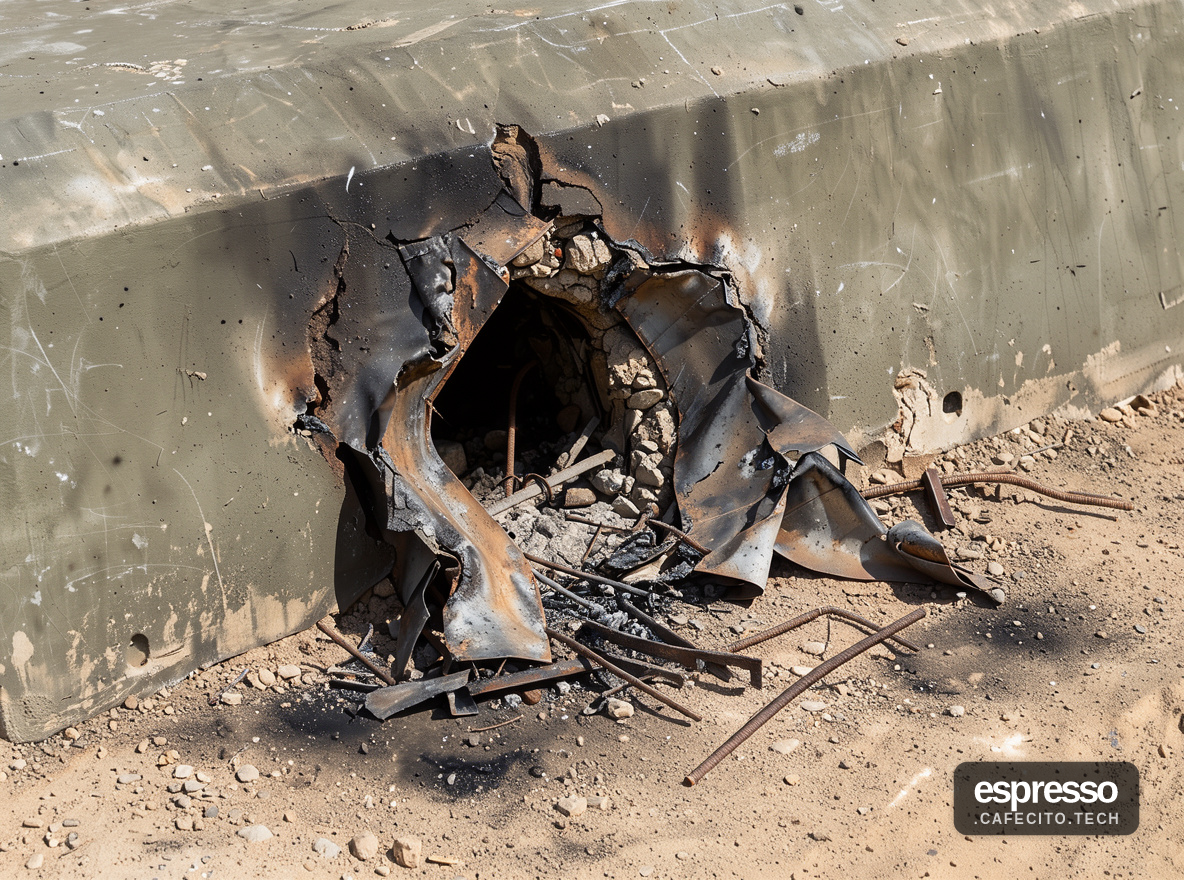
A drone strike on November 7 killed three soldiers and wounded at least 16 at a Colombian Army compound in Santa Rosa del Sur, while rebels have carried out more than 400 drone attacks this year. The National Liberation Army and other armed groups are using small, guided UAVs to hit bases, exposing gaps between detection and defense and forcing the state to rush new countermeasures.
How the attacks work
Armed groups are not using toy drones. They mount explosives on small UAVs and guide them with fiber optics or preprogrammed paths. A September swarm assault on a military post near Ocana used at least 20 drones at once, overwhelming defenses and even hitting a Colombian Air Force helicopter. Colombia recorded 418 drone incidents in 2026, a 125 percent jump from 2025, with commercial drones from China increasingly available.
What the damage looks like
Beyond military losses, the Santa Rosa del Sur strike injured 16 soldiers severely and 31 others, including civilians. Nearby communities now live in fear of aerial surveillance and strikes. Soldiers are dying in coordinated swarms that can hit multiple targets in minutes, leaving bases vulnerable even when detection systems are in place. The government says ELN leader Leivis Enrique Valero Castillo, also known as “Carrito,” was arrested in October, but rebels continue to adopt new technologies weeks after similar systems appear elsewhere.
What the state is doing
President Abelardo de la Espriella has pledged a “for every attack, one bombardment” response and accelerated counter-drone procurement, including electronic jamming systems developed during Ukraine’s counterattacks. The U.S. has transferred MQ‑9 Reaper drones to Colombia and Ecuador as part of the Shield of the Americas coalition, but these are redirected from AFRICOM for anti‑drug and anti‑cartel operations. Delivery of a new anti‑drone system has been delayed due to technical and procurement issues. Until that system arrives, Colombian forces will rely on a mix of detection gear and troop deployments, which cannot fully stop guided or swarming threats.
The next clear milestone will be the deployment of the new counter‑drone system, which is still months away. Until then, the attacks are expected to continue as rebels adapt quickly to new defenses.