Norway orders 225,000-chicken cull as bird flu spreads between farms
The order follows a month of spread across three counties; headline figures add to just over 345,000 birds, a rough total that may double-count. The cull is containment, not a cure; officials flag a possible egg shortage, and the risk to people stays rated low.

Norway's food safety authority, Mattilsynet, has ordered 225,000 chickens culled at egg producer Salte Kyllingoppdrett as highly pathogenic avian influenza (HPAI) spreads between farms in Rogaland, Akershus and Agder. It's been described as Norway's largest bird flu outbreak on record — and it's still growing.
The cull is containment, not a cure: it empties one barn and bets the virus isn't next door. Britain is answering the same hazard with region-wide biosecurity rules rather than farm-by-farm culls.
From six dead wild birds to a quarter-million chickens
The trail starts in July, when Mattilsynet confirmed six dead wild birds in Stavanger. Reporting tied the deaths to a drought that had hammered Rogaland's seabirds; migratory birds are the suspected carriers. A wildlife problem in summer, a barn problem by November. Whether those birds seeded the farms, I can't tell.
- Nov 5 — About 7,500 chickens euthanized in Klepp; seven municipalities flagged high risk.
- Nov 14 — 13,000 chickens reported affected in Akershus.
- Nov 16 — Seven farms affected; around 100,000 birds dead; 17 tonnes of chickens and hens burned; egg transport banned.
- Nov 26 — Mattilsynet confirms the 225,000-bird cull at Salte Kyllingoppdrett.
Add the headline figures — 7,500, 13,000, about 100,000, now 225,000 — and you land just over 345,000. That total is rough: the mid-November 100,000 may overlap earlier culls, one number counts birds "affected" rather than culled, and species labels wobble between chickens, hens and geese across reports.
The human ledger is separate: Norway's Institute of Public Health rates the risk to people as low, with no human transmission detected, and authorities advise caution around dead birds.
So what does a cull actually buy?
Not much, on its own. It wipes the virus from one barn and hopes it hasn't hopped the fence — and every escalation this month hints it had. Containment now rests on biosecurity between farms, 3-kilometre zones around infected sites, and carcass disposal.
A barn with 225,000 chickens is less a farm than a small town, and one positive test empties it — egg production plans go out with the birds. Farmers are left with a hole in the books and, by the reports' account, real emotional strain.
One farm was reportedly ordered to move birds off-site on a clinical read without lab results; Agder's pending tests will show whether that held. The count most kitchens care about is eggs: officials flag a possible shortage, transport bans squeeze supply, and imports can be stepped up if needed, the agriculture directorate says. How thin things get, I can't tell.
Britain's answer: rules for every keeper
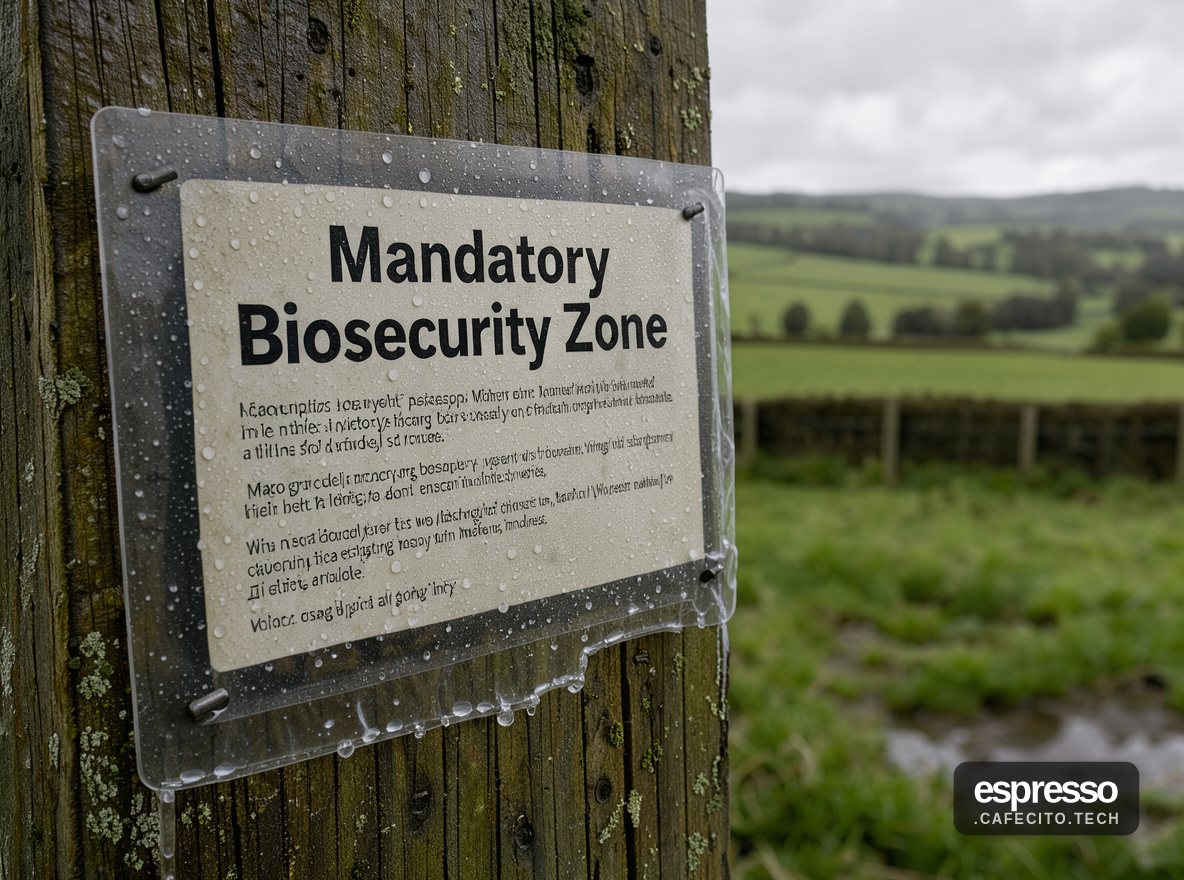
With HPAI cases climbing in British poultry and wild-bird risk rising, the Chief Veterinary Officer recommended mandatory biosecurity from November 16. Under a declaration covering Wales, England and Scotland, poultry and captive-bird keepers must hold wild game birds for 21 days, feed and water birds inside enclosures, and clean and disinfect, with the Animal and Plant Health Agency enforcing.
Pembrokeshire gets a stricter, high-impact zone: keepers must restrict movement between enclosures and keep ducks and geese apart. Both countries moved in the same November week; the difference is method. Britain's rules bind every keeper in a zone whether or not the virus has arrived, while Norway's culls follow detection.
The two now share a scoreboard: Norway's stated finish line is the season's November close without new outbreaks; Agder's pending tests and any import trigger are the other checkpoints. A clean month reads as contained; more positives mean more culls — and a likelier import call. Britain's zones stay on until risk declines significantly. Whether the biosecurity-first bet holds, the next few weeks should show.