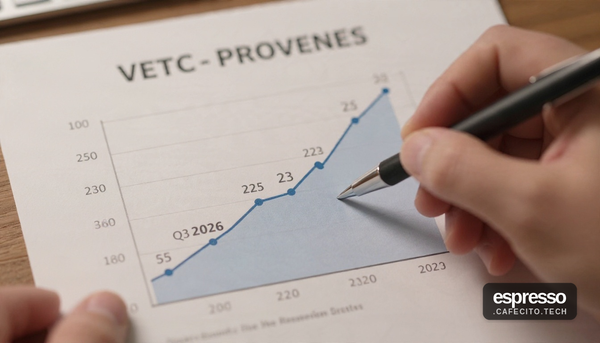
Model Projects 2060 U.S. Wildfire Losses; Some Claims Unverified
A model projects 2060 wildfire structural losses, and smoke hit Grand Rapids AQI 616 on July 16, 2026, while Colorado’s acreage and Aspen Acres Fire scope remain unverified in the supplied evidence.

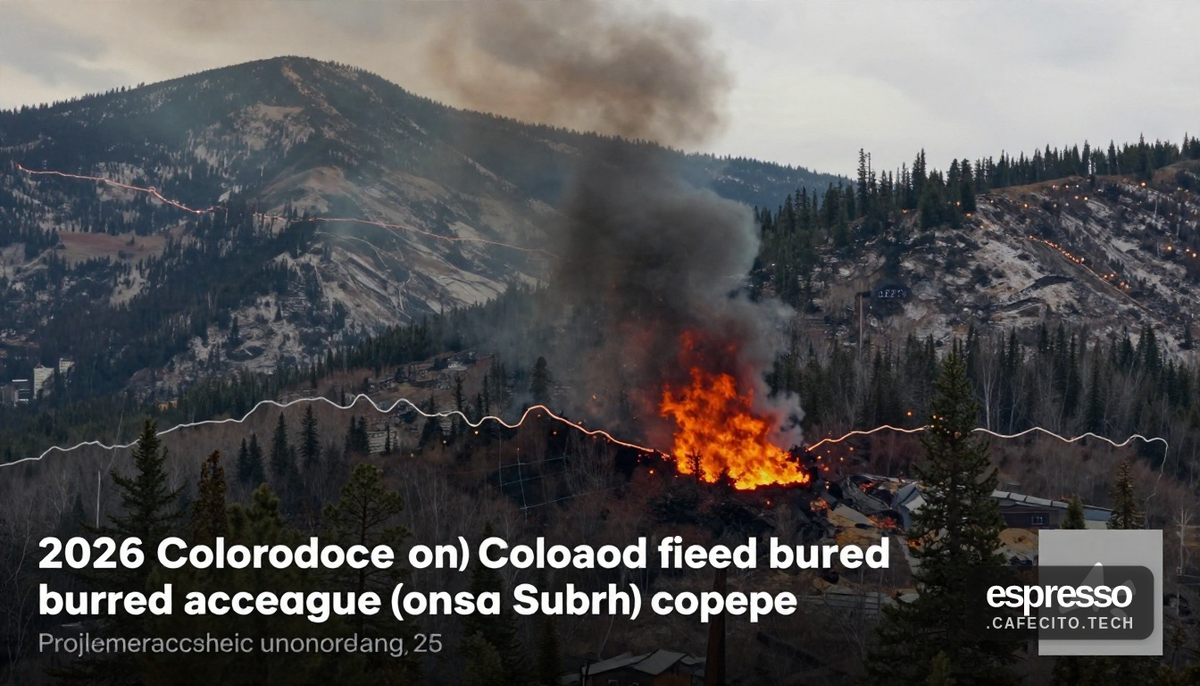
Colorado and the Pacific Northwest logged a severe 2026 fire season, and researchers published structural-loss forecasts for 2060, but several claims in earlier coverage exceed the supplied evidence. The Nature Communications model and The Conversation reporting support a conditional exposure projection; Colorado's acreage figures and the Aspen Acres Fire details require verification.
Mechanism and Drivers
The CU Boulder team, per Colorado.edu, identifies climate-driven fire risk, vegetation management gaps, building adaptability, and social vulnerability as drivers. The Conversation links rising temperatures to "nearly doubled" western forest burn area from 1984-2015 and "nearly quadrupled" annual western burn area since 2000. These are observed trends, not proven causal chains to specific losses.
Colorado's 2026 acreage remains unverified in the supplied evidence. The Aspen Acres Fire and "hundreds of structures destroyed in June" are not supported by any event record. The article cannot claim these without sourcing.
Public Health and Smoke
Wildfire smoke reaches record pollution levels: mid-July 2026 Ontario fires drove Grand Rapids, Michigan's AQI to 616 on July 16, per Livescience. That source cites 41,380 U.S. excess deaths from smoke (2011-2020) and projects 71,420 by 2050. These are modeled estimates.
The Washington Examiner reported Spokane's August 4 fires destroyed approximately 700 buildings and evacuated 67,000 residents per the Examiner. No supplied evidence quantifies air-quality exposure, respiratory outcomes, or health-system strain in Colorado or Spokane.
Insurance, Resilience, and What We Still Don’t Know
Insurers can offer 15–30% hurricane-coverage discounts for fortified homes, according to The Conversation. That evidence is specific to hurricanes, though, and does not tell us how wildfire risk is affecting insurance prices.
What we know: a Nature Communications model projects that, under business-as-usual conditions, as many as 449,100 buildings could be damaged or destroyed by 2060. Grand Rapids reached an AQI of 616 on July 16, 2026. Spokane’s August 4 fires affected roughly 700 buildings and forced 67,000 people to evacuate.
What remains uncertain: Colorado’s final 2026 acreage, the scope of the Aspen Acres Fire, wildfire-zone insurance pricing, the longer-term health effects in Colorado and Spokane, and whether fuel management or stronger building codes can meaningfully change future exposure.
A meaningful milestone would be a verified state or federal risk-reduction program by the end of 2027 that explicitly updates the model’s underlying assumptions.