Judge Called the H-2A Pay Cut Unlawful — $16.90 Still Stands
California's $19.75 farmworker wage floor starts January 1, while the federal H-2A rate stays at $16.90 despite a judge calling the cut unlawful. A replacement formula is due December 30, and growers are bracing for possible backpay.

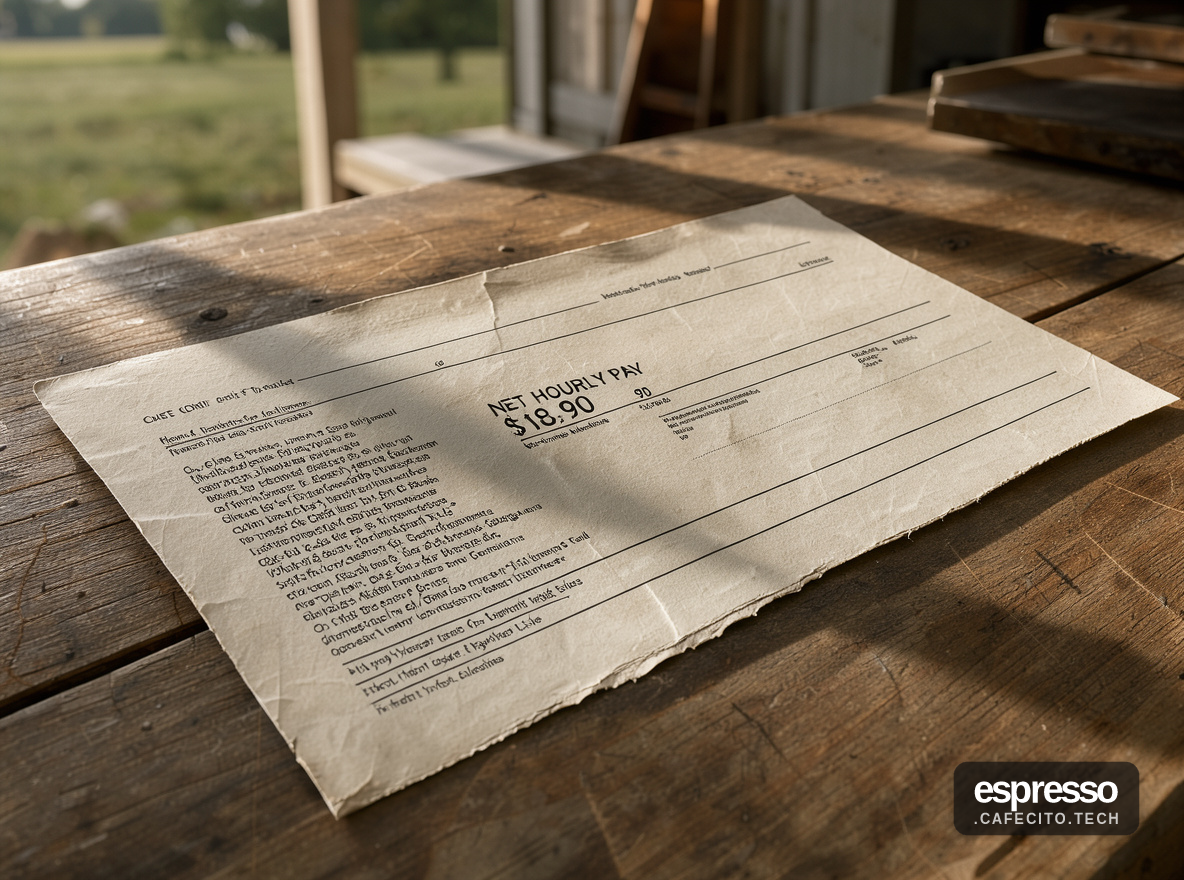
California just handed farmworkers a raise the feds wouldn't: Governor Newsom signed AB 2646, a $19.75 wage floor taking effect January 1. Meanwhile the federal floor for H-2A guestworkers — foreign agricultural workers US farms hire for up to ten months — sits at $16.90, down from $19.97, and more than 400,000 workers are living with it.
Here's the juicy part: a federal judge already called that pay cut unlawful. But striking the method didn't strike the number — the August ruling left the lower rate in place while the Labor Department redrafts its formula, with a replacement due December 30.
So how does a rejected pay cut keep landing?
Because the ruling killed the recipe, not the dish. The floor is the adverse effect wage rate — the guardrail meant to stop guestworker pay from undercutting US farmworkers' wages. Striking the formula didn't strike the number it produced, so $16.90 stays until the Labor Department writes a lawful replacement.
Judge Kirk Sherriff found the department borrowed a 17th percentile wage figure from the H-1B skilled-worker program, added a housing deduction, and skipped public comment without good cause — three of four components struck as arbitrary and capricious. The struck pieces covered pay rules affecting roughly 92% of H-2A workers. And the stakes? Growers face a possible $2.4 billion backpay bill against the $2.46 billion a year the rule was meant to save them.
- Jan 2025 — the Trump administration's rule, with its housing-cost adjustment, drops the federal floor; California's falls from $19.97 to $16.90.
- Aug 2026 — Judge Sherriff rules the methodology unlawful; the lower rate stays.
- Dec 30, 2026 — deadline for a replacement methodology.
- Jan 1, 2027 — California's $19.75 floor takes effect, with annual cost-of-living adjustments.
Where the cut bites
The hourly math stings. Farmworker advocates put the cut at $3 to $7 an hour, and California's floor fell about 15%. Growers aren't celebrating either — they warn they could owe back wages if the replacement rate climbs.
South Texas tells the shortage side: one grower expanded H-2A hiring by over 40%, yet the Texas International Produce Association says even jobs above $16 an hour go unfilled — longtime workers are aging out and younger ones pick construction.
The old floor mattered. Federal investigations in Washington state found wage theft and unreimbursed expenses in 84% of the cases examined, and a 2024 grand jury indicted contractor Harvest Plus on 51 counts over roughly 500 workers allegedly held in unapproved domestic labor, extreme heat without clean water, and housing with no kitchens.
California's answer — and what tips it next
Newsom signed Assemblymember Maggy Krell's bill on September 30: $19.75 covering H-2A visa workers and Californians in similar jobs, with annual cost-of-living raises from January. Trade associations oppose it — they argue farmers can't pass cost increases to consumers — and some say it won't lift most farmworkers' pay anyway.
California's job market adds a wrinkle. July 2026 figures put U-6 underemployment — the broad count including part-timers who want full-time work — at 10.3%, the nation's highest, with agriculture among the sectors shedding jobs. October added 47,100 jobs and eased unemployment to 5%, but the gains leaned on AI-heavy pockets.
So which way does it tip? If the replacement lands by December 30 and survives review, the federal floor could climb back — growers' backpay warnings suggest they're bracing for it. If Congress expands H-2A to year-round dairy first, organizers like Alianza Agrícola's Jiménez fear the cut hardens into the new normal. Until then, the paycheck still says $16.90, and California's $19.75 stays the exception.