EU’s Agreed 22-Week Benefit Plan Awaits Publication to Take Effect
Spain recorded more Social Security affiliations and more registered unemployed in October, but those measures don't identify the same people. An EU agreement would shift responsibility for some cross-border claims after 22 weeks of work, though publication is still pending.

Spain added 186,612 Social Security affiliations in October, while registered unemployment rose by 43,128. Separately, an EU agreement would assign some cross-border unemployment claims to the country where a person worked for at least 22 uninterrupted weeks. The agreement could change which government handles a claim, but it wasn’t yet in force—and it doesn’t explain Spain’s October figures.
The useful distinction is between a change in benefit responsibility and a change in employment status. One concerns which country processes an eligible claim; the other two numbers count affiliations and people registered as unemployed. They can move at the same time without showing that the same workers are involved.
The 22-week rule changes which country is responsible
Under the EU agreement, the country where someone worked, was self-employed or was covered by social insurance for at least 22 continuous weeks would become responsible for unemployment benefits, rather than the country where the person lives. The claimant would still have to meet that country’s national eligibility rules. euroweeklynews.com also says the agreement would let people export benefits while looking for work abroad for up to six months, extending the period from three.
That could make responsibility easier to assign when a worker has crossed a border: a qualifying work record points to the country expected to pay. But the 22 weeks aren’t a promise of payment. Eligibility rules still apply, and the supplied account doesn’t spell out how officials would handle every case involving work in several countries or a complicated insurance history.
Spain could, for example, become responsible for someone who lives there but worked elsewhere in the EU. That’s a possible effect of the agreement, not evidence that Spain has already taken on new claims. The arrangement also doesn’t rewrite Spain’s domestic unemployment rules, according to the same account.
October’s two counts describe different things
Social Security affiliations rose by 186,612 in October to 22,624,165, with foreign workers accounting for 63,899 of the increase, elpais.com. An affiliation is a registration in the Social Security system, not a count of people newly hired that month. Registered unemployment, meanwhile, counts people on the unemployment register. The two measures answer different questions, so rising affiliations don’t rule out a simultaneous increase in registered jobseekers.
El País put October’s unemployment increase at 43,128. www.eldiario.es gives 43,100, a rounded version of the same figure. Neither number says how many people qualified for benefits, received them, or had a work record spanning EU countries. Nor do the totals show that foreign workers caused the increase: they don’t identify the people behind both counts or explain why each person registered.
The change is agreed, but not yet operative
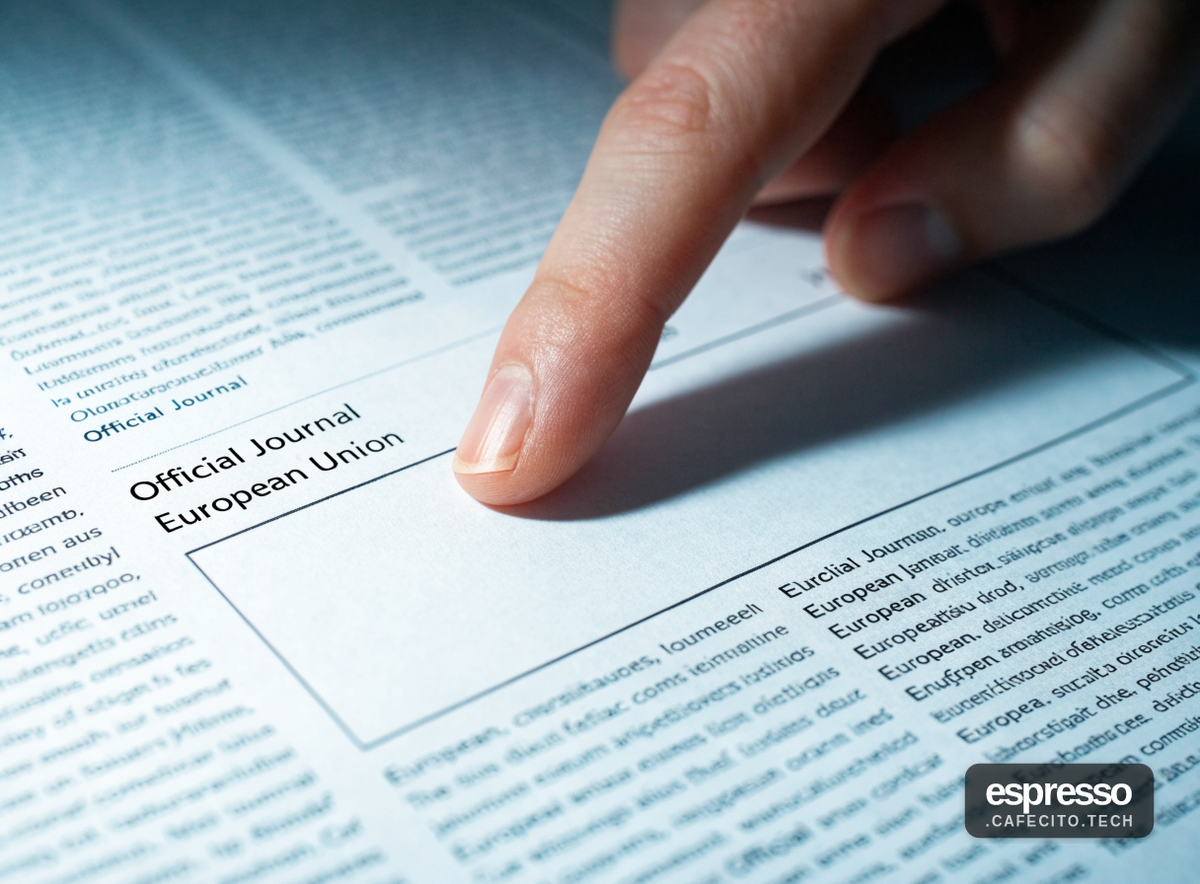
The EU agreement still needs publication in the Official Journal before it enters into force. That formal step is the immediate condition for the 22-week allocation rule and longer export period to take effect; until then, they describe a future change, not a system governing October claims.
If publication follows, the next practical test will be how national authorities apply the work-history test alongside their own eligibility rules. The agreement sets out who should bear responsibility, but the supplied account doesn’t show whether that will make payments faster or resolve difficult cross-border cases. Spain’s October employment figures can’t answer that question.