COP17 pledges miss biodiversity financing formula
COP17 in Yerevan wrapped with over $1.8 billion in reported pledges, but the core question of who pays for biodiversity lost no ground. The financing formula and subsidy reform both stayed unresolved, and the 2030 target window is roughly four years out.
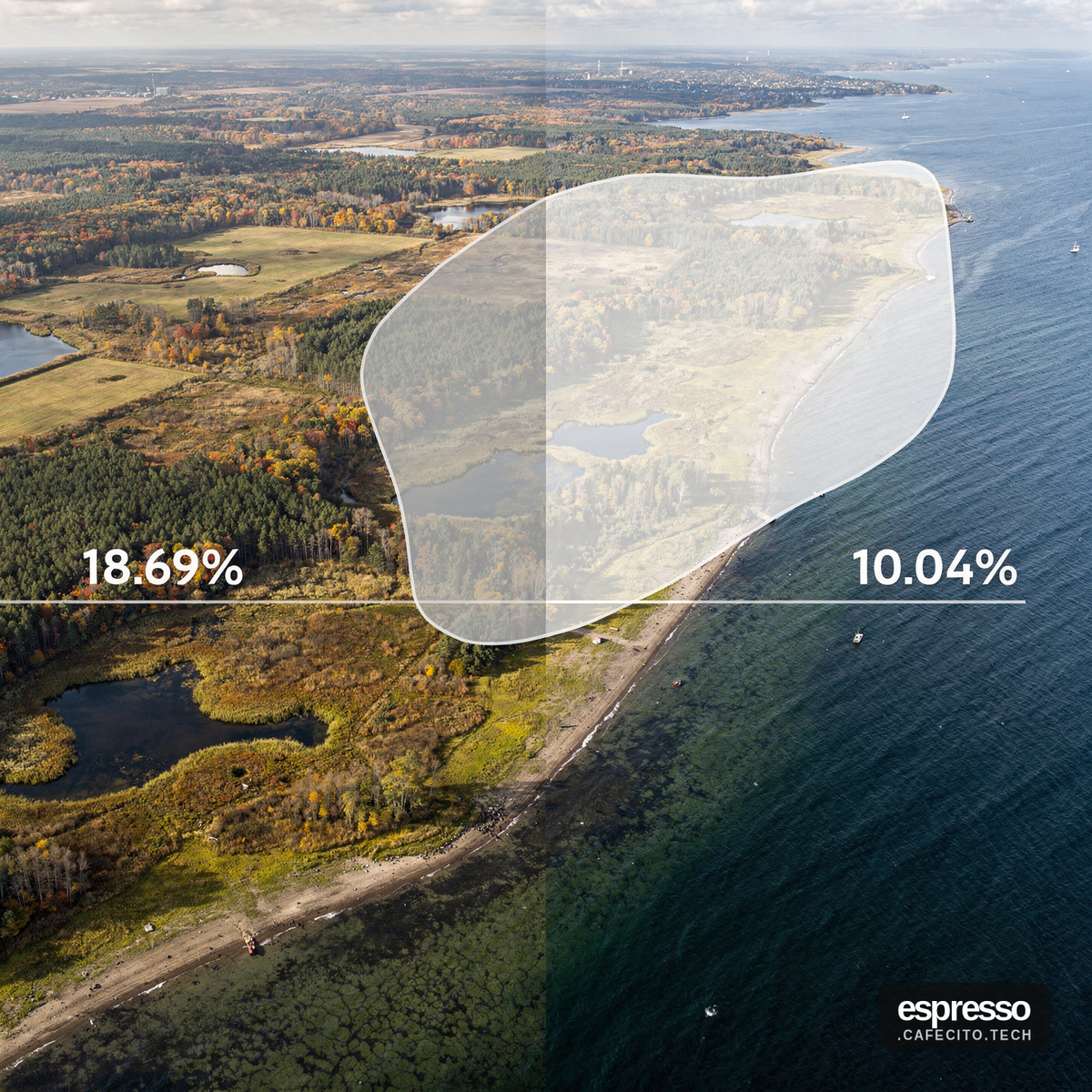
The UN biodiversity conference (COP17) in Yerevan ended its final ministerial talks Oct. 28 with 140 ministers and deputy ministers at the table, fresh funding pledges worth hundreds of millions of dollars, and a reported total mobilization of more than $1.8 billion from governments, philanthropy, and investors (Protected Planet). Yet the core financing formula—whether donor obligations trace to historical emissions, current capacity, or a mixed standard—remains unsettled. Malaysia cited a $5 billion annual need; Chad targeted $30 billion.
The analytical finding is that the money problem is structural, not a single policy miss. Fresh pledges do not substitute for a binding architecture; the gap between what nations pledged and what the Kunming-Montreal Global Biodiversity Framework's 2030 targets require is still open.
Pledges versus a binding formula
UNEP Executive Director Inger Andersen framed biodiversity as an economic issue during the Oct. 27–28 High-Level Segment, where roughly 1,500 participants gathered. Fresh pledges announced Monday on Oct. 28 pushed total reported mobilization past $1.8 billion, but that figure is a stock of committed funds, not a flow of annual disbursement matched to national needs. Harmful agricultural subsidies, flagged by the State of Biodiversity Action report as a driver of habitat loss, remain in active debate with no phase-out schedule.
What the protected-area numbers actually show
The State of Biodiversity Action report measured current coverage at 18.69% of land and inland waters and 10.04% of marine and coastal areas as of October 2026. Target 3 of the 2022 framework—"30 by 30"—requires 30% by 2030. That is a measured gap, not a forecast: the 2030 deadline is still roughly four years out, and the report attributes the shortfall to a combination of weak ambition and uneven delivery.
- 2026-10-27–28: COP17 High-Level Segment; ~1,500 participants; fresh pledges totaling >$1.8 billion reported
- 2026-10-29: For Nature / Campaign for Nature "State of Play" report documents the COP18 host-bid contest
- 2026-11-01: Reporting indicates Ecuador selected as COP18 host for 2028, with Juan Carlos Navarro and Hambardzum Matevosyan identified in connection with the decision
What remains open as of Nov. 2
A new permanent body on Indigenous peoples and local communities (Article 8(j)) was still under negotiation, with references to national legislation—the mechanism that would make the provision enforceable—unresolved. The Ecuador selection was reported as conditional on progress on funding, subsidy reform, and Article 8(j) enforceability. The 2030-target window remains roughly four years out, and if the subsidy-reform and financing-architecture disputes are not closed, the State of Biodiversity Action report's outlook flags significant implementation delays.


Comments ()