Comey Espionage Act case hinges on filing method, not evidence
Comey's Espionage Act case may turn on whether a prosecutor-filed criminal information can toll the ten-year limitations period, a contested question with no ruling yet. Separately, Judge Furman found his daughter Maurene's July 2025 firing unlawful; that relief is individual.
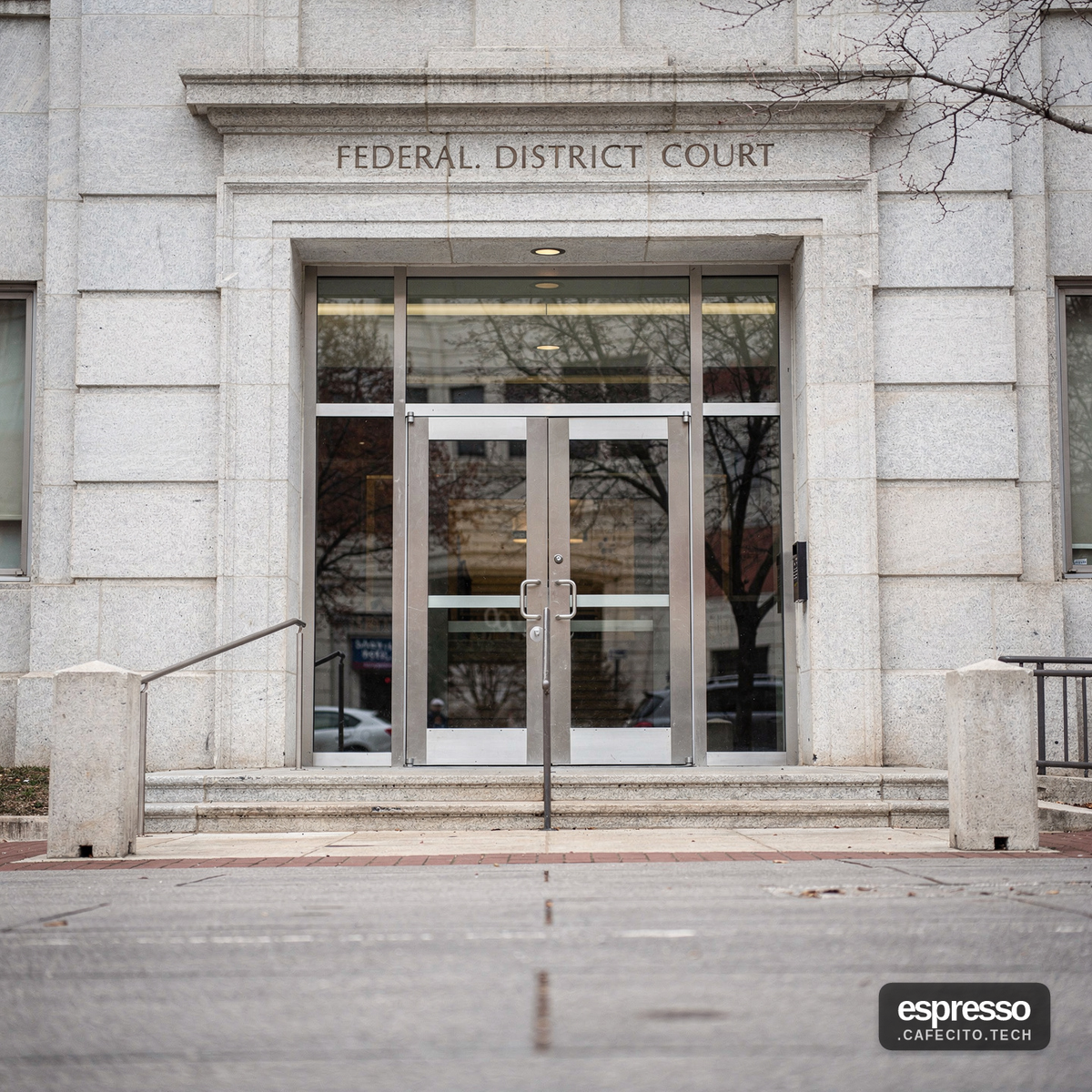
The Justice Department filed a two-count Espionage Act criminal information against former FBI Director James Comey in the U.S. District Court for the District of Columbia, alleging he directed an unnamed person to give national defense information to a national news reporter on October 5, 2016. The case's survival currently rests on procedure rather than the underlying allegation.
The operative dispute is whether a criminal information — a charging document filed by prosecutors, not returned by a grand jury — can satisfy or toll the Espionage Act's ten-year statute of limitations. Comey's lawyers, led by Patrick Fitzgerald, are moving to dismiss on that ground. The DOJ counters that information-based tolling is a practice recognized in federal courts. Jack Goldsmith, as reported, argues only a grand jury indictment starts the clock. That is a contested legal interpretation, and no ruling on it appears in the supplied material.
What the two dockets actually cover
The criminal docket concerns James Comey individually and the 2016 disclosure allegation. A separate docket concerns his daughter, Maurene Comey, formerly a federal prosecutor, and her July 2025 dismissal.
On October 26, 2026, U.S. District Judge Jesse Furman ruled that dismissal unlawful, finding it violated the Civil Service Reform Act and separation-of-powers limits and that the government relied on Article II removal authority as its sole justification. The 55-page decision found the firing lacked cause, advance notice, or opportunity to contest.
Supplied accounts differ on the remedy's specificity: one describes retroactive reinstatement with back pay covering July 16, 2025 to December 20, 2025, while a second says backpay determination is pending and the file was changed to indicate resignation. The DOJ may appeal, and the administration was described as likely to appeal; whether an appeal has been filed is not established in the supplied material. Relief here is individual. It does not suspend any rule or resolve the criminal tolling question.
- October 5, 2016 — alleged disclosure; a New York Times article on a secret surveillance order involving Yahoo email scanning was later cited.
- December 2018 — Special Counsel John Durham investigation; closed without charges against Comey.
- July 2025 — Maurene Comey dismissed.
- September 2025 — false statements to Congress and obstruction charge; later dismissed.
- April 2026 — separate North Carolina indictment over an Instagram post read as threatening.
- October 26, 2026 — Furman reinstatement ruling; Espionage Act information unsealed.
The earlier matters ended without conviction: one dismissed over an illegal prosecutor appointment, another closed without charges. Those outcomes do not establish what the current court will do. Assertions by Comey's defense and commentators — that three charges in under a year strain confidence in DOJ impartiality, or that filing timing tracks midterms — are characterizations in the supplied accounts, not adjudicated findings. The Maurene Comey dismissal was also tied in reporting to her prior involvement in prosecutions of Jeffrey Epstein, Ghislaine Maxwell, and Sean "Diddy" Combs; that link is attributed, not established here.
The milestone to watch
The observable near-term event in the criminal docket is judicial resolution of the dismissal motion and the limitations argument. If the court holds a criminal information cannot toll the ten-year period, the case ends on timing. If it accepts the DOJ's position, the Espionage Act counts proceed on their merits. Comey has stated publicly, through his lawyer and in his own words as reported, that he is innocent; no indictment was returned, and the immediate effect is procedural exposure rather than custody. The Furman appeal is the other open path, and its outcome would not, on the supplied evidence, determine the criminal case.



Comments ()