Alberta Votes to Stay but Tightens Immigration Rules, Leaving Separatists With Little Leverage
Albertans voted 75% to remain in Canada while also approving several immigration and voting rules, leaving separatist leaders with little leverage and the federal government treating the vote as a domestic policy cue.

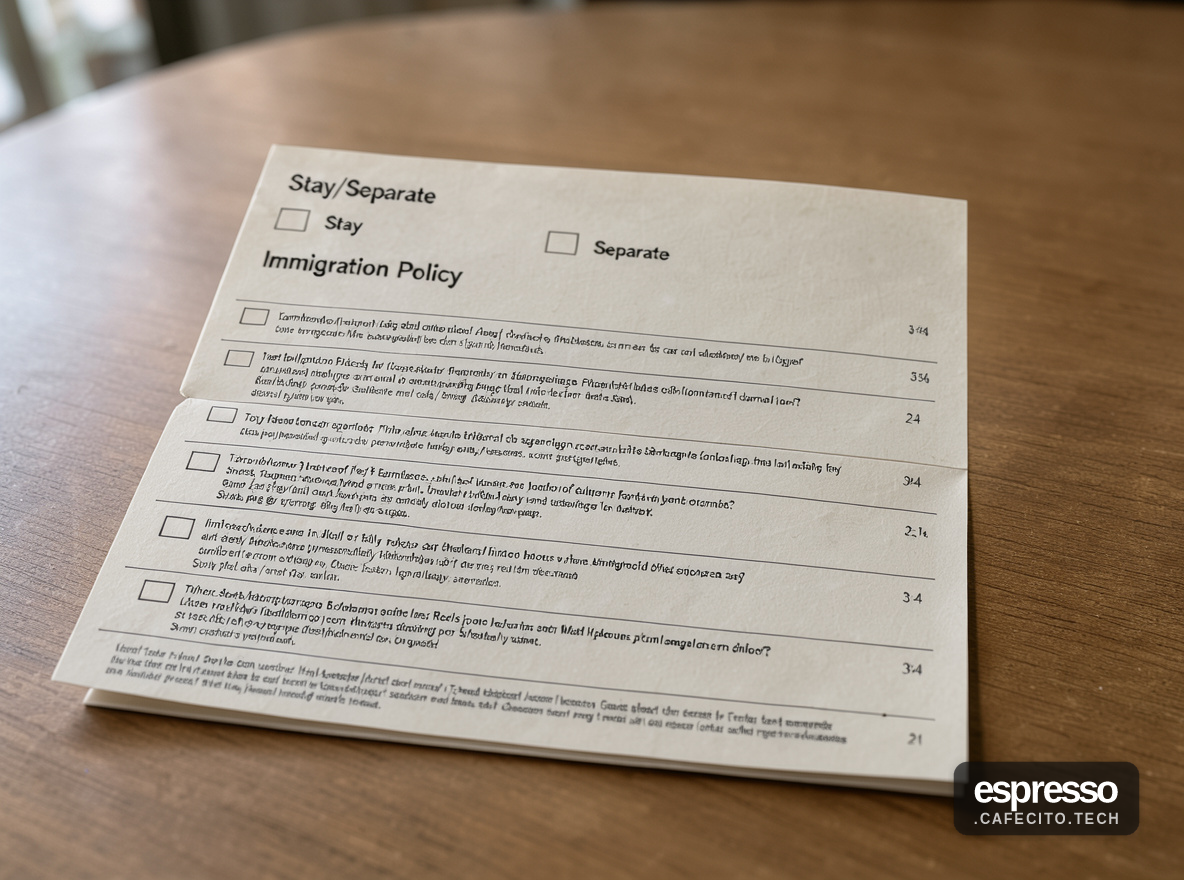
Alberta’s Oct. 19 ballot mixed a “stay or separate” question with nine policy items on immigration and civic rules. The result is a mixed signal: a majority of voters chose to remain in Canada, but they also approved several measures that tighten residency and voting requirements. Separatist leaders and some MLAs say the result gives them little practical leverage, while the federal government under Prime Minister Mark Carney is likely to treat the vote as a domestic policy cue rather than a mandate for constitutional change.
The referendum’s structure let Albertans weigh a direct “stay or separate” question against a suite of immigration‑related sub‑questions. Early tallies showed roughly three‑quarters of ballots supporting remaining in Canada, while roughly one‑quarter backed a path toward a second, binding separation referendum. The other nine questions—covering residency thresholds for social benefits, fees for non‑citizens seeking healthcare or education, and a proposal to require proof of Canadian citizenship to vote—were mixed. Five immigration‑related items passed, but four constitutional proposals failed.
Mechanics of the mixed outcome
Separate sub‑questions on immigration control, program eligibility, residency periods, healthcare and education fees for non‑citizens, and citizenship verification for voting saw varied support. Calgary and Edmonton voted heavily against the separation question, while rural ridings were more supportive, underscoring a persistent urban‑rural split. The referendum itself is nonbinding, and the province spent about $4 million on an advertising campaign encouraging a “yes” vote.
What the result actually changes
On immigration, the passing of the related sub‑questions gives the province a practical pathway to tighten rules. Premier Danielle Smith has signaled she will “proceed with caution” on legislation that could restrict non‑permanent residents’ access to some government services and impose fees or residency requirements. Critics argue such measures could increase administrative burdens for employers, slow hiring, and leave temporary workers more vulnerable. The citizenship‑proof‑to‑vote measure means future ballots would likely require a driver’s license with a citizenship symbol or a passport, a change that could affect turnout among non‑citizens.
On constitutional authority, the outcome is more complicated. Several sub‑questions on Senate abolition, provincial‑law priority, and federal‑program opt‑outs saw majority “yes” support, but the referendum’s structure means Smith cannot claim a sweeping mandate to renegotiate the federation.
Outlook and constraints
Separatist leaders, including Jeffrey Rath, have signaled they will continue to push for greater provincial leverage, but their electoral base is now concentrated in a minority of ridings and appears split between those seeking a new deal and those pursuing full independence. The UCP faces internal strain; some MLAs have already announced they will not seek re‑election, and the party’s base remains divided between federalists and separatists.
Business groups have warned that immigration restrictions could raise administrative burdens and slow economic growth, even as many voters prioritize cost‑of‑living issues. The federal government, under Prime Minister Carney, has welcomed the unity result but is likely to resist any unilateral moves by Alberta that could set precedents for other provinces. Until the final certified results are released on Oct. 29, the exact composition of the 10‑question tally could shift, but the overall picture is already clear: Albertans have endorsed tighter immigration controls while broadly rejecting a break from Canada.